Eco-Friendly Stone Quarry Crushing Plant Producers: Pioneering Sustainable Mineral Extraction
The global construction and infrastructure sectors remain fundamentally dependent on crushed stone, sand, and gravel—aggregates that form the literal bedrock of modern development. However, traditional quarrying and crushing operations have long been associated with significant environmental impacts: pervasive dust emissions, high energy consumption, noise pollution, habitat degradation, and substantial carbon footprints. In response to tightening environmental regulations, heightened societal awareness, and the intrinsic economic benefits of efficiency, a transformative movement is underway. A new generation of eco-friendly stone quarry crushing plant producers is redefining industry standards by integrating advanced technologies and holistic sustainability principles into the very heart of mineral processing.
The Imperative for Change: Environmental and Regulatory Drivers
The push toward eco-friendly crushing solutions is not merely a trend but a strategic necessity. Key drivers include:
- Regulatory Pressure: Governments worldwide are implementing stricter limits on particulate matter (PM10, PM2.5), noise levels, and water discharge. Permitting for new quarries or expansions now almost universally requires comprehensive environmental impact assessments and mitigation plans.
- Corporate Social Responsibility (CSR) & Social License to Operate: Communities are increasingly resistant to disruptive industrial operations. Producers must demonstrate tangible environmental stewardship to gain and maintain community acceptance.
- Economic Efficiency: Sustainability directly correlates with operational efficiency. Reducing energy use lowers fuel or electricity costs; minimizing waste increases yield; and dust suppression reduces material loss and equipment wear.
- Market Demand: Green building certifications like LEED (Leadership in Energy and Environmental Design) and BREEAM award points for using aggregates from responsibly managed sources, creating a premium market for eco-friendly producers.
Core Strategies of Eco-Friendly Crushing Plant Producers
Leading producers in this space differentiate themselves through a multi-faceted approach that encompasses plant design, technology selection, process optimization, and site rehabilitation.
1. Advanced Crushing Circuit Design & Technology:
The core of eco-efficiency lies in the crushing plant itself. Modern producers focus on:
- Electric & Hybrid Drives: Transitioning from diesel-powered units to grid-connected electric crushers and conveyors significantly reduces onsite exhaust emissions and carbon footprint, especially when paired with renewable energy sources.
- High-Efficiency Crushers: Utilizing modern cone crushers, impact crushers, and jaw crushers with improved kinematics and hydraulic systems ensures better particle shape with less recirculating load and lower energy consumption per ton of final product.
- Automation & Process Control: Sophisticated PLC (Programmable Logic Controller) systems optimize the entire crushing circuit in real-time. Sensors monitor parameters like crusher load, power draw, and product size, automatically adjusting feed rates and settings to maximize efficiency and consistency while preventing bottlenecks that waste energy.
- Mobile vs. Stationary Solutions: While stationary plants offer stability for large-scale long-term deposits, advanced mobile crushing plants reduce the need for truck haulage between faces within the quarry pit. This “in-pit crushing and conveying” (IPCC) system drastically cuts diesel consumption from haul trucks.
2. Comprehensive Dust Suppression & Control:
Dust is the most visible environmental challenge. Eco-friendly producers deploy a layered defense:
- At-Source Suppression: Using fine misting sprays or foam systems at primary dump hoppers, crusher feeds, discharge points, conveyor transfers.
- Enclosure & Local Exhaust Ventilation: Sealing transfer points housing screens conveyors fitted with baghouse filters or cartridge collectors capture fugitive dust before it escapes.
- Chemical Dust Suppressants: Applying biodegradable binders on haul roads stockpiles.
- Real-Time Air Quality Monitoring: Installing perimeter monitors provides data transparency allows proactive response to changing conditions.
3. Noise Abatement Measures:
Noise pollution affects both wildlife nearby residents.
- Acoustic Enclosures & Covers: Encasing primary secondary crushers screens insulated panels dampens high-decibel noise generation source
- Strategic Plant Layout Buffer Zones: Positioning noisiest equipment away from sensitive boundaries using natural topography artificial berms barriers
- Low-Noise Equipment Electric Motors Selecting machinery designed quieter operation inherently less disruptive than older diesel-driven models
4 Water Management Recycling Systems
Responsible water use critical particularly arid regions
- Closed-Loop Water Circuits Implementing sedimentation ponds clarifiers allow nearly 100% recycling process water used washing dust suppression minimizing freshwater extraction discharge environment
- Rainwater Harvesting Collecting runoff site roofs used supplement process needs further reducing resource strain
5 Energy Efficiency Renewable Integration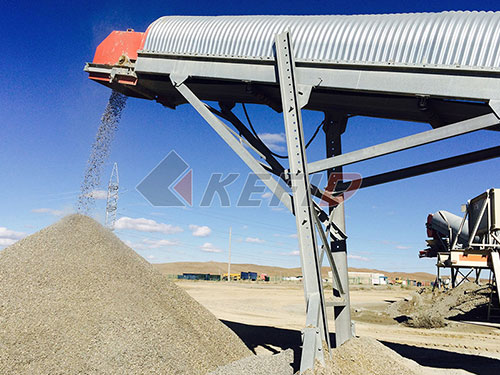
- High-Efficiency Motors Drives Variable frequency drives VFDs match motor speed exact load requirement saving substantial energy compared fixed-speed operation
- LED Lighting Motion Sensors Reducing base load power consumption non-processing hours
- On-Site Renewables Progressive producers investing solar photovoltaic arrays wind turbines power ancillary facilities even portions main crushing plant moving towards net-zero operations
6 Holistic Site Management Biodiversity Enhancement
Eco-friendly philosophy extends beyond plant quarry boundaries includes
- Phased Rehabilitation Concurrently restoring exhausted sections quarry native vegetation creating habitats rather waiting end mine life
- Biodiversity Action Plans Working ecologists introduce specific flora fauna promote ecological connectivity
- Circular Economy Initiatives Repurposing overburden inert waste by-products construction fill landscaping reducing need virgin materials elsewhere
Leading Producers Setting the Benchmark
Several manufacturers engineering firms stand forefront this movement Notable examples include:
- Metso Outotec Finland Now Metso Corporation: A global leader offering “Track Mounted” “Stationary” plants designed low emissions high fuel efficiency Their Lokotrack mobile plants feature electric drive options advanced automation systems like IC™ process control system optimize performance
- Sandvik Mining Rock Technology Sweden: Emphasizes “Sustainable Productivity” offering hybrid mobile crushers can connect external electric power reducing runtime noise Their AutoMine® Automine® solutions enable remote operation reducing personnel onsite footprint
- Terex MPS USA: Focuses robust efficient designs incorporating Cedarapids MVP series cone crushers known high output low per-ton operating costs integrated dust suppression features across product line
- Kleemann GmbH Germany Part Wirtgen Group John Deere: Renowned innovative continuous feed system ICRC interlinked crushing technology maximizes material flow minimizes idle time energy waste Their EVO2 series emphasizes fuel efficiency reduced emissions without compromising performance
These companies not only manufacture equipment but act as partners providing lifecycle services—digital monitoring performance optimization—to ensure plants operate peak environmental economic efficiency throughout their lifespan
Challenges Future Outlook
Despite clear progress challenges remain Higher upfront capital costs advanced technologies can barrier entry smaller operators requiring demonstration strong return investment through operational savings longevity Furthermore sourcing reliable green electricity remote quarry locations remains logistical hurdle However trajectory unmistakable driven following trends:
1 Digitalization IoT Internet Things Increasing use AI artificial intelligence machine learning predictive maintenance further optimize circuits anticipate failures prevent wasteful downtime Digital twins virtual replicas physical plants allow simulation testing eco-optimized scenarios without disrupting production
2 Alternative Fuels Hydrogen Development dual-fuel capable machinery eventually fully hydrogen-powered crushing units eliminate carbon emissions point use
3 Circular Integration Future quarries may evolve “material hubs” not only extract virgin aggregate also recycle construction demolition waste C&D using same mobile fixed plants creating closed-loop local material economies
Conclusion
Eco-friendly stone quarry crushing plant producers are no longer niche players; they are becoming industry standard-bearers They demonstrate that mineral extraction essential modern society can conducted responsibly harmoniously with environment Through intelligent design sophisticated technology comprehensive site management these pioneers transforming image quarrying from one exploitation one regeneration By prioritizing sustainability these producers securing their own long-term viability while providing essential materials needed build sustainable world themselves Their ongoing innovation crucial balancing undeniable need resources imperative protect planet future generations
