Eco-Friendly Stone Quarry Crushing Plant: Sustainable Solutions for Modern Aggregate Production
Introduction
The global demand for construction aggregates—crushed stone, sand, and gravel—continues to rise, driven by urbanization, infrastructure development, and industrial growth. However, traditional stone quarrying and crushing operations have long been associated with significant environmental challenges: dust emissions, noise pollution, water consumption, energy inefficiency, and habitat disruption. In response, the industry is undergoing a paradigm shift toward eco-friendly crushing plants that integrate advanced technology, sustainable practices, and regulatory compliance. This article provides a comprehensive, objective examination of the design, operation, and benefits of eco-friendly stone quarry crushing plants, offering a detailed guide for stakeholders seeking to minimize environmental impact while maintaining productivity and profitability.
1. The Environmental Imperative in Quarrying
Stone quarrying is inherently extractive, but modern operations can mitigate adverse effects through careful planning and technology adoption. Key environmental concerns include:
- Air Quality: Dust from drilling, blasting, crushing, and screening contains respirable crystalline silica (RCS) and particulate matter (PM10, PM2.5), posing health risks to workers and nearby communities.
- Noise Pollution: Heavy machinery, crushers, and conveyors generate noise levels exceeding 85 dB, affecting wildlife and human settlements.
- Water Usage: Washing aggregates and suppressing dust consume large volumes of water, often sourced from local aquifers.
- Energy Consumption: Crushing is energy-intensive, with diesel-powered equipment contributing to greenhouse gas emissions.
- Land Degradation: Open-pit mining alters landscapes, disrupts ecosystems, and generates waste rock.
Eco-friendly crushing plants address these issues through a holistic approach that integrates emission controls, water recycling, renewable energy, and biodiversity management.
2. Core Components of an Eco-Friendly Crushing Plant
An eco-friendly stone quarry crushing plant is not a single machine but a system of interconnected technologies and processes. The following sections detail the critical components.
2.1 Dust Suppression and Air Filtration Systems
Dust control is the most visible aspect of eco-friendly operations. Modern plants employ multiple strategies:
- Water Spray Systems: High-pressure misting nozzles at crusher inlets, transfer points, and stockpiles capture fugitive dust. Advanced systems use atomized water droplets (10–50 microns) that bind to particles without saturating the material.
- Baghouse Filters: For dry crushing, fabric filter baghouses capture fine particulates with efficiency exceeding 99.9%. These systems are mandatory in many jurisdictions for plants processing over 150 tons per hour.
- Enclosed Conveyors: Covered belt conveyors prevent windblown dust during material transport. Some designs incorporate negative pressure ventilation to extract dust at transfer points.
- Foam Suppression: Chemical foaming agents (e.g., surfactants) are injected into crushers to agglomerate dust particles, reducing airborne emissions by up to 90%.
2.2 Noise Reduction Engineering
Noise mitigation is achieved through both equipment design and plant layout:
- Acoustic Enclosures: Crushers, screens, and mills are housed in sound-absorbing structures lined with mineral wool or perforated metal panels. These enclosures reduce noise by 15–25 dB(A).
- Vibration Dampening: Rubber-lined chutes, elastomeric crusher mounts, and isolated foundations minimize structural vibration transmission.
- Low-Noise Equipment: Modern cone crushers and impactors are designed with optimized rotor geometries and hydraulic drives that operate at lower decibel levels than older models.
- Buffer Zones: Strategic placement of stockpiles, berms, and vegetation creates natural sound barriers between the plant and sensitive receptors.
2.3 Water Management and Recycling
Water conservation is critical in arid regions and where discharge regulations are strict. Eco-friendly plants incorporate closed-loop water systems:
- Settling Ponds and Clarifiers: Process water from aggregate washing is directed to settling basins where suspended solids (silt, clay) settle out. Clarifiers with flocculants accelerate sedimentation, achieving effluent clarity suitable for reuse.
- Filter Presses: For fine sludge dewatering, filter presses produce a dry cake (20–25% moisture) that can be used for landfill cover or brick manufacturing. The recovered water is returned to the system.
- Rainwater Harvesting: Runoff from impervious surfaces (roads, stockpile areas) is collected in lined ponds and used for dust suppression, reducing reliance on groundwater.
- Dry Processing Alternatives: In water-scarce regions, air classifiers and vibrating screens can replace wet washing for certain aggregate specifications, eliminating water use entirely.
2.4 Energy Efficiency and Renewable Integration
Crushing plants are among the largest industrial energy consumers. Eco-friendly designs prioritize efficiency and alternative power sources:
- High-Efficiency Motors: IE4 and IE5 class electric motors (super-premium efficiency) reduce energy losses by 20–30% compared to standard models. Variable frequency drives (VFDs) optimize motor speed to match load, saving additional energy.
- Hybrid and Electric Drives: Mobile crushing plants increasingly use diesel-electric hybrid systems, where a diesel engine drives a generator that powers electric motors. This allows the engine to run at optimal RPM, reducing fuel consumption by 15–25%. Fully electric plants, powered by grid electricity or on-site solar/wind, eliminate direct emissions.
- Solar PV and Wind Turbines: Large quarry sites can host ground-mounted solar arrays or small wind turbines to offset grid electricity. Battery storage systems (e.g., lithium-ion or flow batteries) enable load shifting and backup power.
- Energy Recovery: Some advanced plants use regenerative braking on conveyor systems or capture waste heat from crusher motors for space heating or drying.
2.5 Waste Minimization and Circular Economy
Eco-friendly plants treat waste as a resource:
- Recycling of Fines: Crusher dust (0–5 mm) is often considered waste but can be used in concrete blocks, road base, or as a soil amendment after stabilization.
- Overburden Management: Topsoil and subsoil are stripped separately and stockpiled for later rehabilitation. Waste rock is crushed for use as riprap, gabion fill, or aggregate for low-strength applications.
- Recycling of Construction Demolition Waste: Many eco-friendly plants accept concrete, asphalt, and masonry waste from demolition projects, processing them into recycled aggregates. This reduces the need for virgin stone and diverts material from landfills.
- Closed-Loop Water Systems: As noted, water recycling eliminates discharge and reduces freshwater withdrawal.
3. Operational Best Practices for Sustainability
Beyond hardware, operational protocols are essential for achieving eco-friendly performance.
3.1 Blasting Optimization
Controlled blasting techniques minimize flyrock, ground vibration, and dust:
- Electronic Detonators: Precise timing reduces overbreak and fragmentation, improving crusher efficiency and reducing fines generation.
- Air Decking: Air gaps in blast holes reduce explosive use and vibration while improving rock breakage.
- Water Infusion: Pre-wetting blast holes suppresses dust during detonation.
3.2 Real-Time Monitoring and Automation
Digital technologies enable continuous environmental management:
- Dust Monitoring: Optical particle counters (e.g., TSI DustTrak) provide real-time PM10 and PM2.5 data, triggering automatic spray activation when thresholds are exceeded.
- Noise Monitoring: Sound level meters with GPS logging identify hotspots and verify compliance with local noise ordinances.
- Energy Management Systems (EMS): SCADA platforms track power consumption per ton of production, identifying inefficiencies and enabling predictive maintenance.
- Autonomous Haulage: Driverless trucks reduce fuel consumption by 10–15% through optimized routing and consistent speed.
3.3 Biodiversity and Rehabilitation
Eco-friendly plants integrate quarry restoration from day one:
- Progressive Rehabilitation: As extraction advances, finished areas are immediately regraded, topsoiled, and planted with native species. This reduces erosion and accelerates ecosystem recovery.
- Wildlife Corridors: Buffer zones and green belts are maintained around the quarry to allow animal movement.
- Habitat Creation: Quarry lakes and rock faces can become habitats for amphibians, birds, and reptiles. Some sites are designated as nature reserves post-closure.
4. Regulatory Compliance and Certification
Eco-friendly plants must adhere to a complex web of regulations:
- Air Quality Standards: In the EU, the Industrial Emissions Directive (IED) sets limits for dust and NOx. In the US, EPA’s National Ambient Air Quality Standards (NAAQS) for PM10 and PM2.5 apply.
- Water Discharge Permits: Zero-liquid-discharge (ZLD) systems are increasingly required in sensitive watersheds.
- Noise Ordinances: Many municipalities restrict nighttime operations and set maximum decibel levels at property boundaries.
- Environmental Impact Assessments (EIA): New quarries must undergo EIA, including studies on hydrology, ecology, and socio-economic impacts.
Voluntary certifications such as ISO 14001 (Environmental Management), BREEAM, or LEED for industrial facilities demonstrate commitment to sustainability and can improve market access.
5. Economic Viability of Eco-Friendly Plants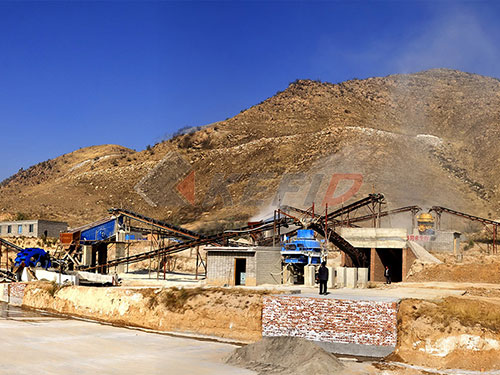
A common misconception is that sustainability comes at a prohibitive cost. In reality, eco-friendly plants often yield long-term financial benefits:
- Reduced Operating Costs: Energy-efficient motors, VFDs, and hybrid drives lower electricity and fuel bills. Water recycling cuts water purchase and disposal costs.
- Lower Compliance Risk: Proactive emission control avoids fines, shutdowns, and legal fees.
- Market Premium: Green-certified aggregates command higher prices in eco-conscious markets (e.g., LEED-certified construction projects).
- Waste Revenue: Selling crusher fines, recycled aggregates, or filter cake generates additional income.
- Tax Incentives: Many governments offer tax credits or grants for investments in renewable energy, water conservation, or pollution control.
A typical payback period for dust suppression and energy efficiency upgrades is 2–4 years, while solar installations may pay back in 5–7 years.
6. Case Study: A Model Eco-Friendly Plant
Consider a hypothetical 500-ton-per-hour granite quarry in a water-stressed region. The plant incorporates: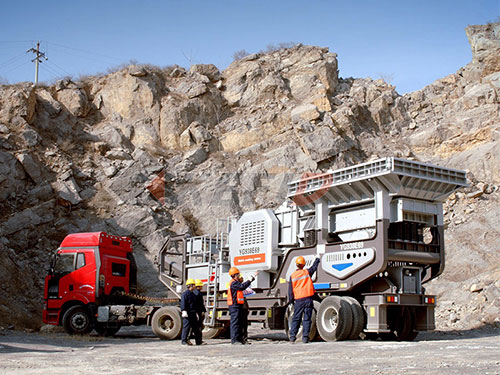
- Dust Control: Baghouse filters on all crushers, enclosed conveyors, and automated misting at stockpiles. PM10 emissions are below 50 µg/m³ at the fence line.
- Water Recycling: A 1,000 m³ settling pond and filter press achieve 95% water reuse. Rainwater harvesting provides 30% of makeup water.
- Energy: A 2 MW solar array and 500 kWh battery bank supply 40% of electricity. High-efficiency motors and VFDs reduce grid consumption by 25%.
- Waste: Crusher fines are sold to a concrete block manufacturer. Overburden is used for on-site road construction.
- Rehabilitation: Progressive restoration has created a 10-hectare wetland that supports migratory birds.
Annual savings: $1.2 million in energy and water costs, plus $300,000 in waste revenue. The plant achieved ISO 14001 certification within two years.
7. Future Trends and Innovations
The next generation of eco-friendly crushing plants will leverage:
- Artificial Intelligence (AI): Machine learning algorithms optimize crusher settings in real time based on feed material properties, reducing energy use and wear.
- Carbon Capture: Direct air capture (DAC) units integrated with plant ventilation systems could offset residual emissions.
- Hydrogen Fuel Cells: For mobile plants, hydrogen fuel cells offer zero-emission power with fast refueling.
- Blockchain for Traceability: Immutable records of recycled content and carbon footprint enable green supply chain verification.
Conclusion
The transition to eco-friendly stone quarry crushing plants is not merely an environmental obligation but a strategic business decision. By integrating advanced dust control, water recycling, energy efficiency, and waste valorization, operators can achieve regulatory compliance, reduce costs, and enhance their reputation. As technology continues to evolve, the gap between sustainability and profitability will narrow further. For stakeholders in the aggregate industry, the message is clear: the future of quarrying is green, and the time to invest is now.
This article provides a detailed, objective overview of eco-friendly stone quarry crushing plants, covering design, operations, economics, and future trends. For specific technical specifications or project feasibility studies, consult with qualified environmental engineers and equipment manufacturers.
