
Introduction
In the global push towards a circular economy and sustainable industrial practices, the management of by-products has transitioned from a logistical challenge to a strategic imperative. Slag, a non-metallic by-product generated during metal smelting and refining—primarily in iron, steel, and copper production—epitomizes this shift. Historically treated as waste destined for landfills, slag is now recognized as a valuable secondary raw material. The pivotal technology enabling this transformation is the Eco-Friendly Slag Crusher Plant. This sophisticated processing system is engineered not only to liberate metallic remnants and size slag for reuse but to do so with minimal environmental footprint. Its design philosophy integrates advanced crushing mechanics with stringent pollution control, dust suppression, noise abatement, and energy efficiency measures. This article delves into the technical composition, operational benefits, environmental safeguards, and economic rationale of the modern eco-friendly slag crusher plant.
Understanding Slag and the Need for Processing
Slag is a complex mixture of silicates, oxides, and other compounds that flux impurities from molten metal. Its composition varies but often includes calcium oxide, silicon dioxide, aluminum oxide, and magnesium oxide. Depending on the cooling process (air-cooled, granulated, or pelletized), slag can possess significant mechanical properties suitable for construction aggregates, cement clinker replacement (slag cement), road base materials, and even agricultural amendments.
However, raw slag lumps are heterogeneous and often contain residual “tramp” metal. To be commercially viable and technically effective in downstream applications, it must be:
A conventional crusher plant addresses size reduction but often neglects the substantial environmental externalities: airborne dust (silica dust), noise pollution high water consumption for dust control runoff contamination from wash water.
Core Components of an Eco-Friendly Slag Crusher Plant
An eco-friendly plant distinguishes itself through integrated systems that address these externalities at every stage.
1. Primary Crushing & Pre-Sorting Station:
2. Secondary & Tertiary Crushing Circuit:
3. Screening Station:
4. Material Handling System:
5. Metal Recovery System:
6.The Heart of Eco-Friendliness: Integrated Dust Suppression & Collection
This is arguably most critical system:
7.Noise Control Measures:
Beyond enclosures plants employ:
8.Water Management System:
A zero-discharge or closed-loop system is hallmark: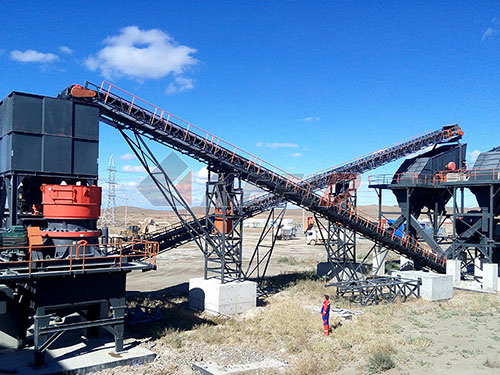
9.Power Management:
Energy efficiency contributes directly lower carbon footprint:
Environmental Benefits Tangible Impact
The adoption such plants yields measurable environmental gains:
1.Resource Conservation & Circular Economy
Diverts millions tons slag landfill annually Each ton processed aggregate replaces ton quarried natural stone preserving topography biodiversity reducing mining energy
2.Air Quality Protection
Comprehensive dust control prevents emission hazardous respirable crystalline silica protects worker health (reducing risk silicosis) prevents contamination surrounding environment
3.Water Stewardship
Closed-loop systems eliminate contaminated wastewater discharge conserve freshwater resources crucial socially responsible operation
4.Reduced Carbon Footprint
Energy-efficient operations coupled product—slag cement replacement Portland cement—leads massive CO2 savings Cement production accounts ~8% global CO2 emissions; slag substitution reduce clinker factor up 50%
5.Land Remediation
Plants can process historical slag dumps (“slag heaps”) reclaiming land urban development recreation restoring ecological value previously degraded sites
Economic Drivers Beyond Compliance
While regulatory compliance major driver economics compelling:
1.Revenue Streams
Transforms cost center (waste disposal) profit center through sale aggregates recovered metal Premium products like engineered slag sand command strong markets construction infrastructure
2.Cost Avoidance
Eliminates escalating landfill tipping fees taxes associated waste disposal Reduces liability long-term environmental legacy
3.Market Advantage
“Green” certified construction projects LEED BREEAM increasingly require recycled content Eco-friendly produced aggregates meet criteria enhancing marketability
4 Operational Efficiency Reliability
Modern automated plants predictive maintenance sensors reduce downtime energy waste improve overall equipment effectiveness (OEE)
Minimum Order Quantity Considerations
In industrial equipment context Minimum Order Quantity often refers smallest number units manufacturer willing produce single order For custom-engineered systems like slag crusher plants MOQ typically one complete plant due high degree customization required However within supply chain individual components may have own MOQs e.g., specific number conveyor idlers filter bags Project developers must engage early with engineering firms conduct detailed feasibility studies determine optimal plant capacity based feedstock availability market demand ensuring project economically viable even single-unit order Turnkey solution providers design finance build operate models further mitigate upfront capital risk clients facilitating adoption advanced eco-friendly technology
Conclusion
The eco-friendly slag crusher plant represents paradigm shift industrial waste management It embodies principle that economic productivity environmental stewardship not mutually exclusive but synergistic Through integration state-of-the-art crushing sorting technologies robust pollution control systems intelligent resource recovery modern facility transforms potential pollutant valuable commodity As global demand sustainable construction materials grows pressure minimize extractive industries intensifies role these plants will only become more central They are no longer ancillary equipment but foundational infrastructure circular economy enabling industries meet ambitious sustainability targets while maintaining profitability By processing yesterday’s waste into tomorrow’s building materials eco-friendly slag crusher plants literally lay groundwork more sustainable resilient world
Lorem ipsum dolor sit amet, consectetur adipisicing elit. Consectetur sequi saepe ut sunt eveniet perferendis excepturi, iste obcaecati. Qui tempore hic sed quia soluta obcaecati vel.