
Eco-Friendly Quarry Ballast Crushing Equipment Companies: Driving Sustainability in Aggregate Production
Introduction
The quarrying and aggregate production industry is fundamental to modern infrastructure, supplying the crushed stone, gravel, and ballast required for railways, highways, and construction projects. However, the sector faces mounting pressure to reconcile its essential economic role with stringent environmental obligations. Ballast crushing—the process of reducing quarried rock into graded aggregate for railway track beds and other applications—is particularly energy-intensive and generates significant dust, noise, and vibration. In response, a specialized segment of equipment manufacturers has emerged, focused on delivering eco-friendly crushing solutions that reduce emissions, energy consumption, and environmental disturbance while maintaining output quality and operational reliability. This article examines the landscape of eco-friendly quarry ballast crushing equipment companies, the technologies they deploy, the criteria by which they are evaluated, and the challenges and opportunities shaping the sector.
The Environmental Footprint of Conventional Ballast Crushing
To appreciate the significance of eco-friendly equipment, it is necessary to understand the environmental burdens associated with conventional crushing operations. Primary and secondary crushing of hard rock typically involves jaw crushers, cone crushers, and impact crushers powered by diesel engines or grid electricity. Key environmental impacts include:
Eco-friendly equipment companies address these impacts through design innovation, cleaner power sources, and integrated environmental controls.
Core Technologies in Eco-Friendly Ballast Crushing Equipment
Leading manufacturers are converging on several technological pathways to reduce environmental impact:
Electric and hybrid drives. Electrically driven crushers, particularly those connected to grid power or on-site renewable generation, eliminate tailpipe emissions and can significantly lower energy costs per tonne. Hybrid systems combining diesel generators with battery storage or electric drives offer flexibility for sites without reliable grid connections. Some manufacturers now offer “plug-in” crushing plants designed for full electric operation.
Energy-efficient crushing chamber design. Optimized cavity geometry, variable-speed drives, and load-sensing control systems reduce wasted energy. High-pressure grinding rolls and advanced cone crusher designs can achieve comparable size reduction with lower specific energy consumption. Manufacturers increasingly publish energy consumption figures per tonne to support comparative assessment.
Dust suppression and containment. Integrated water spray systems, fog cannons, enclosed crushing chambers, and baghouse filtration are standard features on eco-oriented equipment. Some companies offer dust encapsulation systems that capture and return fines to the process, reducing both emissions and material waste.
Noise and vibration reduction. Rubber-mounted components, acoustic enclosures, and low-vibration crushing mechanisms help plants meet stricter noise ordinances, particularly important for quarries near residential areas.
Digital monitoring and optimization. Telematics, sensors, and AI-driven process control enable real-time adjustment of crusher settings, feed rates, and power draw, minimizing energy waste and improving product consistency. Predictive maintenance reduces downtime and extends equipment life, contributing to resource efficiency.
Modular and mobile designs. Track-mounted and modular crushing plants reduce the need for haulage, lowering fuel consumption and emissions associated with transporting material to fixed plants. Mobile units can also be deployed closer to the working face, shortening haul distances.
Recycled and alternative materials handling. Some equipment is designed to process recycled concrete, railway ballast, and slag, supporting circular economy principles and reducing demand for virgin aggregate.
Leading Companies and Market Positioning
The market for eco-friendly ballast crushing equipment includes global heavy equipment manufacturers and specialized aggregate processing firms. While a comprehensive ranking is beyond the scope of this article, several companies are widely recognized for their environmental initiatives:
Specialized regional manufacturers also contribute, particularly in Europe, where regulatory pressure has accelerated adoption of electric and low-emission equipment. Companies in Scandinavia, Germany, and the United Kingdom have pioneered electric crushing plants and integrated dust suppression systems.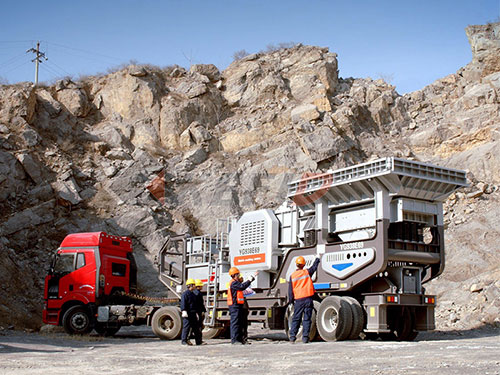
Criteria for Evaluating Eco-Friendly Equipment Companies
Procurement decisions in the quarrying sector increasingly weigh environmental performance alongside traditional factors such as throughput, reliability, and cost. Key evaluation criteria include:
Regulatory and Market Drivers
The adoption of eco-friendly crushing equipment is propelled by a combination of regulatory and market forces. In the European Union, the Industrial Emissions Directive and national permitting regimes impose strict limits on dust, noise, and emissions. The EU’s Stage V emissions standards for non-road mobile machinery have accelerated the shift toward cleaner engines and electric drives. In the United States, the Environmental Protection Agency’s New Source Performance Standards regulate particulate emissions from crushing and screening plants, while state and local ordinances often impose additional noise and dust controls.
Market drivers include growing demand from infrastructure clients for low-carbon construction materials, green building certification schemes, and corporate sustainability commitments among quarry operators. Railway projects, in particular, are increasingly subject to carbon accounting, creating incentives to source ballast produced with lower emissions. Financing institutions and insurers are also beginning to factor environmental performance into lending and risk assessment.
Challenges and Barriers
Despite progress, several barriers hinder the rapid adoption of eco-friendly crushing equipment:
Future Outlook
The trajectory for eco-friendly quarry ballast crushing equipment is strongly upward. Several trends are likely to shape the sector over the coming decade:
Conclusion
Eco-friendly quarry ballast crushing equipment companies occupy a pivotal role in the transition toward sustainable aggregate production. By advancing electric and hybrid drives, energy-efficient crushing chambers, integrated dust and noise controls, and digital optimization, these companies enable quarry operators to reduce emissions, conserve energy, and comply with increasingly stringent environmental regulations. While challenges related to capital cost, infrastructure, and standardization persist, the direction of travel is clear. As regulatory pressure intensifies and demand for low-carbon infrastructure materials grows, the companies that successfully combine environmental performance with operational reliability and cost-effectiveness will define the competitive landscape of the sector. For quarry operators, selecting the right equipment partner is no longer solely a question of throughput and price—it is a strategic decision that shapes environmental performance, regulatory compliance, and long-term viability in an increasingly sustainability-conscious market.
If you have any questions about our products, please feel free to contact us. We take all inquiries and suggestions very seriously.