
The global construction and mining industries stand at a critical juncture. As regulatory pressures intensify and societal demand for sustainable practices grows, the entire value chain is being re-evaluated. Within this transformative landscape, the role of Eco-Friendly Impact Crushers has evolved from a niche consideration to a central pillar of modern material processing. For wholesalers, this shift represents not just a compliance challenge, but a profound strategic opportunity. An eco-friendly impact crusher wholesaler is no longer merely a supplier of machinery; they are a pivotal partner in their clients’ sustainability journeys, offering solutions that reduce environmental footprint, lower operational costs, and future-proof investments.
An eco-friendly impact crusher is engineered to minimize its environmental impact across its entire lifecycle—from manufacturing and operation to end-of-life disposal. This encompasses several key technological and design principles:
Energy Efficiency: Modern eco-friendly models utilize high-efficiency electric drives, often coupled with variable frequency drives (VFDs). VFDs allow the crusher’s rotor speed to be precisely matched to the feed material and required product size, eliminating energy waste common in fixed-speed machines. Advanced rotor designs optimize kinetic energy transfer to the material, ensuring maximum breakage with minimum power input.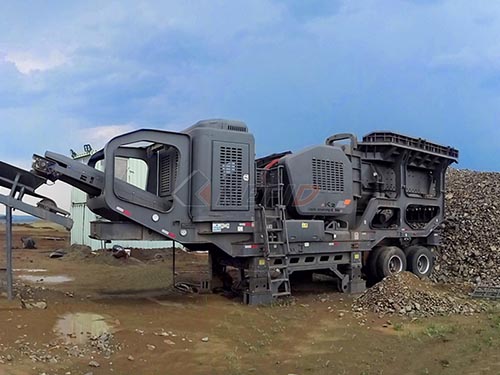
Dust Suppression and Containment: Dust generation is a primary environmental and health concern. Eco-friendly crushers integrate sophisticated sealed housing designs with multiple stages of internal baffles and rubber curtains to contain dust at the source. They are designed for seamless connection to dry filter systems (bag houses) or wet misting systems, ensuring near-total particulate capture as standard.
Noise Abatement: Noise pollution is a significant issue for sites near communities. Manufacturers achieve substantial noise reduction through sound-dampening materials on housings, optimized internal geometries that reduce air turbulence, and resilient mountings for vibrating components.
Longevity and Reduced Waste: Sustainability is also about resource conservation. Crushers built with premium, wear-resistant alloys (e.g., high-chrome blow bars, ceramic-lined wear parts) last significantly longer. This reduces the frequency of part replacements, minimizing the waste stream from spent components and lowering the carbon footprint associated with manufacturing and transporting spare parts.
Design for Recyclability: Leading manufacturers now design with disassembly and material recovery in mind, using standardized metals and marking components for easier sorting at end-of-life.
For wholesalers, succeeding in this market requires transitioning from a transactional model to a consultative partnership. The value proposition extends far beyond the crusher itself.
1. Technical Expertise & System Integration: Clients seek turnkey solutions. The wholesaler must possess deep knowledge to advise on selecting the right impact crusher type (horizontal shaft vs vertical shaft) for specific applications—whether it’s processing recycled concrete aggregate (RCA), asphalt millings, or natural stone—while prioritizing eco-outputs. Expertise in integrating the crusher with pre-screens (to remove contaminants and fines), magnetic separators, and advanced air filtration systems is crucial.
2. Lifecycle Cost Analysis (LCA): While the initial capex of an eco-friendly crusher may be higher than conventional models, its true value lies in lower operational expenditure (opex). Wholesalers must be adept at presenting detailed LCA models that demonstrate savings from:
3. Regulatory Navigation: Environmental regulations (like EPA guidelines in the US or EU directives on emissions and noise) are complex and location-specific. A knowledgeable wholesaler acts as a guide, ensuring the supplied equipment package meets or exceeds local requirements, thus de-risking their client’s operations.
4. Aftermarket Support for Sustainability: The green commitment doesn’t end at sale.
Several powerful forces are converging to drive demand for eco-friendly crushing solutions:
The path forward while lucrative not without obstacles:
The era of viewing crushing equipment solely through lens throughput tonnage over For today’s discerning buyer productivity intrinsically linked sustainability operational responsibility wholesale distributor specializing eco friendly impact crushers positions themselves at nexus two powerful trends: industrial efficiency environmental stewardship By providing comprehensive technologically advanced solutions that address noise dust energy consumption resource use these wholesalers do more than sell machines They enable their clients build responsibly comply confidently operate profitably long term future belongs those who recognize that most impactful crushing force industry today not just rotor kinetic energy but momentum towards greener more sustainable world
Lorem ipsum dolor sit amet, consectetur adipisicing elit. Consectetur sequi saepe ut sunt eveniet perferendis excepturi, iste obcaecati. Qui tempore hic sed quia soluta obcaecati vel.