
The industrial processing of petroleum coke, or “coke,” a critical carbonaceous material derived from oil refining, is an energy and resource-intensive operation. Central to this process is the screening stage, where raw or calcined coke is separated into precise size fractions for end-use in applications like aluminum anodes, steel electrodes, or fuel. The traditional fabrication and operation of vibration screens for this abrasive, dusty material have historically posed significant environmental challenges. Enter the Eco-Friendly Coke Vibration Screen Fabricator—a specialized engineering entity that redefines this essential equipment through a holistic philosophy of sustainability, integrating green design principles, advanced materials, and intelligent systems to minimize ecological impact while maximizing performance and longevity.
Coke screening is notoriously harsh on equipment. The material is highly abrasive, generates substantial dust (a respiratory hazard and potential source of particulate matter emissions), and operates in demanding thermal and mechanical conditions. Conventional screen fabricators often prioritized sheer durability and upfront cost, leading to designs with high energy consumption, frequent replacement of components (generating waste), and inadequate containment of emissions. The eco-friendly fabricator addresses these pain points directly, recognizing that true efficiency now encompasses environmental stewardship alongside operational throughput.
An eco-friendly coke vibration screen fabricator operates on several interconnected pillars:
Life Cycle Assessment (LCA)-Driven Design: Every decision begins with an analysis of the screen’s total environmental footprint—from raw material extraction and manufacturing to its operational life and ultimate recyclability. This approach shifts focus from just the purchase price to the total cost of ownership and planetary impact.
Resource Efficiency: This involves selecting sustainable materials, minimizing waste during fabrication (through precision cutting and modular design), and creating products that themselves conserve resources during use.
Emissions and Pollution Control: Proactively designing for dust-tightness, noise reduction, and the integration of sealing systems that prevent lubricant leakage into the environment.
Energy Intelligence: Engineering drives, exciters, and screen bodies to achieve optimal separation with minimal electrical power input.
The distinction of an eco-friendly fabricator lies in its application of advanced technologies: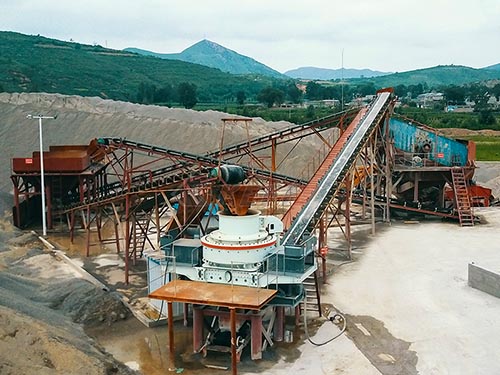
1. Advanced Materials Selection:
2. Energy-Efficient Drive Systems: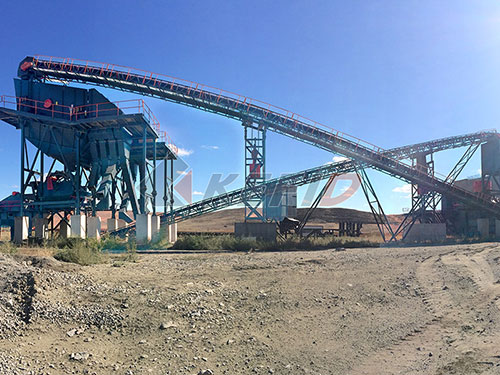
3. Integrated Environmental Controls:
4. Smart & Predictive Maintenance Features:
The advantages offered by an eco-friendly fabricator extend far beyond compliance goodwill delivering compelling operational economic benefits:
Despite clear benefits adoption faces hurdles Higher initial capital investment can deter decision-makers focused solely short-term capex Furthermore truly sustainable solution requires close collaboration end-user ensure proper installation operation maintenance maximize designed-in benefits
Future evolution likely see deeper integration Internet Things (IoT) where screens become data nodes within smart plant optimizing own performance real-time adjusting parameters feed changes Further advancements biodegradable composite materials closed-loop recycling programs worn screen components will push boundary circular economy within heavy industry
The eco-friendly coke vibration screen fabricator represents paradigm shift industrial equipment manufacturing moving from isolated product provider holistic solution partner focused on total value chain sustainability By marrying robust engineering with environmental consciousness these specialists produce machinery that not only performs essential separation task but does so way that conserves resources protects environment enhances profitability end-user In era where industrial progress must be balanced planetary responsibility role such fabricators becomes not just competitive advantage but essential component sustainable future for carbon-intensive industries Their work proves that even most rugged core processes can be re-engineered with green imperative mind delivering performance planet
Lorem ipsum dolor sit amet, consectetur adipisicing elit. Consectetur sequi saepe ut sunt eveniet perferendis excepturi, iste obcaecati. Qui tempore hic sed quia soluta obcaecati vel.