Navigating the Market for Eco-Friendly 500 TPH Gold Mining Washing Plant Exporters
The global mining industry stands at a critical juncture, facing immense pressure to reconcile economic imperatives with stringent environmental responsibilities. In the gold mining sector, this paradigm shift is most evident in the growing demand for advanced, high-capacity, and environmentally conscious processing equipment. The search for exporters of Eco-Friendly 500 TPH (Tonnes Per Hour) Gold Mining Washing Plants represents the forefront of this transformation. This article provides a comprehensive analysis of this niche yet rapidly expanding market, detailing the technological innovations, key players, logistical considerations, and the evolving standards that define it.
Understanding the Core Concept: What is a 500 TPH Eco-Friendly Washing Plant?
A gold washing plant is a facility designed to separate gold from alluvial (placer) deposits—typically found in riverbeds, sediments, and old flood plains. Traditional methods often involve high-water consumption, the use of toxic chemicals like mercury and cyanide (in later stages), and significant land disruption.
A 500 TPH plant is a large-scale operation capable of processing 500 tonnes of material every hour. This scale is indicative of major commercial mining projects, not artisanal or small-scale endeavors. The “eco-friendly” qualifier signifies a holistic redesign of this process to minimize its environmental footprint through several key principles:
- Water Recycling and Conservation: Instead of a linear “use-and-discharge” model, eco-friendly plants incorporate closed-loop water systems. Thickeners, clarifiers, and filter presses are used to recover over 90% of process water for reuse, drastically reducing freshwater intake and preventing contaminated effluent from entering local waterways.
- Chemical-Free or Reduced-Chemical Gravity Separation: The core of an eco-friendly washing plant relies on advanced gravity separation techniques to recover gold. This includes using centrifugal concentrators (e.g., Knelson or Falcon Concentrators), shaking tables, and spiral classifiers that exploit the high density of gold to separate it from lighter clays and sands without chemicals.
- Fine Particle Recovery Enhancement: Traditional sluices can lose fine gold particles. Modern plants employ advanced sluice designs with vortex matting or specialized riffles that dramatically improve the capture rate of micron-sized gold flakes.
- Low-Energy Design and Integration: Energy consumption is a major indirect environmental impact. Leading exporters design plants with highly efficient motors, variable speed drives, and optimal material flow paths to reduce power requirements per ton processed.
- Dust and Noise Suppression: Enclosed conveyors, water spray systems at transfer points, and sound-dampening equipment on machinery are standard features to mitigate air and noise pollution.
Key Technological Components in an Eco-Friendly 500 TPH Plant
Exporters offering such sophisticated solutions integrate a suite of specialized machinery:
- Scalping/Vibrating Grizzly Feeder: Removes large rocks and debris before the material enters the scrubber.
- Trommel Scrubber or Rotary Scrubber: This is the primary washing unit. It agitates the raw feed with water, breaking down clay conglomerates and dissolving dirt to liberate the gold particles.
- Centrifugal Concentrators: The heart of gravity recovery. These machines use a spinning motion to create high gravitational forces, separating fine gold from other heavy minerals with exceptional efficiency.
- Vibrating Screens (Deck Screens): Used for sizing classification after scrubbing, ensuring that only appropriately sized material is sent to specific recovery units.
- Water Management System: A non-negotiable component comprising settling ponds, thickeners (for rapid water recovery), and sometimes filter presses that produce a semi-dry “cake” of tailings for safer disposal or backfilling.
The Global Landscape of Exporters
The market for exporters specializing in this scale and ethos is concentrated among companies with strong engineering capabilities and a global outlook.
1. Established Western Multinationals:
These companies are often industry pioneers with decades of experience. They are known for their robust engineering quality, extensive R&D departments, comprehensive after-sales support, and compliance with international environmental standards (e.g., ISO 14001). Their offerings are typically premium-priced but come with guarantees on performance metrics like recovery rates.
- Strengths: Technological leadership; proven reliability; strong brand reputation; full lifecycle support.
- Considerations: Higher capital expenditure (CAPEX); potentially longer lead times; may require more sophisticated operational expertise.
2. Emerging Asian Manufacturers:
Companies based in countries like China have become formidable players in the global mining equipment market. They have made significant strides in closing the technology gap while offering highly competitive pricing.
- Strengths: Cost-effectiveness; flexibility in customization; faster manufacturing cycles.
- Considerations: Due diligence on quality control is paramount; after-sales service infrastructure may be less developed in certain regions; intellectual property frameworks can vary.
3. (Note: Specific company names are avoided for objectivity) A discerning buyer will find that top-tier exporters often do not brand themselves solely as “washing plant manufacturers.” They are more accurately described as “mineral processing solutions providers” or “modular plants suppliers,” indicating their focus on providing an integrated process solution rather than just selling individual machines.
Critical Considerations When Selecting an Exporter
Choosing the right exporter for a multi-million dollar investment like a 500 TPH plant requires meticulous evaluation beyond just price quotes.
- Proven Track Record & References: Request case studies or contactable references for previous installations of similar scale (300-600 TPH range). Verify performance data on recovery rates and water recycling efficiency.
- Testwork & Pilot Plant Services: Reputable exporters will insist on conducting bench-scale or pilot-scale tests on a representative sample of your ore body. This data is crucial for designing a plant optimized for your specific material’s characteristics (clay content, gold particle size distribution).
- Modularity vs. Static Design: Most modern eco-plants are modular—built in skid-mounted or containerized sections. This allows for faster installation, easier relocation as mining faces advance, scalability (e.g., starting at 400 TPH and adding modules), and reduced civil works impact.
- After-Sales Support & Training: The sophistication of these plants demands expert maintenance and operation. Evaluate the exporter’s technical support network: Do they have service engineers available globally? What is their parts supply chain like? Do they offer comprehensive operator training programs?
- Transparency on Environmental Claims: Scrutinize their “eco-friendly” claims quantitatively:
- What is the specific water consumption per ton processed?
- What percentage of water is recycled?
- What technologies are used to prevent spillage or leakage?
- Are their designs conducive to eventual site rehabilitation?
Logistical Challenges in Exporting Large-Scale Plants
Exporting machinery of this magnitude involves complex logistics: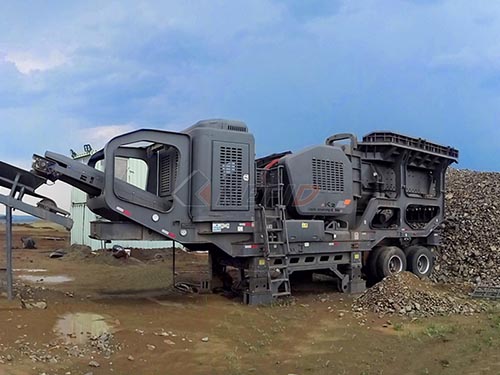
- Shipping heavy components like scrubbers drums requires specialized handling equipment at both origin and destination ports.
- Inland transportation from port to mine site can be challenging depending on local infrastructure like road weight limits or bridge capacities.
- Import regulations must be thoroughly researched concerning customs duties certifications required by destination country
Conclusion
The demand for eco-friendly large-capacity washing plants reflects broader movement towards sustainable resource extraction While traditional methods prioritized throughput above all else new paradigm demands balance between profitability planetary stewardship Exporters who succeed this market those who can demonstrate not just mechanical reliability but also deep commitment environmental innovation
For any mining company embarking project requiring Eco-Friendly TPH Gold Mining Washing Plant due diligence process must be exhaustive focusing equally technical specifications environmental performance long-term viability supplier partnership Ultimately right exporter will be one provides robust efficient machine but also peace mind knowing operation meets highest standards operational excellence environmental responsibility
