
In the realm of comminution—the process of reducing the size of solid materials—jaw crushers stand as one of the most fundamental and historically significant machines. Among the various designs, the Blake Jaw Crusher and the Dodge Jaw Crusher represent two pivotal, yet distinctly different, approaches to achieving particle size reduction through compressive force. While both are considered “overhead eccentric” jaw crushers in a broad sense, their specific kinematic principles, mechanical designs, and operational characteristics set them worlds apart. Understanding the difference between these two types is not merely an academic exercise in engineering history; it provides crucial insight into the selection of appropriate technology for specific crushing applications.
This article provides a detailed, objective comparison of the Blake and Dodge-type jaw crushers, delving into their design philosophies, working mechanisms, advantages, disadvantages, and their respective places in modern mineral processing.
The Blake Jaw Crusher: The Archetype
Patented by Eli Whitney Blake in 1858, the Blake Jaw Crusher is widely credited as the first practical mechanical rock crusher. Its design was so effective and robust that it became the standard for primary crushing for over a century, and its basic principle is still employed in many modern jaw crushers. The defining characteristic of the Blake-type crusher is the location of the pivot point of the movable jaw.
The Dodge Jaw Crusher: The Alternative Approach
Developed later as an alternative, the Dodge Jaw Crusher features a fundamentally different pivot arrangement. Patented in 1881, its design sought to address some perceived limitations of the Blake design but introduced new ones.
This single difference in pivot location dictates nearly every other aspect of their performance, from capacity and product gradation to susceptibility to choking and maintenance requirements.
Blake-Type Kinematics: The “Choking” Design
The motion of the swinging jaw in a Blake crusher can be described as a compound pendulum. As the eccentric shaft at the top of the crusher rotates, it imparts an elliptical motion to the top of the movable jaw. However, because it is hinged at the top:
This kinematic profile has critical implications:
Dodge-Type Kinematics: The “Uniform Output” Design
The kinematics ofthe Dodgecrusheraresimplerbutmore restrictive.Thepivotatthebottommeansthatalmosteverypointonthemovablejawtravelsinasmallarc,movinginandoutina nearlyparallelorstraight-linemotionrelativetothefixedjaw.Thisresultsin:
1.Auniformcrushingactionalongtheentirelengthofthecrushingchamber.
2.Verylittleverticalmovementatthebottomdischargeend,makingitrelyongravityforproductdischarge.
3.Thegreatestmovement,andthusinitialbreakingforceisappliedatthetopofthechambernearthefeedopening.
Theimplicationsofthisdesignareprofound:
| Feature | Blake-Type Jaw Crusher | Dodge-Type Jaw Crusher |
|---|---|---|
| Pivot Point | Top | Bottom |
| Primary Advantage | High capacity; less prone to choking; positive discharge action; robust for hard,tough,and abrasive materials. | Produces a more uniform product size; simpler mechanism with fewer parts near moving jaws; higher reduction ratio potential per pass due to uniform nip angle.* |
| Primary Disadvantage | More complex mechanism; higher power consumption per ton due to non-uniform stroke; product size distribution can be wider (more fines). | Extremely prone to choking with damp or sticky feed; lower capacity due to reliance on gravity discharge; not suitable for high-capacity primary crushing. |
| Product Uniformity | Less uniform,wider rangeofparticlesizes(fines+coarse). | Moreuniformproductsize(underidealconditions). |
| Capacity | High.Verticalcomponentofforceaidsindischargeallowingforhigherthroughputrates. | Low.Relianceongravityseverelylimitscapacityandrequiresmorecarefulfeedcontrol. |
| SusceptibilitytoChoking | Low.Thepositiveejectingactionatthebottomhelpspreventclogging. | VeryHigh.Lackofverticalmotionmakesitvulnerabletoblockingwithstickyordampmaterials. |
| Wear Distribution | Uneven.Highestwearnearth edischargepoint,makingplate replacementpredictableandeconomical. | Moreeven,butcanbeconcentratednearthefeedpoint.Wearplatestendtowearoutmoreevenlyacrosstheirlength. |
| Application | Primarilyusedasahigh-capacityprimarycrusherforlarge,bulky,andabrasivematerials.Commoninminingandquarryoperations. | Historicallyusedinsmalleroperations,laboratories,andapplicationswhereproductuniformitywasparamountandfeedwasperfectlydryandnon-plastic.Rareinmodernindustrialuse. |
*Note on Reduction Ratio: While often cited as an advantage for Dodge crushers due to their uniform nip angle allowing for better grip on particles,the practical limitationsofchokingoftenpreventtherealizationofthistheoreticalbenefitinscaleoperations.
In today’s industrial landscape,the distinction between these two types has become somewhat blurred,yet their legacies endure.The overwhelming majorityofmodern,job-provenjawcrushersusedforprimarycrushingarebasedontheBlakeprinciple.Modernvariantslike singletogglejawcrushers(whichareakin tot heB lake designbutwithasimplermechanism)dominatethe marketfortheirreliabilityhighcapacity,andabilitytohandleawiderangeoffeedmaterialsincludingthose thataredamporsticky.TheBlakedesign’sresistancetochokingisits singlemostimportantoperationaladvantageinalarge-scaleprocessingenvironmentwheredowntimeiscostly.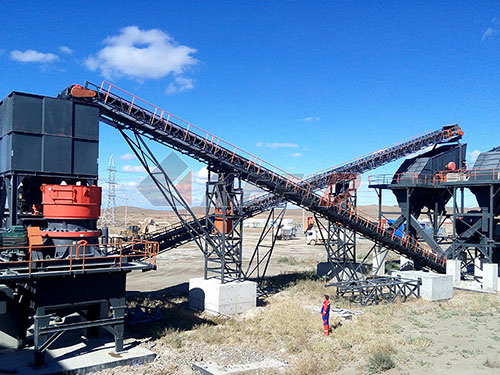
TheDodge-typecrusher,havingfailedtogainwidespreadindustrialadoptionduetoitsfatalflawofbeingpronetochoking,hasseenitsusefadeintoobscurity.Itisseldomifeverusedinnewfull-scaleprocessingplants.Itsprimarylegacylivesoninlaboratorysettingswherecontrolledconditions(smallbatches,dryfeed)andtheneedforaspecificproductsizemakeitausefulanalyticaltool.Some small-scale or specialized applications might still employ it,but it is not considered aviableoptionformodernhigh-tonnageprimarycrushing.In essence,theindustryvotedwithitsfeet:thereliabilityandcapacityoftheB lake-typedesignprovedfarmorevaluablethanthe theoreticalproductsiz euniformityoftheDodge type.In conclusion,thedifferencebetweenBlack(acommonmisspellingofBlake)andDodge-typecrushersboilsdowntoafundamentaldifferenceinengineeringphilosophy.Oneprioritizedrobustnessandreliableoperationunderarduousconditions(theBlake);theotherprioritizedatheoreticalidealinproductsiz econtrol(theDodge).Historyandpracticalexperiencehavedemonstratedthatforthevastmajorityofindustrialcrushingapplications,t hedesignphilosophyembodiedbyEliWhitneyBlake’soriginalinventionremainsthecorrectchoice
Lorem ipsum dolor sit amet, consectetur adipisicing elit. Consectetur sequi saepe ut sunt eveniet perferendis excepturi, iste obcaecati. Qui tempore hic sed quia soluta obcaecati vel.