Custom Top Ten Stone Crusher Machine Cheap: A Professional and Objective Analysis
The search term “Custom Top Ten Stone Crusher Machine Cheap” encapsulates a common yet complex demand in the construction, mining, and aggregate industries. It merges three critical desires: customization for specific operational needs, quality/reliability implied by a “top ten” ranking, and low cost. This article provides a detailed, professional, and objective analysis of this trifecta, exploring the inherent trade-offs, key considerations, and realistic pathways to achieving a near-optimal solution.
Deconstructing the Demand: The Impossible Triangle?
In engineering and procurement, the “Project Management Triangle” often posits that you can only prioritize two of the following: Good, Fast, Cheap. A similar paradigm exists here: Customization, Quality, Low Cost. Achieving all three simultaneously at the highest level is exceptionally challenging.
- Customization involves tailoring crusher components (jaws, liners, rotor speed), capacity (TPH), feed and output sizes, mobility (track-mounted vs. stationary), or integrating specific dust suppression or automation systems. This requires engineering input, non-standard parts, and flexible manufacturing—all of which add cost.
- Top Ten Quality refers to machines built with superior materials (high-grade manganese steel, robust bearings), precise engineering for efficiency and particle shape, reliability under continuous load, and backed by reputable brands with proven service networks and parts availability. This commands a premium.
- Cheap signifies a low initial purchase price.
The core objective becomes: How to maximize value within budget constraints without compromising critical operational integrity?
Defining “Top Ten”: Key Parameters for Evaluation
Rather than listing subjective brand rankings (which vary by region and application), we define the attributes that place a stone crusher in a “top” category:
- Crushing Efficiency & Product Shape: Ability to produce high yield of desired cubical aggregate with minimal waste/fines.
- Durability & Wear Resistance: Quality of wear parts (jaws, concaves, blow bars) and structural integrity of the frame.
- Operational Economy: Power consumption per ton of output and ease/ cost of wear part replacement.
- Versatility & Adjustability: Ability to handle different feed materials (granite vs. limestone) and easily adjust output size.
- Safety & Automation: Modern safety features and control systems that reduce labor and improve consistency.
- After-Sales Support: Availability of technical service, maintenance training, and genuine spare parts.
Pathways to a “Cheap” Custom Solution
Achieving affordability while approaching “top ten” performance in a custom context involves strategic choices:
1. Selecting the Right Crusher Type for Your Need
Customization starts with machine type selection—the single biggest factor in cost-effectiveness.
- Jaw Crushers: Ideal for primary crushing of hard abrasive stone. A custom-sized jaw with specific liner profiles can be relatively affordable from mid-range manufacturers.
- Cone Crushers: Best for secondary crushing; producing fine, high-quality aggregate. Customizing mantle/bowl liners or chamber design is common but can be costly.
- Impact Crushers (Horizontal Shaft Impactor – HSI / Vertical Shaft Impactor – VSI): Excellent for softer stone and producing excellent shape. Customizing rotor speed/configuration or anvil/rock shelf designs offers significant flexibility without always breaking the bank.
- Mobile vs. Stationary: A custom-configured mobile crusher (track-mounted) has higher base cost but saves on installation and transportation costs between sites.
2. The Source Strategy: Where to Find Value
- Established Mid-Tier Manufacturers: Brands just outside the global premium tier often offer 80-90% of the performance at 60-70% of the cost. They are more amenable to custom requests without exorbitant fees. Examples include certain well-regarded Turkish, Indian Chinese or regional European manufacturers.
- Local Fabrication with Key Imported Components: For stationary plants especially; design a custom layout locally but source critical components like bearings motors hydraulic cylinders from top-tier suppliers This blends customization quality control over core structure
- A Critical Note on Ultra-Cheap “No-Name” Crushers: Machines sold at rock-bottom prices almost universally cut corners metallurgy casting quality balancing assembly precision They fail faster consume more power in operation produce inconsistent product leading to higher cost per ton—the antithesis of value
3. Smart Customization Priorities
Prioritize customizations that directly impact your ROI:
- Essential: Correct feed opening capacity motor size output conveyor specifications
- High-Value: Custom wear part alloys for your specific material abrasiveness ore dust suppression systems tailored to your site environmental rules
- Avoid: Over-engineering or aesthetic modifications that don’t enhance function
4 The Used Refurbished Route – The Most Realistic “Cheap Custom” Option
This is frequently the most viable path to acquiring near-top-tier quality with customization at low cost
- Process Purchase a well-maintained used crusher from a reputable brand (e.g., Sandvik Metso Terex etc.)
- Invest in comprehensive refurbishment This is where customization occurs
- Rebuild with new custom-designed wear parts
- Repaint integrate into your specific plant layout
- Upgrade bearings seals or control panels
- Result A machine effectively customized for your needs rebuilt to high standard at fraction of new price Requires technical expertise vetting but offers tremendous value
Objective Analysis Trade-offs Risks
1 Warranty Support Deeply discounted new machines or heavily customized ones may come with limited warranty Complex custom designs can void standard warranties Clarify terms upfront
2 Parts Availability Lead Time Custom parts especially from distant manufacturers can have long lead times Stocking critical spares is essential to avoid costly downtime
3 Total Cost Ownership TCO vs Initial Price Always calculate TCO Include estimated wear part life energy consumption maintenance labor A cheap machine that consumes expensive blow bars twice as fast is not cheap
4 Resale Value Highly customized machines may have lower resale value as they suit very specific needs Standardized models from known brands retain value better
Conclusion Achieving Intelligent Compromise
The quest for a custom top ten stone crusher machine cheap is best reframed as a quest for optimal value through intelligent compromise
A practical strategy might be:
Source a robust base machine from an established mid-tier manufacturer known for solid engineering Select key model allows some inherent flexibility e.g., adjustable rotor interchangeable crushing chambers Then specify one two critical custom features—such as specialized liner metallurgy feed chute modification—that address your primary material site challenge Pair this with investing in premium installation regular preventive maintenance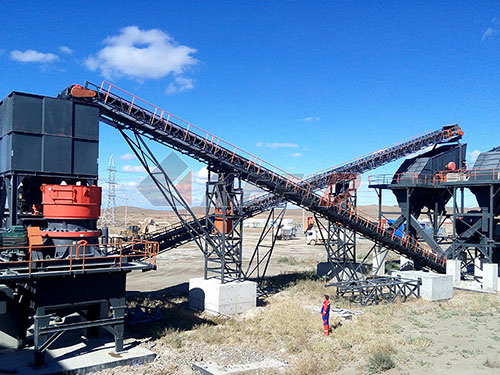
Alternatively consider the refurbished premium equipment route which often yields highest quality base platform customization potential lowest capital outlay
Ultimately cheap should not mean frail unreliable It should mean strategically frugal—paying less upfront without sabotaging long-term productivity By focusing on total cost ownership prioritizing mission-critical customizations choosing right supplier tier you can secure crushing solution feels both custom top-performing affordable It won’t be absolute cheapest nor will it rival most expensive flagship models but it will represent smart sustainable engineering procurement decision
