Custom Quarry Ballast Crushing Equipment: Achieving Affordability Without Compromising Performance
In the demanding world of aggregate production, ballast holds a critical position. As the foundational bed for railway tracks, its specifications for size, gradation, durability, and cleanliness are exceptionally stringent. Producing high-quality quarry ballast is a precise science, and at its heart lies the crushing equipment. The quest for affordable custom quarry ballast crushing equipment is not merely about finding the cheapest machine; it is a strategic engineering and financial endeavor to optimize the total cost of ownership while ensuring unwavering product quality and operational reliability. This article explores the multifaceted approach to achieving true affordability in this specialized sector.
Understanding the Ballast Specification Imperative
Before discussing equipment, one must appreciate the product. Railway ballast typically requires hard, angular, and uniformly graded coarse aggregate (e.g., 25mm-50mm or similar range as per national standards). It must be free of fines (dust), soft particles, and organic material to ensure proper drainage, load distribution, and track stability. This specification immediately dictates the type of crushing process needed: primarily secondary and tertiary crushing, often accompanied by rigorous screening and washing.
A standard single crusher is rarely sufficient. The process flow usually involves:
- Primary Crushing: Jaw crusher or gyratory crusher for initial size reduction.
- Secondary/Tertiary Crushing: Cone crushers or impact crushers to shape the aggregate and produce the desired cubical, angular fragments.
- Screening: Multiple-deck screens to precisely separate sizes, remove undersize fines, and scalp off oversize material for re-crushing.
- Washing/Scrubbing: Optional but often necessary log washers or sand screws to remove clay, dirt, and lightweight contaminants.
“Custom” equipment refers to selecting and configuring these components into an optimized circuit tailored to the specific feed material (granite, basalt, limestone, etc.) and the exact ballast product required.
The Pillars of Affordability in Custom Ballast Crushing Plants
Affordability is a lifecycle concept encompassing capital expenditure (CAPEX), operational expenditure (OPEX), maintenance costs, and production efficiency.
1. Intelligent System Design & Circuit Optimization
True affordability starts on the drawing board. A custom-designed plant that matches output capacity (TPH) precisely to project requirements avoids over-investment in oversized machinery. Key strategies include:
- Closed-Circuit Crushing: Implementing a cone crusher in a closed circuit with a screen is paramount for ballast. Oversize material is continuously recirculated back to the crusher until it passes through the screen apertures. This ensures consistent product size control and maximizes yield of the saleable ballast fraction.
- Material Flow Efficiency: Minimizing transfer points and ensuring smooth flow with well-designed chutes and conveyors reduces spillage, dust generation, and wear.
- Modular & Semi-Mobile Designs: Instead of fixed, poured-concrete installations, modern modular plants offer significant CAPEX savings. They are pre-assembled on skid-mounted or trailer frames, reducing site civil works and installation time. They also offer future relocation flexibility.
2. Strategic Equipment Selection & Technology
Choosing the right type of crusher is critical for both cost control and product shape.
- Cone Crushers vs. Impact Crushers: For ballast production requiring high compressive strength and cubical shape from hard rock, cone crushers are often preferred due to their lower wear cost per ton in abrasive applications. Modern cone crushers with advanced chamber designs and automation systems (like ASRi) optimize liner wear and product gradation automatically.
- High-Frequency Screens: These are invaluable for efficient removal of fines (-5mm material) from the final product—a key ballast requirement—improving both quality and yield.
- Scalping Feeders: Removing fine material before it enters the primary crusher (“scalping”) reduces unnecessary wear on crushing chambers.
3. The Power of Automation & Control Systems
An affordable plant is an efficient plant. Modern PLC-based control systems deliver affordability by:
- Optimizing crusher load for energy efficiency.
- Monitoring key parameters like pressure, temperature, power draw to prevent catastrophic failures.
- Automatically adjusting settings for different products or feed conditions.
- Providing data for predictive maintenance schedules.
4. Lifecycle Cost Focus: Durability & Maintainability
The cheapest initial price tag can lead to exorbitant long-term costs.
- Component Quality: Investing in equipment with robust frames, high-quality bearings from reputable brands like SKF or Timken ensures longevity.
- Wear Part Design & Accessibility: Crushers designed for quick liner changes reduce downtime during maintenance periods like mantle/concave replacement in cones or jaw die changes.
- Local Service & Parts Availability: Choosing OEMs or suppliers with strong local dealer networks ensures timely technical support parts availability which minimizes costly production stoppages.
5. Sourcing Strategies: New vs. Proven Used vs. Local Fabrication
Affordability can be achieved through smart sourcing: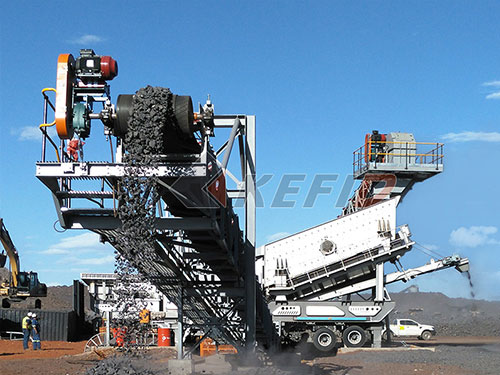
- New from Reputable Mid-Tier OEMs: Several manufacturers offer reliable technology at competitive prices compared to premium brands without sacrificing core performance especially when customized appropriately
- Quality Used/Refurbished Equipment: For well-defined projects purchasing professionally refurbished core machines like cone crushers from reputable dealers can slash CAPEX significantly while maintaining performance warranties on critical components
- Hybrid Approach Combining new key components e g screens control system with a robust refurbished primary crusher can be an optimal balance
***Local Fabrication Support Structures conveyors chutes hoppers can often be fabricated locally to international standards reducing cost compared to shipping fully assembled units
Challenges & Mitigation Strategies
Pursuing affordability carries risks that must be managed:
- Risk of Under-Specification: Cutting corners on motor power structural steel thickness may lead premature failures Mitigation Work closely experienced crushing process engineer conduct proper calculations
- After-Sales Support Gaps: Some low-cost suppliers lack technical backup Mitigation Insist comprehensive documentation training spares list consider third-party service contracts
- Hidden Costs: Freight duties installation commissioning costs can escalate Mitigation Demand detailed turnkey quotations inclusive all ancillary items dust suppression systems electrical switchgear
Case Study Concept: Affordable Custom Plant for Regional Railway Project
A contractor wins a 5-year contract supply 500 000 tons basalt ballast They opt semi-mobile custom solution: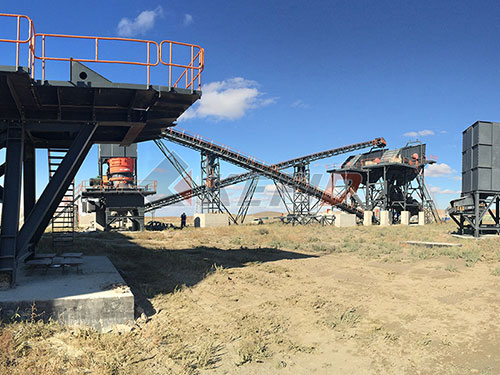
- Primary: Refurbished jaw crusher (solid foundation)
- Secondary/tertiary: New single heavy-duty cone crusher closed circuit with triple-deck screen
- Fines removal High-frequency screen deck dedicated final product
- Modular design All units mounted removable modules minimal concrete foundations
- PLC automation system monitors production protects equipment
This approach balanced upfront investment low OPEX via energy-efficient cone automated controls easy maintenance access resulting lower cost per ton over contract life versus larger fixed plant higher depreciation
Conclusion: Redefining Affordability
In conclusion affordable custom quarry ballast crushing equipment represents sophisticated value engineering exercise It transcends mere purchase price encompass entire operational lifespan The most affordable solution reliably produces specification-compliant ballast lowest possible cost per ton over its economic life Achieving this requires meticulous focus intelligent circuit design appropriate technology selection emphasis maintainability strategic sourcing By viewing affordability through lens total cost ownership operators can make informed investments that ensure profitability sustainability competitive edge within critical infrastructure supply chain The goal not just crush rock but crush costs while building solid foundation—literally—for railway networks worldwide
