Navigating the Selection of a Custom Iron Ore Crushing Plant Vendor: A Comprehensive Guide for Mining Operations
In the highly competitive and capital-intensive world of iron ore mining, operational efficiency is not merely an advantage—it is a prerequisite for survival and profitability. At the heart of this efficiency lies the primary crushing circuit, the first and arguably most critical stage in the comminution process. The performance of this plant dictates downstream processing efficiency, energy consumption, and ultimately, the cost per ton of saleable product. Consequently, the selection of a vendor for a custom iron ore crushing plant is one of the most strategic decisions a mining company will make. This article provides a detailed exploration of what constitutes a proficient custom crushing plant vendor, the key considerations in the selection process, and the technological imperatives shaping modern iron ore processing.
The Imperative for Customization in Iron Ore Crushing
Iron ore is not a monolithic commodity. Its characteristics vary dramatically from deposit to deposit, influencing every aspect of processing. Key variables include:
- Ore Competence and Abrasiveness: Hard, abrasive ores like massive hematite or magnetite demand robust crushers with high-wear-resistant materials (e.g., manganese steel liners). Softer, clay-rich ores may present challenges with moisture content and clogging.
- Feed Size and Gradation: The size distribution of run-of-mine (ROM) ore directly impacts crusher selection. A gyratory crusher is typically suited for large, blocky feed, whereas a jaw crusher might handle smaller, more consistent sizes.
- Moisture and Clay Content: Sticky ores with high clay content are notorious for causing plugging and buildup in crushers and on conveyor belts, necessitating specialized hopper designs, apron feeders, and sometimes pre-screening or washing stages.
- Product Size Requirements: The target product size for the primary circuit is determined by the feed requirements of downstream processes—whether it’s secondary/tertiary crushing for direct shipping ore (DSO) or preparing feed for autogenous (AG) or semi-autogenous (SAG) milling circuits.
A “one-size-fits-all” approach is therefore untenable. A custom plant vendor moves beyond simply supplying off-the-shelf equipment; they engage in a collaborative engineering process to design an integrated system optimized for the specific geological and operational profile of the mine.
Core Competencies of a Leading Custom Iron Ore Crushing Plant Vendor
Identifying a vendor capable of delivering a truly custom solution requires assessing several core competencies:
1. Deep Domain Expertise in Comminution:
A top-tier vendor possesses more than just mechanical engineering prowess; they have profound expertise in mineral processing. Their engineers should be able to analyze ore characterization data (Bond Work Index, Abrasion Index, JK Drop Weight Tests) to model circuit performance accurately. They understand how different crusher types—Jaw, Gyratory, Cone, and Impact Crushers—interact with specific ore types and can recommend the optimal configuration (e.g., Open vs. Closed Circuit) to achieve target throughput and product size while minimizing overgrinding and energy waste.
2. Robust Portfolio of Technology and Equipment:
While customization is key, it must be built upon a foundation of proven, reliable equipment. A reputable vendor either manufactures its own best-in-class crushers, screens, and feeders or has strategic partnerships with leading OEMs (Original Equipment Manufacturers). They offer: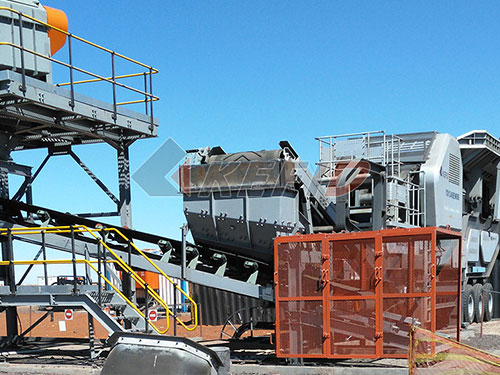
- Primary Crushers: Heavy-duty Gyratory Crushers for high-capacity operations (>1,000 t/h) or Jaw Crushers for smaller capacities or tougher feed.
- Secondary/Tertiary Crushers: Cone Crushers with various chamber designs for fine reduction.
- Screens: Scalping screens to remove fines before crushing and sizing screens for closed-circuit operations.
- Feeders: Apron feeders for sticky ores, vibrating grizzly feeders (VGF) for coarse separation.
3. Holistic System Integration Capability:
The crushing plant is more than just crushers; it is an ecosystem. A competent vendor designs all ancillary systems seamlessly:
- Material Handling: Designing conveyor systems with appropriate belt widths, speeds, and transfer points to minimize spillage and dust.
- Dust Suppression & Control: Integrating sophisticated systems using water sprays, foam, or baghouse filters to meet environmental regulations and ensure worker safety.
- Electrical & Control Systems: Implementing state-of-the-art PLC (Programmable Logic Controller) based automation for coordinated start-up/shutdown sequences; load management; and remote monitoring.
- Structural & Civil Engineering: Providing designs for foundations, support structures, and walkways that are fit-for-purpose and comply with international standards.
4. Commitment to Operational Efficiency & Lifecycle Cost:
The lowest capital cost often leads to the highest operating cost. A superior vendor focuses on minimizing the Total Cost of Ownership (TCO). This includes:
- Wear Part Optimization: Designing liners and mantles that maximize service life through advanced metallurgy and geometry.
- Maintenance Accessibility: Designing plants with easy access for liner changes maintenance tasks reduces downtime significantly.
- Energy Efficiency: Selecting motors drives that operate at optimal load reducing specific energy consumption (kWh/t).
5. Proven Project Management Track Record:
Delivering a multi-million-dollar crushing plant on schedule budget requires disciplined project management adhering methodologies like PMI’s PMBOK or PRINCE2 The vendor must demonstrate capability managing all phases from basic engineering detailed design procurement fabrication transportation installation commissioning They should have verifiable references from similar scale projects harsh remote locations
The Vendor Selection Process: A Methodical Approach
Mining companies should adopt rigorous structured process evaluate potential vendors
- Pre-Qualification & RFI (Request Information): Develop shortlist vendors based reputation financial stability relevant experience Issue RFI gather high-level information capabilities
- Technical & Commercial Proposal (RFP/RFQ): Issue detailed Request Proposal including comprehensive data package geology flow sheets site conditions performance guarantees (throughput product size availability) Evaluate proposals not only on price but technical merit proposed technology compliance specifications
- Due Diligence & Reference Checks: Visit vendor’s manufacturing facilities inspect quality control processes Crucially contact previous clients discuss their experience regarding plant performance reliability after-sales support
- Collaborative Basic Engineering Study: Before final contract engage selected vendor paid basic engineering study This phase allows both parties refine design identify potential risks validate assumptions leading more accurate fixed-price proposal
- Contract Negotiation & Final Selection: Final contract should clearly define scope work performance guarantees milestones payment terms intellectual property rights responsibilities scope supply boundaries between vendor client
Technological Trends Shaping Modern Crushing Plants
The modern iron ore crushing plant increasingly digital connected
- Automation Condition Monitoring: Advanced systems use sensors monitor critical parameters like crusher motor power hydraulic pressure bowl level cavity level Automated settings adjustments optimize performance real-time prevent catastrophic failures Predictive maintenance algorithms analyze vibration temperature data schedule maintenance before failures occur
- Digital Twins: Vendors now offer digital replicas physical plant This model used simulate different operating scenarios train personnel troubleshoot issues optimize performance without disrupting actual production
- Modular Pre-Assembled Designs: For remote locations sites challenging labor conditions vendors designing plants using modular skid-mounted components These modules pre-assembled tested workshop then transported site significantly reducing construction time cost improving quality control
- Sustainability Focus: Emphasis reducing water consumption dust emissions noise pollution Energy-efficient drives systems recovering using waste heat becoming standard considerations modern plant design
Conclusion
Selecting vendor custom iron ore crushing plant decision resonates throughout lifecycle mine It transcends simple procurement becomes strategic partnership right vendor delivers system not only meets technical specifications but enhances overall operation’s profitability reliability sustainability through superior engineering robust construction intelligent design Mining companies must therefore invest significant time resources conducting thorough due diligence prioritizing vendors demonstrate deep technical expertise proven integration capabilities unwavering commitment long-term operational success By focusing total cost ownership embracing technological innovation mining operators can ensure their primary crushing circuit serves as solid foundation upon which profitable efficient operation built
