The Custom Hammer Mill Processing Plant: A Strategic Approach to Size Reduction and Value Addition
In the world of industrial processing, the hammer mill stands as a workhorse of size reduction. Its fundamental principle—impact-based particle breakdown by rapidly rotating hammers—is deceptively simple. However, the leap from a standard, off-the-shelf hammer mill to a fully integrated Custom Hammer Mill Processing Plant represents a profound shift in operational philosophy. It moves beyond mere equipment procurement to a holistic system engineering approach designed to optimize a specific raw material into a precisely defined final product. This custom-built ecosystem is not merely about crushing; it’s about creating value, ensuring efficiency, and building a resilient production line tailored to unique commercial and technical objectives.
A custom plant is defined by its purpose-built nature. While a standard mill might suffice for general applications, a custom solution becomes imperative when dealing with unique material characteristics, stringent product specifications, complex feed systems, specific throughput requirements, or challenging environmental and safety constraints.
Core Components of a Custom Hammer Mill Plant
A truly custom plant integrates several key subsystems into a seamless, automated workflow. Each component is selected and engineered not in isolation, but with the entire system’s performance in mind.
1. The Heart: The Custom-Configured Hammer Mill Itself
This is the centerpiece of the operation, and its customization involves several critical variables:
- Rotor Design and Kinetics: The rotor’s diameter, width, and rotational speed (RPM) are meticulously calculated. A larger diameter rotor with lower speed generates more inertia and is ideal for coarse grinding of tough materials through impact. A smaller, high-speed rotor excels at fine grinding or for friable materials through shear and attrition.
- Hammer Configuration: The “hammers” can be fixed rigidly (“stirrups”) or be pivoted on rods (“swing hammers”). Their material composition—from standard carbon steel to abrasion-resistant alloys like T-1 steel or even carbide-tipped tips—is chosen based on the abrasiveness of the feed material. The number, size, and arrangement (e.g., staggered vs. aligned) directly influence grind efficiency and particle size distribution (PSD).
- Screen Perforation: The surrounding screen is arguably the most critical component for controlling final product size. A custom plant employs screens with precisely engineered hole size, shape (round, square, slotted), and open area percentage. Slotted screens are often used for fibrous materials or to achieve specific granular shapes.
- Air Assist and Grinding Chamber Geometry: Internal air dynamics significantly impact throughput and heat generation. Custom designs may incorporate air suction or pressure systems to assist material flow through the mill, prevent clogging (especially in sticky materials), and manage temperature rise. The internal shape of the grinding chamber is also optimized to create efficient particle-to-hammer impact paths.
2. The Front End: Material Handling and Pre-Processing
How material enters the mill is as important as what happens inside it.
- Feed System: This can range from a simple hopper with a manual slide gate to a fully automated system involving belt conveyors, vibratory feeders, screw conveyors (augers), or pneumatic intake lines. For consistent performance, a custom-designed feeder like a rotary airlock or loss-in-weight feeder is often integrated to ensure a steady, metered flow of material into the mill chamber.
- Pre-Cleaning/Pre-Sizing: For agricultural products like grains or biomass like wood waste, pre-processing stages are vital. Magnetic separators remove tramp metal that could cause sparks or damage the hammers. Scalpers or pre-breakers (e.g., rotary screens or crushers) can remove oversize contaminants or perform an initial coarse reduction to ease the load on the hammer mill.
3. The Back End: Product Conveyance and Classification
The process does not end at the mill’s discharge point.
- Post-Mill Conveying: The ground product must be transported efficiently. This can be achieved via pneumatic conveying systems (dilute or dense phase), mechanical conveyors (screw, drag), or bucket elevators. The choice depends on the product’s characteristics (density, flowability) and plant layout.
- Particle Size Classification: In many high-value applications—such as producing specific flour grades or specialty chemical powders—the initial grind from the hammer mill is only the first step. A custom plant will integrate sizing equipment like vibrating screens (for scalping oversize particles for re-circulation), air classifiers (to separate particles by mass and aerodynamic properties), or cyclones to achieve an exceptionally tight PSD.
- Dust Collection and Filtration: Size reduction is inherently dusty. A robust dust collection system is non-negotiable for worker safety, product recovery, and environmental compliance. This typically involves ducting connected to high-efficiency cyclones followed by baghouse filters or cartridge collectors.
4.The Brain: Control Systems Integration
A modern custom plant operates under sophisticated control.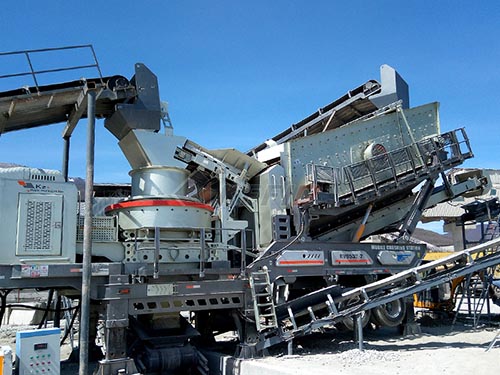
- Automation & PLCs: Programmable Logic Controllers (PLCs) automate startup/shutdown sequences monitor motor amperage (a key indicator of mill load), track bearing temperatures control feeder speeds to maintain optimal load manage safety interlocks
and log production data
- Human-Machine Interface (HMI): Touchscreen panels provide operators with real-time visibility into every aspect of the process allowing for recipe management (for different products) alarm acknowledgment
and historical trend analysis
Key Drivers for Investing in Customization
The significant capital investment in a custom plant is justified by tangible returns across multiple domains:
- Optimized Product Quality: Achieving an exact particle size distribution shape
and consistency that commands a premium price in the market
- Maximized Throughput Efficiency: Eliminating bottlenecks through balanced system design ensuring that no single component limits overall capacity
This leads directly to higher tons-per-hour output
and lower cost-per-ton processed
- Enhanced Operational Reliability & Safety: Designing for robustness with easy access for maintenance built-in safety interlocks explosion venting for combustible dusts
and reduced downtime from equipment mismatches
- Material-Specific Engineering: Successfully processing challenging materials that would choke destroy
or inefficiently pass through a standard mill Examples include:
- Fibrous Materials: Wood chips hemp kenaf Require high torque slotted screens
- Sticky/Ductile Materials: Certain plastics food products meats Require special chamber coatings cryogenic grinding aids)
- Abrasive Materials: Minerals glass electronic waste Demand extreme wear protection in hammers liners
- Heat-Sensitive Materials: Spices pharmaceuticals plastics Need heat management via air flow cryogenic injection)
Applications Across Industries
The versatility of custom hammer mill plants makes them indispensable across diverse sectors: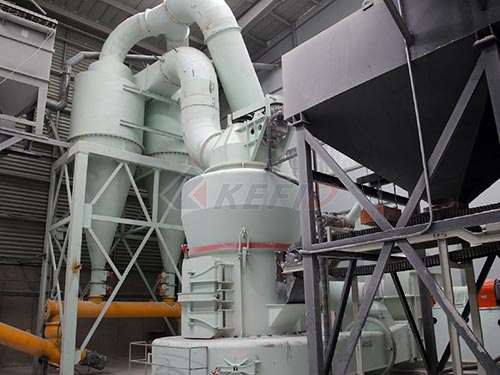
- Biomass & Biofuels: Custom-grinding wood waste agricultural residues energy crops)
to precise specifications for pelletization biogas production cellulosic ethanol)
where bulk density particle size are critical for downstream processes
- Food & Feed Milling: Producing everything from coarse cracked grains for animal feed to super-fine flours spices sugar)
with strict hygiene temperature control PSD requirements
- Chemical & Pharmaceutical Processing: Reducing agglomerates crystalline substances active pharmaceutical ingredients APIs)
in an inert controlled atmosphere to prevent contamination oxidation)
- Waste Recycling & E-Waste Processing: Liberating valuable materials from composite waste streams e-waste circuit boards appliances)
by shredding breaking them down for subsequent separation metals plastics)
*Specialty Minerals & Powders:
Producing fillers extenders pigments from minerals like talc gypsum limestone clay where particle top-size fines content are tightly specified
Conclusion
The decision to invest in a Custom Hammer Mill Processing Plant is fundamentally strategic It transcends selecting machinery based on catalog specifications Instead it embodies an engineering partnership focused on transforming raw idiosyncratic materials into high-value consistent products reliably safely profitably By integrating optimized milling intelligent feeding efficient conveying precise classification comprehensive dust control under an automated umbrella such plants become more than just processing lines they become durable competitive assets capable of meeting today’s complex production demands while remaining adaptable for tomorrow’s challenges
