The Intricate Logistics of Shipping Custom Crushing and Screening Equipment
The mining, quarrying, and aggregate industries are the bedrock of modern infrastructure, providing the essential raw materials for everything from roads and bridges to buildings and monuments. At the heart of these operations lies custom crushing and screening equipment—massive, complex, and highly engineered machinery designed to reduce large rocks and sort materials with precision. However, the formidable capabilities of this equipment on-site are matched only by the immense logistical challenges of getting it to the site. The shipping of custom crushing and screening plants is a specialized discipline within heavy haul logistics, demanding meticulous planning, engineering expertise, and a deep understanding of regulatory frameworks to ensure safe, efficient, and cost-effective transport.
This article provides a comprehensive overview of the processes, challenges, and critical considerations involved in shipping this unique class of industrial assets.
1. Understanding the Cargo: Why Custom Equipment Presents Unique Challenges
Unlike standardized machinery, custom crushing and screening plants are often designed for specific output capacities, material types (e.g., granite, limestone, recycled concrete), and site configurations. This bespoke nature directly impacts their transportability.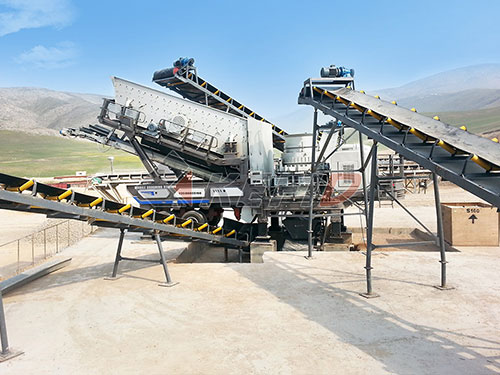
- Sheer Size and Weight: Primary jaw crushers, cone crushers, gyratory crushers, and large-capacity vibrating screens are inherently massive. Individual components can weigh anywhere from 40,000 pounds (18,000 kg) to over 200,000 pounds (90,000 kg). Their dimensions are equally imposing; a single crusher housing or screen box can be over 12 feet (3.6 meters) wide, 14 feet (4.2 meters) high, and 30 feet (9 meters) long.
- High Value and Critical Nature: This equipment represents a multi-million-dollar investment for the owner. Delays in delivery directly translate to lost production time and revenue. Furthermore, these are not simple commodities; they are precision-engineered systems where even minor damage during transit can lead to catastrophic failure or significant downtime upon installation.
- Complexity and Fragility: Paradoxically, these behemoths contain delicate components. Bearings, lubrication systems, hydraulic cylinders, electrical control panels, and screen meshes are vulnerable to shock, vibration, moisture, and improper handling. The equipment must be protected not just from gross structural damage but also from insidious issues like micro-cracks in castings or misalignment of critical parts.
- Irregular Shapes: The geometry of this equipment is rarely conducive to easy stacking or compact transport. Protruding motors feed hoppers conveyor arms create significant overhangs uneven weight distribution
2. The Pre-Transport Phase: Meticulous Planning and Preparation
Success in shipping heavy equipment is determined long before the truck arrives. A rigorous pre-transport phase is non-negotiable.
A) Detailed Site Assessment and Route Survey:
A professional logistics provider will conduct a thorough assessment of both the origin (often a manufacturer’s yard or a previous job site) and the destination (a remote mine or a new quarry). This includes:
- Accessibility: Evaluating road conditions bridge heights turning radii at both sites.
- Infrastructure: Checking the load-bearing capacity of on-site roads docks loading ramps.
- Route Planning: Identifying a viable path from origin to destination This involves meticulous mapping to identify potential obstacles like low bridges weight-restricted roads sharp curves narrow tunnels overhead power lines
B) Engineering Analysis & Permitting:
This is arguably the most critical administrative step Due to the oversized and overweight nature of the cargo standard transportation rules do not apply
- Dimensional & Weight Analysis: Precise measurements certified weights center of gravity calculations are performed
- Permit Acquisition: Specialized permit applications must be submitted to every state province county municipality through which the shipment will pass These permits dictate specific conditions such as travel times typically limited to daylight hours escort vehicle requirements road closures travel on restricted days e.g., not on holidays or weekends
- Route-Specific Engineering: For particularly complex moves structural engineers may be consulted to analyze bridge load capacities along the proposed route ensuring safe passage
C) Cradle-to-Grave Insurance:
Given the high value securing appropriate marine cargo insurance or specialized inland marine insurance is essential This policy should cover all risks from initial lift at origin to final placement at destination including loading unloading transit storage
D) Preparation & Rigging for Shipment:
The equipment itself must be prepared for its journey
- Partial Disassembly: To bring components within legal shipping dimensions it is often necessary to partially disassemble the plant This may involve removing conveyors discharge chutes walkways hydraulic tanks or even splitting main frames
- Securing Internal Components: Internally machinery must be immobilized Locking pins are installed for vibrating units rotors are secured bearings are protected
- Weatherproofing: All openings electrical panels lubrication points are sealed with protective covers tarps or shrink wrap to prevent ingress of dust moisture road salt
- Lifting & Tie-Down Points: Certified lifting lugs engineered tie-down points on the equipment are inspected used to ensure secure fastening to the transport vehicle
3. Execution: Modes of Transport & On-the-Ground Operations
The choice of transport mode depends on distance geography budget project timeline
A) Specialized Trucking (Heavy Haul):
This is most common method for land-based transport within continent
- Trailer Types: Depending on configuration specialized trailers used include:
- Multi-Axle Lowboys: For heavy individual components
- Extendable Flatbeds: To accommodate long pieces like conveyor trusses
- RGN Removable Gooseneck Trailers: Allow for ground-level loading unloading ideal for crawler-mounted plants
- Step-Deck & Double-Drop Trailers: To manage height restrictions
- Escort Vehicles: Pilot cars front rear follow vehicles are mandated by permits provide warning other motorists assist navigator tight spaces
B) Rail Transport:
For very long distances overland rail can be more economical environmentally friendly However it presents own challenges
- Clearance Issues: Rail has strict clearance gauge “plate B” limits dimensions more so than roads
- Intermodal Handling: Equipment must transported truck origin rail yard then loaded onto railcar then offloaded truck final destination Each transfer point introduces risk requires coordination heavy cranes
C) Ocean Freight:
For international shipments ocean freight only viable option Components typically shipped via Roll-on Roll-off RORO vessels loaded under own power if crawler-mounted otherwise using specialized tractors more commonly they shipped as breakbulk cargo loaded onto vessel using cranes secured deck in hold
D) Loading Unloading Operations:
These critical phases require experienced crane operators rigging crews Cranes with sufficient lifting capacity reach established on stable ground Lifting plans reviewed slings chains shackles all certified for load Dynamic loading factors wind sudden movements carefully managed during lift
4. Risk Mitigation & Best Practices
Given complexity inherent risks robust mitigation strategies paramount
- Partner with Specialists: Do not use standard freight broker Engage logistics company proven expertise heavy haul industrial projects They have established relationships state DOTs understand nuances permit acquisition access right equipment
- Communication Protocol: Establish clear single point contact between shipper receiver transport company manufacturer Ensure everyone same page regarding schedules responsibilities contingency plans
- Contingency Planning Despite best-laid plans unexpected events occur—bad weather road closures mechanical breakdowns professional carrier will have contingency plans rerouting backup equipment resources minimize delays
4.GPS Tracking Real-Time Visibility Modern shipments equipped GPS tracking allowing all stakeholders monitor location progress real-time enhances security allows proactive management potential delays
Conclusion
Shipping custom crushing screening equipment far simple task moving boxed product It highly technical field sits intersection engineering project management law The process demands respect complexity cargo unforgiving nature logistics environment Success measured not just delivering machine intact but doing so manner safe efficient preserves value multimillion-dollar asset enables client begin production scheduled Investing time resources selecting qualified experienced heavy haul partner ultimately one most crucial decisions owner can make ensuring their vital equipment arrives ready perform building foundations modern world
