
The global crushing and screening equipment market is a critical backbone of the construction, mining, and aggregate industries. Suppliers in this sector provide the machinery essential for reducing large rocks, ores, and demolition waste into specified sizes and grades, a fundamental process for producing materials for infrastructure, manufacturing, and energy projects. This datasheet provides a detailed, objective analysis of the supplier landscape, technological trends, key selection criteria, and market dynamics. The industry is characterized by a mix of long-established multinational giants and innovative regional specialists, all driving toward greater efficiency, automation, and sustainability.
Crushing and screening are sequential material processing operations. Crushing involves using compressive or impact forces to break down raw feed material. Primary crushers (e.g., jaw crushers) handle the initial reduction, followed by secondary (e.g., cone crushers) and tertiary crushers (e.g., vertical shaft impactors) for finer sizing. Screening separates the crushed material by size using vibrating screens (inclined, horizontal, or multi-slope). The integrated “crushing circuit” is designed for optimal yield of desired product fractions.
Suppliers range from full-line OEMs (Original Equipment Manufacturers) who design and build complete systems to specialized manufacturers of individual components (like screens or wear parts) and distributors/dealers who provide sales and local support.
The supplier ecosystem can be segmented as follows:
A. Full-Line Multinational OEMs:
These corporations offer comprehensive portfolios covering almost every type of crusher, screen, feeder, conveyor, and related system. They compete on global scale, technology R&D, and integrated solutions.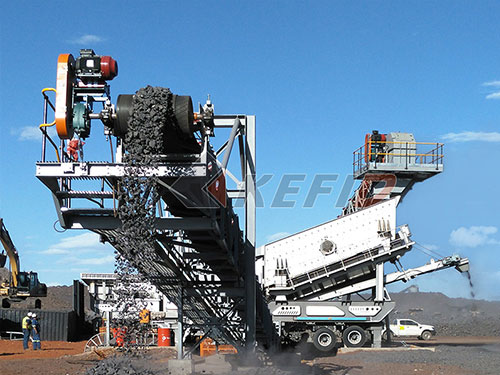
B. Strong Regional/Niche-Focused OEMs:
These suppliers often excel in specific markets or equipment types.
C. Component & Wear Part Specialists:
Companies focusing on high-value consumables that significantly impact operational efficiency.
D. Distributors & Dealers:
A critical layer providing localized sales expertise commissioning services maintenance contracts genuine parts supply on-site technical support etc.. Examples include major dealership networks across all continents serving as the vital link between OEMs end-users.
Suppliers typically offer equipment across these categories:
| Category | Primary Types | Key Applications | Leading Supplier Examples |
|---|---|---|---|
| Stationary Plants | Jaw Crushers Cone Crushers Gyratory Crushers Impact Crushers Vibrating Screens Feeders Conveyors | Large-scale quarries mines permanent aggregate production sites high-volume long-life operations | Metso Sandvik FLSmidth Terex MPS ThyssenKrupp |
| Mobile/Tracked Plants | Track-mounted Jaw/Cone/Impact Crushers Mobile Screens Closed-Circuit Impactors | Contract crushing recycling temporary sites projects requiring frequent relocation urban sites with space constraints | Metso Lokotrack Sandvik Mobile Kleemann McCloskey Eagle Crusher Rubble Master |
| Portable/Wheeled Plants | Wheel-mounted units often with own chassis towable by semi-tractor | Sites where track mobility isn’t needed but plant portability is required between fixed locations | Terex MPS Cedarapids Eagle Crusher KPI-JCI |
| Specialized Screening | Trommel Screens Dewatering Screens High-Frequency Screens Grizzly Scalpers | Topsoil processing aggregates sand & gravel coal recycling scrap C&D waste management etc.. | McCloskey Terex Simplicity Metso Sandvik |
Choosing a supplier extends beyond the machine’s sticker price; it involves evaluating total cost of ownership (TCO).
Suppliers are competing heavily on technological advancement:
Automation Intelligence:
Plant-wide automation systems optimize feed rates crusher settings screen angles maximize throughput minimize energy use prevent blockages overloads etc..
Remote Monitoring Telematics:
IoT-enabled machines allow real-time tracking location production data fuel consumption fault code alerts enabling predictive maintenance reducing unplanned downtime
Hybrid Electric Drive Systems:
Growing focus on diesel-electric hybrid fully electric plug-in mobile plants reducing carbon footprint fuel costs noise ideal for urban operations indoor recycling facilities
Advanced Wear Materials Designs:
Use of premium alloys composite materials improved metallurgy geometries extend wear part life directly lowering operating costs improving product consistency
Modularity Flexibility:
Modular plant designs allow easier reconfiguration expansion as production needs change reducing future capital outlay
Drivers:
Challenges:
The crushing screening equipment supplier industry is evolving from pure hardware manufacturing toward being providers integrated productivity solutions.The successful suppliers will be those who combine robust reliable machinery with digital services data-driven insights sustainable power options unparalleled aftermarket support.The trend towards more connected autonomous efficient environmentally sensitive sites will accelerate favoring suppliers investing heavily R&D these areas.For buyers conducting thorough due diligence focusing TCO technological roadmap local support capabilities will be paramount securing reliable productive partnership right supplier ultimately key operational success competitive edge years come
Lorem ipsum dolor sit amet, consectetur adipisicing elit. Consectetur sequi saepe ut sunt eveniet perferendis excepturi, iste obcaecati. Qui tempore hic sed quia soluta obcaecati vel.