Crushing and Screening Equipment: A Comprehensive Guide to ODM Manufacturing and Pricing Dynamics

In the global construction, mining, and aggregate industries, crushing and screening equipment forms the backbone of material processing. The market for this essential machinery is vast and competitive, with Original Design Manufacturing (ODM) playing an increasingly pivotal role. For buyers—from large mining conglomerates to mid-sized quarry operators—navigating the landscape of ODM manufacturer prices requires a deep understanding of technical specifications, cost drivers, and market dynamics. This article provides a professional and objective analysis of crushing and screening equipment from the ODM perspective, examining the factors that influence pricing and the value proposition these manufacturers offer.

Understanding the ODM Model in Heavy Machinery

Unlike Original Equipment Manufacturers (OEMs) who design, brand, and sell their own products, or Original Design Manufacturers (ODMs) who design and manufacture products that are eventually branded and sold by another company. In the context of crushing and screening equipment, an ODM partner possesses its own engineering expertise, design capabilities, and production facilities. They develop proprietary models or customizable platforms that their clients (often regional distributors or emerging brands) can purchase under a private label.

This model offers significant advantages:

  • Cost Efficiency: By eliminating massive global branding, marketing, and extensive sales network costs, ODMs can offer highly competitive prices.
  • Customization Flexibility: ODMs often excel at modifying base designs to meet specific client requirements regarding feed size, output capacity, or unique material characteristics.
  • Speed to Market: Clients can launch a product line without the decade-long R&D investment typically associated with flagship OEM brands.
  • Focus on Core Engineering: Leading ODMs invest heavily in engineering talent, material science, and manufacturing processes rather than global advertising.

Key Equipment Categories & Technical Considerations

Pricing is intrinsically linked to technical capability. The main categories include:

  1. Primary Crushers (Jaw & Gyratory): These are workhorses designed for the initial size reduction of run-of-mine ore or quarry rock. Prices are heavily influenced by:

    • Capacity (TPH – Tons Per Hour): Ranging from 50 TPH mobile units to 1,500+ TPH stationary giants.
    • Material & Build Quality: Manganese steel grades for wear parts, robustness of the frame (welded steel cast vs. fabricated).
    • Drive System & Power Requirements: Diesel-electric vs. direct diesel hydraulic systems impact both unit cost and operational expense.
  2. Secondary & Tertiary Crushers (Cone & Impact Crushers): Used for further refinement. Cone crushers are prized for abrasive materials; impactors excel at producing shaped aggregates.

    • Technology Level: Advanced features like automatic setting regulation (ASRi), hydraulic clearing systems, and chamber optimization software add cost but improve uptime and product consistency.
    • Versatility: Multi-chamber configurations or hybrid designs command a premium.
  3. Screening Equipment (Vibrating Screens – Inclined, Horizontal & Multi-Frequency): Critical for classifying material by size.Crushing And Screening Equipment ODM Manufacturer Prices

    • Screen Deck Area & Layer Count: More surface area and layers increase capacity and sorting precision.
    • Vibration Mechanism & Bearings: Quality of the exciter mechanism and bearing life are major price determinants.
    • Screen Media Type: Polyurethane panels vs. rubber vs. woven wire mesh have different cost profiles and longevity.
  4. Mobile Tracked & Wheeled Plants: The fastest-growing segment integrates crushers and screens on a single chassis.

    • Mobility Engineering: Complexity of the track system/hydraulics.
    • Integration Intelligence: Sophisticated plant-wide control systems for optimal flow and diagnostics.
    • Regulatory Compliance: Emission standards (Tier 4 Final/Stage V) for engines significantly impact price.

Primary Factors Influencing ODM Manufacturer Prices

The price quote from an ODM is not arbitrary; it is a function of calculable inputs:

  1. Raw Material Costs: Steel is the primary constituent. Fluctuations in global steel prices directly affect equipment costs. High-grade alloy steels for wear parts are a major variable.
  2. Core Components & Provenance: An ODM using premium-branded bearings (SKF, FAG), hydraulic components (Rexroth, Kawasaki), motors (Siemens), or PLCs adds reliability but also cost compared to using generic alternatives.
  3. Engineering Complexity & IP: A manufacturer with patented crushing chamber designs (e.g., asymmetric rotors for impactors) or innovative screen motion patterns can command higher prices due to superior performance metrics like product shape or screening efficiency.
  4. Manufacturing Process & QC Investment: Factories with automated CNC cutting/welding lines robotic welding advanced non-destructive testing procedures incur higher overheads but deliver superior build consistency This reduces clients’ lifecycle costs through fewer failures
  5. Scale of Order & Commercial Terms:
    • Volume Discounts: A single machine order will have a much higher unit price than a fleet purchase for a large project
    • Payment Terms: LC at sight vs longer payment terms affect the manufacturer’s risk profile
    • Incoterms: FOB China port price is vastly different from CIF destination port or DDP site delivery which includes logistics insurance duties
  6. Customization Level:
    • Standard Catalog Model: Lowest price
    • Modified Standard e g different conveyor lengths added dust suppression: Moderate premium
    • Fully Customized Plant Designed For Specific Material And Site Constraints Highest Price Due To Dedicated Engineering Hours

Price Range Estimates & The Value Proposition

Providing exact figures is impractical due to volatility but indicative ranges illustrate scale:Crushing And Screening Equipment ODM Manufacturer Prices
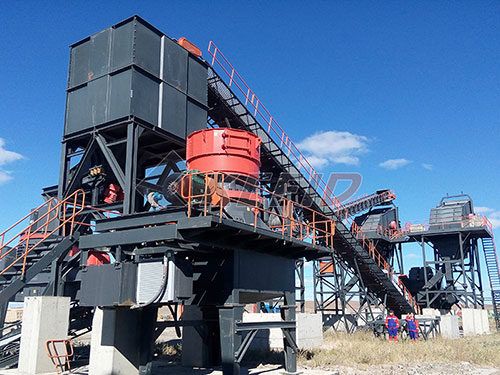
  • A small to mid-sized mobile jaw crusher plant from an established Chinese ODM might range from $150 000 – $400 000 FOB
  • A high-capacity stationary cone crusher line with screens conveyors could be $500 000 – $1 .5 million+
  • A complete multi-stage tracked crushing screening circuit can exceed $2 million

The critical evaluation must move beyond initial CAPEX Lifecycle Cost Analysis LCCA is paramount An objectively cheaper machine may have:

  • Higher Wear Part Consumption Cost Per Ton : Inferior metallurgy design
  • Lower Energy Efficiency : Poorly optimized drive systems
  • More Downtime : Simpler less reliable components leading to lost production

Therefore smart buyers engage with ODMs who transparently share data on:

  • Predicted wear part life in specified abrasive indices
  • Specific power consumption kWh per ton
  • Designed serviceability features mean time to repair MTTR

Navigating The Selection Process Due Diligence Is Key

To ensure value when evaluating ODM suppliers clients must conduct thorough due diligence:

1 Visit The Factory Virtually Or In Person Assess manufacturing capability quality control labs welding standards inventory management
2 Scrutinize The Component List BOM Bill Of Materials Identify key component brands versus no name substitutes
3 Demand Reference Sites Contact existing clients preferably in similar applications ask about performance reliability after sales support spare parts availability
4 Analyze The Support Ecosystem Does The ODM offer comprehensive technical documentation training field service engineers readily available spare parts inventory Warranty terms length scope are crucial
5 Understand Intellectual Property IP Rights Ensure designs do not infringe on patents which could cause legal issues supply chain disruptions later

Conclusion Balancing Price Performance And Partnership

The market for crushing screening equipment from ODM manufacturers presents compelling opportunities for significant capital cost savings without necessarily sacrificing quality The price spectrum is wide reflecting vast differences in materials engineering component choice service support Ultimately procurement decisions should be based on total cost of ownership TCO rather than sticker price alone

The most successful partnerships between global buyers reputable ODMs are built on transparency shared performance goals robust contractual frameworks covering performance guarantees spare parts supply By focusing on these principles alongside a clear understanding of technical specifications buyers can leverage the ODM model to secure high value reliable equipment that delivers optimal productivity ensuring their projects mines quarries operate efficiently profitably in an increasingly competitive world

Lorem ipsum dolor sit amet, consectetur adipisicing elit. Consectetur sequi saepe ut sunt eveniet perferendis excepturi, iste obcaecati. Qui tempore hic sed quia soluta obcaecati vel.