The Engine of Progress: R&D in the Crushing and Screening Equipment Manufacturing Industry
The global crushing and screening equipment market, a cornerstone of the construction, mining, and aggregate industries, is driven by relentless forces: the demand for raw materials, the push for sustainable infrastructure, and the imperative for operational efficiency. At the heart of this dynamic sector lies Research and Development (R&D), the critical engine that transforms raw engineering concepts into the robust, intelligent machines that shape our built environment. For manufacturers, R&D is not merely a department but a strategic philosophy encompassing material science, mechanical design, automation, and environmental stewardship. This article delves into the multifaceted world of R&D within crushing and screening equipment manufacturing, exploring its key drivers, focal areas, challenges, and future trajectory.
The Strategic Imperative of R&D
In a competitive market with long equipment lifecycles, manufacturers cannot rely on incremental improvements. Comprehensive R&D is essential for:
- Competitive Differentiation: Developing proprietary technologies (e.g., patented crushing chambers, unique screenbox motions) creates unique selling propositions.
- Meeting Evolving Customer Demands: End-users demand higher throughput, lower cost per ton, enhanced mobility, and easier maintenance.
- Regulatory Compliance: Stricter global emissions standards (EPA Tier 4 Final/Stage V) and health & safety regulations necessitate clean-engine technology and safer machine designs.
- Sustainability Goals: Reducing energy consumption, noise pollution, and waste while enabling greater use of recycled materials are central to modern R&D agendas.
Core Pillars of Modern R&D Programs
1. Advanced Mechanics & Material Science:
The fundamental challenge remains: applying immense force to reduce material size while withstanding extreme abrasion and impact. R&D here focuses on:
- Wear Part Innovation: Developing new manganese steel alloys, composite materials (like ceramic inserts), and advanced metallurgical processes to extend liner life. Research into asymmetric wear profiles and self-sharpening designs optimizes performance.
- Crusher Kinematics & Chamber Design: Computational Fluid Dynamics (CFD) and Discrete Element Modeling (DEM) simulate material flow within jaw crushers, cone crushers (e.g., hydroset systems), and impactors. This allows for optimizing eccentric throw, speed, and chamber geometry for maximum reduction efficiency and product shape control.
- Structural Integrity & Lightweighting: Finite Element Analysis (FEA) ensures structural components withstand cyclical loads without failure. Simultaneously, using high-strength steels reduces weight for improved portability and fuel efficiency.
2. Automation & Intelligent Control Systems:
The digital transformation is revolutionizing equipment from passive tools into connected assets.
- Process Optimization & Crusher Automation: Systems like ASRi (Automatic Setting Regulation) on cone crushers use real-time feedback on power draw and pressure to automatically adjust the closed-side setting (CSS) for optimal throughput and product size.
- Predictive Maintenance & Telematics: Integrating sensors for bearing temperature, vibration analysis (vibration sensors on screens), oil condition monitoring allows algorithms to predict failures before they occur. Telematics platforms provide fleet managers with data on location, production rates, idle time, and fuel consumption.
- Machine Vision & AI: Emerging R&D explores using cameras and AI to analyze feed material size/distribution in real-time or to assess stockpile volumes autonomously.
3. Mobility & Plant Configuration Flexibility:
Market needs range from massive stationary quarries to rapid-deployment urban recycling sites.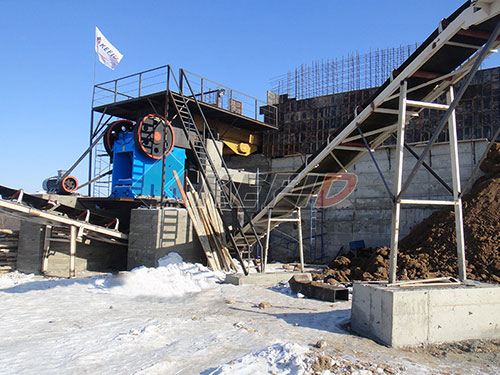
- Track-Mounted Plants: R&D focuses on powerful yet compact designs with quick setup times (“plug-and-play” hydraulics/electrics), superior ground clearance/crushing angles.
- Hybrid & Electric Drives: Developing fully electric plug-in crushers/screens for zero-emission operation in sensitive areas (e.g., tunnels) is a major frontier. Hybrid systems that combine diesel generators with electric crusher drives offer fuel flexibility.
- Modular Plant Design: Creating standardized yet highly configurable modules that can be easily transported by road/sea allows rapid scaling of capacity.
4. Sustainability & Environmental Performance:
R&D directly addresses the industry’s environmental footprint:
- Dust Suppression & Noise Abatement: Engineering advanced sealing systems integrated with water-spray or foam-dust suppression technologies without compromising performance. Designing sound-damped enclosures using composite materials reduces operational noise significantly.
- Energy Efficiency: Optimizing drive-line mechanics reduces friction losses; variable-speed drives match motor output precisely to load demand; efficient screen exciters minimize power draw per ton screened.
- Circular Economy Enablement: Designing equipment specifically for processing Construction & Demolition (C&D) waste—with features like overband magnets for ferrous metal removal/wind sifters—supports material recycling loops.
The Integrated R&D Process
A leading manufacturer’s R&D cycle is systematic:
- Concept & Feasibility: Driven by market intelligence/customer feedback; involves brainstorming sessions using CAD sketches/concept studies/DEM simulations.
- Design & Simulation: Detailed 3D modeling followed by rigorous virtual testing via FEA/DEM/CFD simulating millions of crushing cycles under various load cases before any metal is cut—this “Digital Twin” approach drastically reduces physical prototyping costs/timeframes while improving reliability dramatically upfront!
- Prototyping & Field Testing: Building functional prototypes subjected first-to-laboratory testing then-to-controlled field trials at partner sites under strict NDAs gathering invaluable real-world data about wear patterns/performance metrics/etcetera which feeds back into design iterations continuously throughout development phases until final validation occurs successfully meeting all target specifications set forth initially during project kickoff meetings held quarterly between engineering teams worldwide collaborating together seamlessly across borders thanks largely due modern communication tools available today making such global cooperation possible unlike ever before historically speaking when geographical barriers hindered progress significantly slowing down innovation pace considerably compared now where ideas flow freely instantaneously around globe fostering unprecedented levels creativity within industry overall benefiting everyone involved ultimately including end-users who receive better products faster than ever imagined possible just decade ago truly remarkable achievement worth noting here explicitly given its importance contextually speaking regarding topic hand namely crushing screening equipment manufacturer r d efforts generally speaking across board regardless company size location etcetera…
- Launch & Continuous Improvement: Post-launch monitoring via telematics provides continuous feedback used by engineers refining next-generation models while also issuing software updates improving existing machines’ performance remotely—a paradigm shift enabled by connectivity!
Challenges in Equipment R&D
Despite technological advances significant hurdles remain including balancing trade-offs between robustness versus weight complexity versus reliability initial capital cost versus total cost ownership also stringent regulatory landscapes differing across regions complicating global platform development strategies furthermore recruiting retaining specialized talent skilled mechanical electrical software engineering poses ongoing challenge given competition from other high-tech industries lastly long development cycles requiring substantial upfront investment before seeing return necessitates strong commitment from corporate leadership sustaining funding through economic downturns when capital expenditure often gets cut first jeopardizing future pipeline inadvertently potentially causing loss competitive edge longer term perspective considered holistically over full business cycle duration typical heavy machinery sector characterized inherently…
Future Trajectory: The Next Frontier
The future will see convergence between mechanical engineering/data science leading towards fully autonomous crushing circuits capable self-optimizing based changing feed conditions weather forecasts energy pricing schedules predictive maintenance becoming prescriptive maintenance where system automatically orders replacement parts schedules service downtime advanced material science may introduce smart liners embedded sensors communicating wear levels directly cloud blockchain technology could enable secure sharing usage data facilitating new business models like “crushing-as-a-service” furthermore hydrogen fuel cells may emerge viable zero-emission power source remote locations beyond grid reach ultimately r d function must remain agile embracing cross-disciplinary collaboration ensure manufactured equipment not only meets demands tomorrow but also anticipates needs day after tomorrow securing both commercial success sustainable future planet alike…
In conclusion within crushing screening equipment manufacturing r d represents vital lifeline translating challenges resource extraction construction recycling opportunities innovation growth through synergistic combination advanced mechanics digital intelligence environmental consciousness manufacturers invest deeply this area will continue lead industry defining standards performance efficiency sustainability years come solidifying position indispensable partners building foundational infrastructure modern society rests upon truly making it engine progress literal metaphorical sense alike
