
Gauteng, South Africa’s economic powerhouse, is a province in a perpetual state of development and renewal. Its skyline, dominated by the skyscrapers of Johannesburg and Pretoria, and its sprawling infrastructure network of roads, highways, and residential estates all share a common, foundational dependency: high-quality construction aggregates. At the heart of this supply chain lies a critical material known as Crusher Run, and the quarries that produce it are essential to the province’s growth. This article provides a comprehensive examination of Crusher Run quarry operations within Gauteng, exploring the material’s properties, its extensive applications, the quarrying process within this specific geological context, the economic and environmental considerations, and the prevailing market dynamics.
Crusher Run, known technically as Graded Base Course (GBC) or often referred to locally as ‘Dump Rock’ in its pre-crushed form, is an unscreened aggregate mixture. It is produced directly from the primary crushing stage in a quarry and contains a precise blend of coarse aggregates (stones) and fine aggregates (quarry dust or sand). The key to its performance lies in this specific gradation.
A standard Crusher Run specification typically includes particles ranging from a maximum size of 37.5mm down to dust. When compacted, the smaller particles and fines effectively fill the voids between the larger stones, creating a dense, stable, and highly interlocked matrix. This results in several crucial engineering properties:
The extraction and processing of Crusher Run in Gauteng are heavily influenced by the province’s unique geology. The region is underlain primarily by hard, durable rocks of the Witwatersrand Supergroup (quartzites), Ventersdorp Supergroup (lava), and Transvaal Supergroup (dolomite).
a) Geology and Site Selection: Quarries are strategically located where viable deposits of these hard rock formations are accessible. Dolomite quarries require extreme caution due to the potential for sinkhole formation, leading to extensive geotechnical investigations before any mining commences.
b) Extraction: The process begins with drilling and blasting to fragment the massive bedrock into manageable pieces. Controlled blasting techniques are employed to minimize environmental impact on surrounding communities.
c) Primary Crushing: The blasted rock (‘Dump Rock’) is transported to a primary crusher—typically a jaw crusher—which reduces it to sizes generally under 200mm.
d) Secondary Crushing and Blending: This material is then fed into a secondary crusher (such as a cone or impact crusher) which breaks it down further. It is at this stage that Crusher Run is produced. The crushed material is conveyed directly to a stockpile without screening. The natural variation in size from the crushing process creates the desired blend of stone and fines.
e) Quality Control: Reputable quarries in Gauteng adhere strictly to South African National Standards (SANS), particularly SANS 1083 for construction aggregates. Regular sampling and testing ensure the product consistently meets specified gradation and mechanical property requirements.
The demand for Crusher Run in Gauteng is inextricably linked to its construction boom.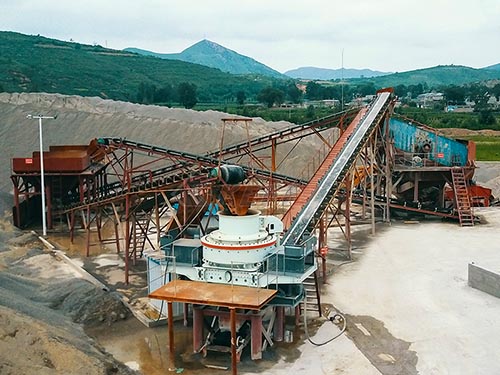
The quarry industry is a vital component of Gauteng’s economy.
Quarryingis inherently disruptive,and operationsin adensely populatedprovince likeGautengface intense scrutiny
Noiseand Dust Control:Blasting crushingand vehicular movementgenerate significant noiseand dustModern quarriesimplement mitigation measuressuchas water spray systemsdust suppression chemicalsacoustic barriersand strictoperating hoursto minimize impacton neighboring communities
Water Management:Stormwater runofffrom quarry sitesmust be carefully managedthrough sedimentation pondsto prevent siltationof nearby riversand streamsThisis criticalfor protectingGauteng’s already stressedwater resources
Rehabilitationand Biodiversity:Progressive rehabilitationis amandatory partof themining rightQuarriesare requiredto rehabilitateworked-out sectionsThis caninvolve landscapingcreating water bodiesor repurposingthe landfor recreationalor commercial useBiodiversity management plansaimto protectfloraand faunawithinthe property
Visual Impactand Land Use Conflict:Quarriescan be visually intrusiveThe industryaddressesthis throughstrategic plantingof screen vegetation
ThemarketforCrusherRuninGautengis competitivewithnumerousquarriesoperatedby bothlarge multinationalcompanies(egPPCLafargeAfriSam)and smaller independent operatorsKey dynamics include:
Logisticsand Transport Costs:The costof transportingheavyaggregatesoften exceedsthe productcost itselfThereforequarriesare strategicallylocatedas closeas possibleto majorconstructionhubsinJohannesburgPretoriaEkurhuleniandthe West Randto minimize haulage distances
Regulatory Compliance:Quarriesoperateunderstrictconditionsfromthe Departmentof Mineral Resourcesand Energy(DMRE)and mustcomplywithstringent environmentalhealthandsafetyregulations
Urban Encroachment:As citiesexpandformerly remotequarriesfind themselves surroundedby urban developmentThis leads toncreased complaintsabout noiseblastingtimes dust trafficcongestionmakingit difficultto obtainnew mining rightsor expandexisting operations
Future Trends:
1 Resource Depletion:Viable depositsof hard rockwithin economically viable haulage distancesare becoming scarce
2 Recycling:Thereis agrowing trendtowardsusingrecycledconstructionand demolitionwaste(C&D)as asubstituteforvirginCrusherRunparticularlyin roadbase applicationsThis helpsconserve naturalresourcesandreduceslandfill waste
3 Technological Advancements:Crushingplantsare becomingmore efficientwith automatedsystemsimprovingyieldreducingenergyconsumptionandenhancingdust control
CrusherRunis morethanjustapileofcrushedrock;itistheunsungheroofGauteng’sinfrastructureItsunassumingblendofstoneandfinesprovidesthestabilityuponwhichtheprovince’stransportnetworkbuildingsandeconomicvitalityarebuiltThequarriesthatproduceitinGautengagexistattheintersectionofgeologyengineeringeconomicsandenvironmentalstewardshipWhiletheyface significantchallengesrelatedtourbanencroachmentandenvironmentalpressurestheirroleisfundamentalAsGautengcontinuestogrowandevolvethedemandforthisessentialmaterialwillpersistdrivinginnovationinrecyclingoperationalefficiencyandsustainablepracticestoensurethatthephysicalfoundationoftheprovinceremainsfirmfortheforeseeablefuture
Lorem ipsum dolor sit amet, consectetur adipisicing elit. Consectetur sequi saepe ut sunt eveniet perferendis excepturi, iste obcaecati. Qui tempore hic sed quia soluta obcaecati vel.