
In the realm of residential and light commercial paving, property owners are increasingly seeking alternatives that balance cost, durability, and environmental responsibility. Among the various options available, crushed concrete has emerged as a prominent and compelling choice for driveway construction. Once considered merely construction waste, recycled concrete aggregate (RCA) is now recognized as a high-performance material that offers a suite of distinct advantages. This article provides a detailed, objective examination of crushed concrete driveways, covering their composition, benefits, potential drawbacks, installation process, and long-term maintenance, empowering you to make an informed decision for your property.
Crushed concrete, formally known as Recycled Concrete Aggregate (RCA), is precisely what its name implies: demolished concrete structures—such as sidewalks, building slabs, curbs, and old pavement—that have been processed through a crushing machine. The crushing process typically involves multiple stages to break down the large chunks into usable aggregate sizes. It is often passed through a screening plant to remove contaminants like rebar, wire mesh, and other debris. The final product is an angular, rough-textured gravel that locks together firmly when compacted.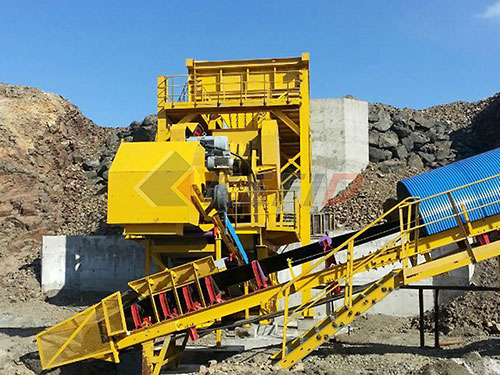
The material is graded similarly to virgin aggregate, with common sizes for driveway applications including:
The rise in popularity of crushed concrete driveways is not without reason. The benefits are multifaceted, spanning economic, environmental, and performance-related factors.
1. Significant Cost Savings:
This is often the primary driver for choosing crushed concrete. The material itself is substantially less expensive than virgin gravel or quarried stone because it bypasses the energy-intensive mining and processing required for new aggregate. Furthermore, since it utilizes existing waste streams sourced locally from demolition projects, transportation costs are often lower compared to hauling materials from distant quarries. On average, homeowners can expect to save 30% to 50% compared to the cost of an asphalt driveway and even more when compared to poured concrete.
2. Superior Environmental Credentials:
Crushed concrete stands as a paragon of sustainable construction practices.
3. Exceptional Durability and Stability:
Contrary to some misconceptions about “recycled” materials properly installed crushed concrete is exceptionally durable. The angular nature of the particles allows them to interlock tightly under compaction creating a stable semi-rigid surface that resists shifting rutting and washouts far better than rounded gravels like pea gravel Its inherent hardness derived from its original cement paste matrix makes it highly resistant to weathering and traffic loads
4. Excellent Drainage Properties:
A well-compacted crushed concrete driveway acts as an effective permeable pavement system Water can percolate through the surface recharging groundwater aquifers directly rather than contributing to stormwater runoff This helps mitigate local flooding issues reduces the need for complex drainage systems and can even contribute towards LEED certification points for sustainable sites
5. Versatility in Application:
Beyond serving as an excellent finished surface for driveways crushed concrete is widely regarded as one of the best materials for a stable sub-base beneath asphalt or poured concrete pavements Its stability provides a formidable foundation that can extend the lifespan of the final paving surface by preventing subsurface settlement
To maintain objectivity it is crucial to address the potential limitations associated with crushed concrete driveways
1 Variable Material Quality:
The quality of RCA can vary depending on its source A reputable supplier will process the material thoroughly removing contaminants like gypsum drywall asphalt wood or plastic However inferior processing can leave behind these impurities which may compromise compaction or long term stability It is imperative to source material from a trusted recycler
2 Dust Generation:
Like any unpaved gravel surface crushed concrete will generate dust particularly in dry conditions and under vehicle traffic This can be mitigated with regular watering or the application of dust suppression agents such as calcium chloride or lignin sulfonate but it remains an ongoing consideration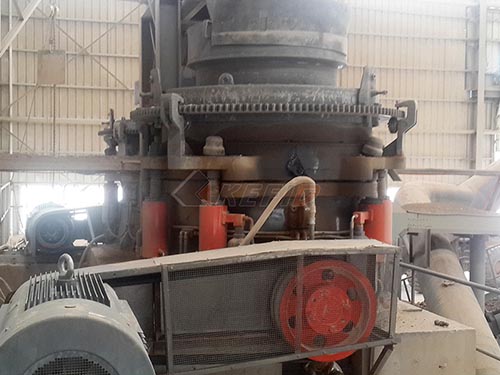
3 Initial Loose Surface:
Before it fully settles and compacts under traffic and weather the top layer may remain loose making it less ideal for high heeled shoes or for young children learning to walk Periodic topping up with fresh material may be required during the first year as initial settlement occurs
4 Aesthetic Considerations:
The appearance of crushed concrete is industrial rustic It lacks the uniform color smooth finish or formal elegance of stamped concrete or pavers While some appreciate its no nonsense utilitarian look others may find it less appealing for a home s primary curb appeal The color can vary from light gray to darker hues depending on the source concrete
A successful long lasting crushed concrete driveway hinges on proper installation While similar to other gravel driveways attention to detail is critical
1 Planning Permitting: Check with local municipality regulations regarding driveway construction setbacks impervious surface limits and any required permits
2 Excavation Sub Grading: The area is excavated to a depth typically between 8-12 inches depending on soil conditions The native soil subgrade must be properly graded sloped at least 1-2% away from structures for drainage and compacted
3 Geotextile Fabric Installation: Laying a non woven geotextile fabric over the compacted subgrade is highly recommended This fabric acts as a barrier preventing the crusher run material from mixing with soft subsoil while still allowing water to pass through dramatically improving longevity
4 Sub Base Layer: A layer of larger surge stone or coarse RCA 4-6 inches thick is placed rolled compacted This provides foundational strength
5 Base Layer Crusher Run CR : Several inches typically 4-6 inches of CR are spread in lifts layers not exceeding 6 inches each Each lift must be thoroughly moistened watered and compacted with a vibratory roller or plate compactor This creates the dense stable base
6 Top Layer Optional : For enhanced aesthetics drainage performance some installers add final layer inch clean stone which produces less dust presents more uniform look
7 Edging Containment: Installing solid edging made steel plastic creates clean defined border prevents lateral spreading gravel over time preserving integrity driveway shape
Maintenance straightforward but essential periodic task involves raking displaced gravel back center driveway refilling low spots ruts with fresh material annual basis Application dust control products necessary manage airborne particles In regions hard freezes frost heave may cause minor shifting require springtime leveling topping
Crushed concrete driveways represent pragmatic intelligent solution modern property owner They offer compelling combination proven performance significant cost savings undeniable environmental benefits While they may not possess polished aesthetic their competitors their functional advantages stability permeability durability make them formidable option For homeowners contractors prioritize sustainability budget consciousness without sacrificing quality performance recycled concrete aggregate stands viable often superior alternative traditional paving materials By understanding its properties ensuring professional installation committing simple maintenance regimen you can secure durable attractive driveway serves well decades come
Lorem ipsum dolor sit amet, consectetur adipisicing elit. Consectetur sequi saepe ut sunt eveniet perferendis excepturi, iste obcaecati. Qui tempore hic sed quia soluta obcaecati vel.