
The cone crusher stands as one of the most pivotal and efficient pieces of equipment in the mineral processing and aggregate production industries. Its fundamental purpose is to reduce large rocks and ores into smaller, specific-sized particles through compressive force. In today’s globalized industrial landscape, procurement channels for such heavy machinery have evolved significantly. Online B2B marketplaces, most notably Alibaba.com, have become central hubs connecting manufacturers with buyers worldwide. This article provides a comprehensive examination of the cone crusher—its working principles, types, applications, and key considerations—while contextualizing its presence and procurement through platforms like Alibaba.
At its core, a cone crusher operates on a relatively simple but highly effective principle: continuous compression. Unlike the impact-based fragmentation of a hammer mill or the single-toggle action of a jaw crusher, a cone crusher reduces material in a gyratory, compressive chamber.
The primary components include:
The operational cycle begins with material being fed into the top of the crusher. As it travels downward, it is repeatedly compressed between the gyrating mantle and the stationary concave. Each time the material is compressed, it fractures along its natural cleavage lines until it becomes small enough to pass through the narrowest gap between the mantle and concave, known as the Closed Side Setting (CSS). The CSS is the primary determinant of the crusher’s product size; a smaller CSS yields a finer output.
Cone crushers have evolved through several generations, leading to three main types distinguished by their overload protection and adjustment mechanisms.
A. Spring Cone Crusher
This is the earliest design. Its overload protection is provided by a series of springs surrounding the machine. If uncrushable material (like tramp iron) enters the chamber, the springs allow the mantle to compress them and lift, permitting the foreign object to pass through without catastrophic damage to the crusher. While robust and cost-effective for less demanding applications, spring crushers offer less precise control over product size and are generally less efficient than modern hydraulic models.
B. Hydraulic Cone Crusher
This represents a significant technological advancement and is now considered industry standard for most medium-to-hard rock applications. Hydraulic systems replace mechanical springs for several critical functions:
Hydraulic cone crushers are further subdivided into:
C. Compound Cone Crusher
This type is essentially a hybrid design that incorporates features from both spring and hydraulic systems—typically using springs for overload protection but with some hydraulic assistance for adjustment or clearing. It serves as an economical mid-range option between pure spring and full-hydraulic models.
The versatility of cone crushers makes them indispensable in several sectors:
Platforms like Alibaba.com have fundamentally transformed how businesses source equipment like cone crushers They act as vast digital marketplaces connecting thousands of manufacturers primarily from China with global buyers Here’s how this ecosystem functions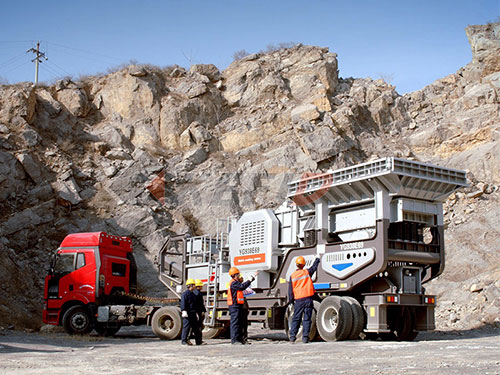
For Buyers Alibaba offers
Accessibility A single platform provides access to hundreds suppliers models specifications eliminating geographical barriers
Competitive Pricing Direct interaction with manufacturers often leads more competitive pricing compared traditional distributors
Customization Many suppliers on Alibaba offer customization options wear parts motor specifications paint color branding
Information Transparency Detailed product listings specifications brochures videos facilitate initial comparison shortlisting
For Suppliers Manufacturers Alibaba provides
Global Reach An unprecedented channel showcase products international audience previously unreachable
Lead Generation Platform generates high volume inquiries leads expanding sales pipeline
Brand Building Allows established emerging brands build their reputation through verified transactions customer reviews
However navigating this marketplace requires diligence Not all suppliers offer same level quality reliability service Key considerations when sourcing via Alibaba include verifying supplier credentials checking years transaction history reading customer reviews carefully scrutinizing product certifications requesting detailed technical documentation arranging third-party factory inspections whenever possible before finalizing large purchase
When evaluating cone crushers whether on Alibaba directly from manufacturer several technical operational factors must be prioritized over initial purchase price alone Total Cost Ownership TCO paramount consideration TCO influenced by following factors
Material Hardness Abrasiveness Determines required power liner material manganese steel chrome iron optimal choice wear life
Desired Product Size Shape Affects choice model chamber design CSS range Certain models produce more cubical product desirable asphalt concrete
Required Capacity Throughput Measured tons per hour tph Must align plant overall production goals
Power Source Availability Electric diesel-hydraulic depending site infrastructure mobility requirements
After-Sales Service Parts Availability Crucial minimizing downtime Ensure supplier can provide timely delivery genuine wear parts spare components technical support potentially local service agents Training operators maintenance staff another critical aspect often overlooked during procurement process Operational costs including energy consumption liner replacement frequency major contributors TCO High-efficiency motor durable liners may carry higher upfront cost but yield significant long-term savings reduced downtime lower power bills longer intervals between liner changes Modern cone crushers increasingly incorporate automation systems provide real-time monitoring performance metrics feed control automatic setting adjustment These features optimize production ensure consistent product quality protect machine from damage enhancing overall profitability operation Environmental considerations also growing importance Dust suppression noise control systems becoming standard expectations many jurisdictions modern designs focus improved energy efficiency reducing environmental footprint operations
The cone crusher remains an engineering marvel essential productivity profitability aggregate mining industries Its evolution from simple spring-based designs sophisticated hydraulic machines reflects continuous pursuit efficiency reliability precision As global demand construction materials minerals continues grow so does reliance these robust machines Platforms like Alibaba democratize access this technology empowering small large enterprises alike source equipment directly global manufacturers However successful procurement operation hinges deep understanding machine’s technical principles careful evaluation application needs rigorous supplier vetting Ultimately strategic investment right cone crusher supported strong service partnership proven pathway achieving sustainable competitive advantage demanding industrial landscape
Lorem ipsum dolor sit amet, consectetur adipisicing elit. Consectetur sequi saepe ut sunt eveniet perferendis excepturi, iste obcaecati. Qui tempore hic sed quia soluta obcaecati vel.