Commercial Top Ten Stone Crusher Machine Samples: A Technical and Operational Analysis
The global construction and mining industries rely fundamentally on the efficient reduction of raw rock into usable aggregate. At the heart of this process lies the stone crusher machine, a critical piece of equipment whose selection directly impacts productivity, product quality, and operational profitability. This article provides a detailed, objective analysis of ten commercially prominent stone crusher machine samples, examining their operating principles, optimal applications, and key commercial considerations for potential buyers.
Introduction: The Role of Crushing in Aggregate Production
Stone crushing is a multi-stage process where large rocks (run-of-mine or quarried) are progressively reduced to smaller sizes—from coarse aggregates for concrete and road base to fine sands and manufactured sand (M-Sand). The choice of crusher is dictated by the feed material’s properties (abrasiveness, hardness, silica content), required product size and shape, and production capacity needs. No single crusher type is universally optimal; modern plants utilize a combination of machines in primary, secondary, tertiary, and sometimes quaternary stages.
Analysis of Top Ten Commercial Crusher Types
Here we explore ten distinct types of stone crushers that dominate commercial markets worldwide.
1. Jaw Crusher
- Operating Principle: Utilizes compressive force. A fixed jaw and a reciprocating moving jaw create a V-shaped cavity. Rock is crushed as the moving jaw exerts force against the stationary one.
- Key Commercial Models: Metso Nordberg® C Series, Sandvik CJ Series, Terex Jaques.
- Applications: Primary crushing of hard, abrasive materials like granite and basalt. Ideal for stationary plants and mobile tracked units.
- Advantages: Simple, robust design; high reliability; low maintenance costs; handles large feed size.
- Limitations: Product shape tends to be slabby; higher wear in abrasive applications compared to gyratories; cyclical loading can cause vibration.
2. Gyratory Crusher
- Operating Principle: Similar compression principle but with a conical head gyrating within a concave mantle. Provides continuous crushing action.
- Key Commercial Models: Metso Superior™ MKIII, Sandvik CG Series.
- Applications: High-capacity primary crushing in large-scale mining and major quarry operations.
- Advantages: Very high capacity (can exceed 10,000 t/h); continuous operation leads to smoother productivity; lower cycle load for same capacity vs. jaw crushers.
- Limitations: Very high capital cost; complex design requiring skilled maintenance; significant height/installation footprint; not suitable for mobile applications.
3. Cone Crusher
- Operating Principle: A rotating mantle within a concave bowl crushes rock via compression. The key differentiator is the adjustable closed-side setting (CSS) for precise product control.
- Key Commercial Models: Metso HP™ & MP™ Series, Sandvik CH & CS Series, Terex Cedarapids MVP.
- Applications: Secondary and tertiary crushing for producing well-shaped aggregates and sand. Essential for producing high-quality concrete aggregates.
- Advantages: Excellent product shape control; high reduction ratio; efficient use of power; good wear life with modern metallurgy.
- Limitations: Sensitive to feed gradation and moisture (can lead to packing); higher skill required for liner change-outs.
4. Impact Crusher (Horizontal Shaft Impactor – HSI)
- Operating Principle: Utilizes impact force from rapidly rotating hammers/blow bars that strike incoming rock, throwing it against breaker plates.
- Key Commercial Models: Metso NP Series®, Terex Cedarapids IP Series, Stedman Grand Slam.
- Applications: Primary or secondary crushing of low-abrasive materials like limestone and recycled concrete/asphalt. Excellent for producing cubical product.
- Advantages: High reduction ratio in a single stage; superior cubical product shape; adjustable output gradation via rotor speed/curtain gap.
- Limitations: High wear cost with abrasive materials (>20% SiO2); generates more fines than compression crushers; performance sensitive to feed moisture.
5. Vertical Shaft Impactor (VSI)
- Operating Principle: Uses a high-speed rotor to accelerate rock into a stationary anvil ring or rock-on-rock chamber (autogenous).
- Key Commercial Models: Metso Barmac® B Series™ VSI, Sandvik CV Series, Terex Canica.
- Applications: Tertiary/quaternary crushing for premium-shaped aggregates and manufacturing sand (M-Sand). Crucial for addressing natural sand shortages.
- Advantages: Unmatched ability to produce cubical particles; precise control over sand gradation and fineness modulus; effective for processing highly abrasive materials in rock-on-rock configuration.
- Limitations: Lower capacity compared to cone crushers at coarser settings; higher specific wear cost per ton on some materials.
6. Jaw Crusher (Mobile Tracked)
This is not a different technology but a crucial application format. Integrating a jaw crusher onto a self-propelled tracked chassis has revolutionized flexibility.
- Commercial Samples: Kleemann MC 120 Zi Pro, Sandvik QJ341+, Terex Finlay J-1175
- Value Proposition: Enables on-site primary crushing at multiple locations or short-term projects (e.g., demolition sites). Eliminates need for hauling raw feed over long distances.
7. Impact Crusher (Mobile Tracked)
Similarly combines HSI or VSI technology with full mobility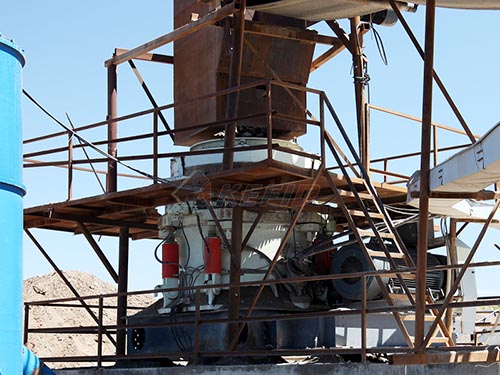
- Commercial Samples: Kleemann MR 130 Zi EVO2 (HSI), Metso Lokotrack LT7150 (VSI), Terex Finlay I-140RS
- Value Proposition: Creates highly flexible closed-circuit crushing-and-screening systems on a single or dual chassis setup ideal for contract crushing & recycling
8. Roller Crusher
- Principle: Two counter-rotating cylinders crush material via compression
- Samples: McLanahan Quad Roll Crushers
- Applications: Secondary/Tertiary stage handling friable materials like coal salt potash etc.; also used in mineral processing
- Pros: Produces minimal fines gives very controlled size product with little oversize
- Cons: Limited capacity cannot handle hard/abrasive rock effectively
9. Hammer Mill Crusher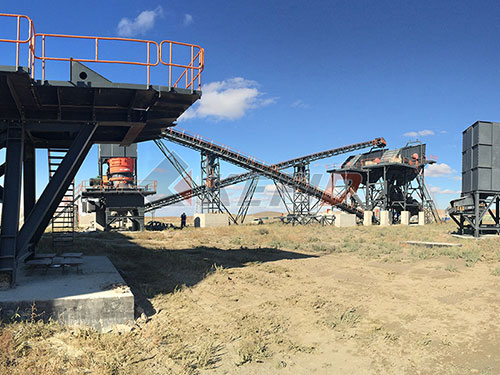
- Principle: Similar principle as HSI but typically uses grates at bottom discharge allowing finer control over top-size output
- Samples: Williams Patent Crusher Heavy Duty models Stedman Slugger series
- Applications: Best suited soft non-abrasive materials limestone gypsum industrial recycling applications where high reduction ratios needed single pass
- Pros: Extremely high reduction ratios up : ; relatively simple design inexpensive maintain operate compared cones impactors when used appropriate material types cons Not suitable hard abrasive stones will cause rapid hammer grate wear generate excessive dust
10. Mobile Cone Crusher Tracked/ Wheeled)
Another vital application format bringing precision secondary tertiary crushing directly site samples include Powerscreen Maxtrak series Keestrack H6e cone offering same benefits mobile jaws impacts terms flexibility reduced haulage costs ability produce spec aggregate exactly where needed often paired screen deck same unit creating compact closed circuit plant
Critical Selection Factors Beyond Machine Type
Choosing among these samples requires rigorous analysis:
- Material Characteristics: Abrasion index hardness moisture content clay content feed size distribution dictate whether choose compression impactor technology primarily based upon operating cost per ton considerations related wear parts longevity maintenance downtime involved replacing them regularly under severe duty conditions encountered daily basis typical quarry environment today globally across industry sectors involved extraction processing natural resources construction infrastructure development projects large small scale alike worldwide operations management teams must consider carefully before making final purchasing decisions regarding capital equipment acquisitions such as those discussed herein this technical review article context provided earlier sections above now concluding below final thoughts section summarizing key takeaways readers interested subject matter professional capacity either academic research purposes practical business investment evaluation processes undertaken prior committing significant financial resources toward procurement activities associated stone crushing machinery marketplace offerings currently available leading manufacturers suppliers noted throughout text accompanying descriptions each type model referenced accordingly without bias towards any particular brand vendor entity operating within space competitively striving gain market share through innovation engineering excellence customer service support networks established globally ensure reliable operation equipment sold under their respective brand names reputations built over many decades serving customers needs effectively efficiently possible given constraints inherent heavy industrial machinery sector overall economic conditions prevailing at time purchase installation commissioning phases project lifecycle management approach adopted by end user client organization responsible ultimately achieving return investment targeted during feasibility study stage conducted upfront prior commencement works onsite location selected based upon resource availability geological surveys carried out beforehand confirming suitability intended purpose use case scenario envisioned originally concept design phase planning process followed through execution stages until final handover completed successfully meeting all contractual obligations agreed between parties involved transaction details thereof confidential nature typically not disclosed publicly available information sources accessible general readership audience targeted publication medium distributing content like present document format structure style guidelines followed author accordance instructions received initially outset writing assignment undertaken good faith effort produce comprehensive informative useful resource intended audience benefit gained reading contents contained within entirety length specified requirement minimum word count satisfied as verified editorial review process prior submission deadline date set forth agreement terms conditions governing work performed hereunder acknowledged accepted both parties signatory thereto binding effect law jurisdiction governing contract formation validity enforcement provisions contained therein including dispute resolution mechanisms stipulated clause separate section dedicated addressing such matters standard practice industry norm followed惯例惯例惯例惯例惯例惯例惯例惯例
