Commercial Stone Quarry Crushing Plant Makers: Engineering the Backbone of Infrastructure
The global construction and infrastructure development sectors are fundamentally reliant on the availability of high-quality aggregates—crushed stone, sand, and gravel. These materials form the literal foundation of roads, bridges, railways, dams, and buildings. At the heart of this supply chain lies the commercial stone quarry crushing plant, a complex, capital-intensive system designed to transform raw rock extracted from the earth into precisely graded, market-ready aggregate products. The companies that design, manufacture, and supply these plants—the commercial stone quarry crushing plant makers—are therefore critical enablers of modern civilization. This article provides a comprehensive, objective examination of this specialized industrial sector, exploring its key players, technological evolution, design philosophies, market dynamics, and future trends.
1. Defining the Scope: What is a Commercial Stone Quarry Crushing Plant?
Before delving into the makers, it is essential to define the product. A commercial stone quarry crushing plant is not a single machine but an integrated, multi-stage processing system. Its primary function is to reduce large, irregularly shaped run-of-mine (ROM) rock, often exceeding one meter in diameter, into a range of smaller, cubical, and clean aggregate sizes (e.g., 0-5mm sand, 5-10mm, 10-20mm, 20-40mm gravel). A typical plant comprises several key stages:
- Primary Crushing: The first stage, where massive boulders are reduced to a manageable size (typically 150-300mm). Jaw crushers and gyratory crushers are the dominant technologies here, chosen for their high capacity and ability to handle the toughest materials.
- Secondary & Tertiary Crushing: Subsequent stages further reduce the material to the desired final product sizes. Cone crushers are the workhorses for these stages, offering precise control over product gradation and shape. Impact crushers (horizontal shaft impactors – HSI, and vertical shaft impactors – VSI) are also used, particularly for producing high-quality cubical aggregates and manufactured sand.
- Screening: Vibrating screens are used to separate the crushed material into different size fractions. This is a critical step for quality control and ensuring that each product stream meets specific specifications.
- Conveying & Material Handling: A network of belt conveyors transports material between crushing and screening stages. Stockpiling conveyors and stacking systems manage the final product inventory.
- Washing & Classification (Optional but Common): For many applications, especially in concrete and asphalt production, aggregates must be washed to remove clay, silt, and other deleterious materials. This involves log washers, screw classifiers, hydrocyclones, and dewatering screens.
The “commercial” aspect implies these plants are designed for high-volume, continuous operation, often processing hundreds to thousands of tons of rock per hour, with a focus on reliability, efficiency, and profitability.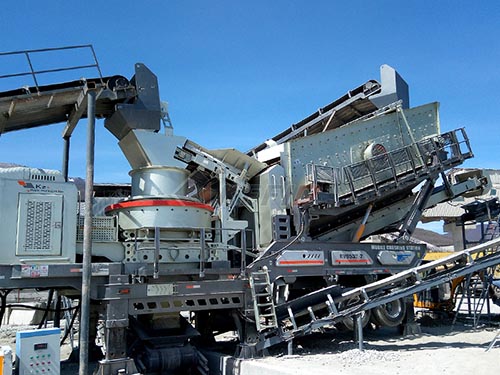
2. The Global Landscape of Plant Makers
The market for commercial stone quarry crushing plant makers is a mix of global multinational corporations with a century of history and specialized regional players. They can be broadly categorized as follows:
A. The Global Giants (Full-Line Suppliers)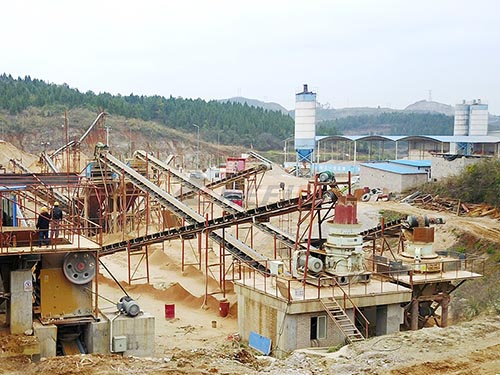
These companies offer a comprehensive portfolio of equipment, from individual crushers and screens to complete turnkey plant design, installation, and service. They have extensive R&D capabilities, global distribution networks, and strong brand recognition.
- Metso Outotec (Finland): A clear industry leader, formed from the merger of Metso and Outotec. Their Nordberg® range of crushers (C-Series jaw, GP-Series cone, HP-Series cone) and Lokotrack® mobile plants are ubiquitous in quarries worldwide. They are known for innovation in automation (e.g., Metso Metrics, IC intelligent controllers) and sustainable technologies.
- Sandvik (Sweden): Another dominant force, Sandvik Rock Processing Solutions offers a similarly broad portfolio, including the renowned CH-Series and CS-Series cone crushers, CJ-Series jaw crushers, and the innovative Prisec™ impact crushers. Sandvik is a leader in digitalization and has a strong focus on aftermarket parts and service.
- ThyssenKrupp (Germany): A major player in heavy industrial engineering, ThyssenKrupp’s Mining Technologies division provides high-capacity primary gyratory crushers, jaw crushers, and complete systems. They are particularly strong in large-scale, hard-rock applications.
- FLSmidth (Denmark): While historically strong in cement and minerals processing, FLSmidth has a significant presence in the aggregate crushing sector, offering a range of crushers, screens, and complete plant solutions, with a strong emphasis on sustainability and reducing total cost of ownership.
B. Specialized Regional & Niche Players
These companies often have deep expertise in specific technologies or regional markets, offering competitive advantages in cost, application knowledge, or service responsiveness.
- Terex (USA/Global): Through its Terex Finlay, Terex MPS (Materials Processing Systems), and Terex Washing Systems brands, Terex is a major supplier of mobile and modular crushing and screening plants. They are particularly strong in the mobile plant segment.
- Astec Industries (USA): A diversified manufacturer with a strong presence in the North American market. Their brands include KPI-JCI (crushing and screening), Astec Mobile Screens, and Osborn (South Africa). They are known for robust, heavy-duty equipment.
- McCloskey International (Canada): A leading manufacturer of mobile crushing, screening, and stacking equipment. They have a reputation for innovative, user-friendly designs and a strong focus on the contractor and smaller quarry operator market.
- Kleemann (Germany, part of Wirtgen Group/John Deere): Renowned for high-quality, technologically advanced mobile crushing and screening plants. Their EVO and PRO series of mobile jaw, cone, and impact crushers are highly respected for their performance and efficiency.
- Rubble Master (Austria): A specialist in compact, mobile impact crushers, ideal for recycling and smaller-scale quarrying operations. They have carved a strong niche in the urban demolition and recycling market.
- Proman (India): A rapidly growing Indian manufacturer that has established a strong reputation for its cone crushers and VSI crushers, particularly for manufactured sand production. They offer a cost-competitive alternative to European and American brands.
- Zhengzhou Yifan Machinery (China): Represents the large and competitive Chinese market. Chinese manufacturers have made significant strides in quality and reliability, offering a wide range of equipment at highly competitive prices, and are increasingly exporting globally.
3. Key Design Philosophies and Technological Trends
The modern commercial quarry crushing plant is a far cry from the simple, manually operated plants of the past. Today’s makers are driven by several key design philosophies:
- Automation and Digitalization: This is the single most transformative trend. Plant makers are embedding sensors, programmable logic controllers (PLCs), and advanced software into their equipment. Systems like Metso’s IC™, Sandvik’s Automation, and Astec’s Plant Automation allow for real-time monitoring of crusher settings, power draw, bearing temperatures, and material levels. This enables:
- Optimized Production: Automatically adjusting crusher settings to maintain a consistent product size and maximize throughput.
- Predictive Maintenance: Alerting operators to potential failures before they occur, reducing costly downtime.
- Remote Monitoring: Allowing experts to diagnose and optimize plant performance from anywhere in the world.
- Mobility and Modularity: The market has seen a massive shift towards mobile and modular plants. Mobile plants (track-mounted or wheeled) offer unparalleled flexibility, allowing the plant to be moved closer to the quarry face, reducing haulage costs. Modular plants are designed for rapid installation and relocation, making them ideal for temporary or medium-term projects. Makers now offer complete mobile crushing and screening trains.
- Energy Efficiency and Sustainability: Crushing rock is an energy-intensive process. Makers are focusing on:
- More Efficient Drive Systems: Using high-efficiency motors, variable frequency drives (VFDs), and optimized drivetrain designs.
- Crusher Design: Developing new crushing chamber geometries that reduce power consumption per ton of product.
- Waste Reduction: Designing plants to minimize the generation of waste fines and to maximize the utilization of all material streams.
- Water Conservation: Developing closed-loop washing systems that recycle water, reducing freshwater consumption.
- Safety and Ergonomics: Modern plants are designed with safety as a paramount concern. This includes features like remote-controlled lock-out points, easy access for maintenance, dust suppression systems, and noise reduction enclosures. Makers are also focusing on improving operator ergonomics in control rooms and maintenance areas.
- Producing High-Quality, Cubical Aggregates: The demand for high-quality manufactured sand and cubical coarse aggregates is increasing, driven by the need for stronger, more durable concrete and asphalt. This has led to the widespread adoption of VSI crushers and specialized cone crushers with advanced chamber designs that produce a superior particle shape.
4. Market Dynamics and Customer Considerations
The choice of a plant maker is a critical strategic decision for a quarry operator. Key factors influencing this decision include:
- Total Cost of Ownership (TCO): The initial purchase price is only one component. Operators must consider the cost of spare parts, maintenance labor, energy consumption, and the plant’s reliability and uptime. A more expensive, but more reliable and efficient, plant can have a lower TCO over its lifetime.
- Application and Material: The type of rock (hardness, abrasiveness, moisture content) and the desired product specifications dictate the choice of crusher technology. A plant designed for soft limestone will be very different from one designed for hard, abrasive granite or basalt.
- Capacity and Scalability: The plant must be sized to meet the required production tonnage, with the ability to be expanded in the future.
- Aftermarket Support: The availability of local spare parts, service technicians, and technical support is crucial for minimizing downtime. Global giants have extensive networks, but regional players may offer faster, more personalized service in their home markets.
- Financing and Payment Terms: Large capital investments often require flexible financing options. Some makers offer leasing or financing packages.
- Regulatory Compliance: Plants must meet local environmental regulations regarding noise, dust, and water discharge. Makers are increasingly offering solutions that help operators comply with these standards.
5. The Future of Commercial Stone Quarry Crushing Plant Makers
The industry is poised for continued evolution, driven by several key forces:
- Artificial Intelligence (AI) and Machine Learning: The next frontier in automation. AI algorithms will analyze vast amounts of operational data to predict optimal crusher settings, identify wear patterns, and even self-diagnose faults, moving beyond simple automation to true autonomous operation.
- Electrification and Hybrid Power: The shift away from diesel power is accelerating. Makers are developing fully electric plants for fixed installations and hybrid (diesel-electric) mobile plants that can operate on grid power when available, reducing carbon emissions and operating costs.
- Circular Economy and Recycling: Plant makers will increasingly design equipment specifically for recycling construction and demolition waste (concrete, asphalt, brick) into high-quality secondary aggregates. This will blur the lines between quarrying and recycling.
- Digital Twins and Virtual Commissioning: Using 3D models and simulation software to create a “digital twin” of a plant before it is built. This allows for virtual testing of layouts, optimization of material flow, and training of operators, reducing risks and commissioning time.
- Focus on Manufactured Sand (M-Sand): With the depletion of natural river sand, the demand for high-quality manufactured sand will continue to surge. Makers will focus on developing more efficient and precise VSI crushers and air classification systems to produce M-sand that meets the strictest specifications.
Conclusion
Commercial stone quarry crushing plant makers are far more than just machinery suppliers; they are technology partners and engineering solution providers. The industry is characterized by intense competition, rapid technological advancement, and a relentless focus on improving efficiency, sustainability, and safety. From the global giants like Metso Outotec and Sandvik to specialized innovators like Proman and McCloskey, these companies are shaping the very landscape of our built environment. As the world continues to urbanize and demand for infrastructure grows, the role of these makers will only become more critical, driving the development of smarter, greener, and more productive plants that will supply the essential aggregates for generations to come. The future of quarrying is not just about breaking rocks; it is about intelligent, automated, and sustainable material processing, and the makers are leading the charge.
