
In the global construction and mining industries, the demand for aggregates—crushed stone, sand, and gravel—is foundational. At the heart of aggregate production lies the commercial stone crusher plant, a sophisticated assembly of machinery designed to reduce large rocks into specified sizes. The selection of a reliable Commercial Stone Crusher Plant Supplier is therefore not merely a procurement decision but a strategic partnership that impacts operational efficiency, project viability, and long-term profitability. This article provides a detailed, professional examination of this critical sector, exploring supplier roles, key considerations, market dynamics, and future trends.
A commercial stone crusher plant supplier is an entity that provides complete crushing solutions, extending far beyond simple equipment sales. Their core responsibility is to deliver a fully functional system tailored to specific material characteristics (like hardness, abrasiveness, and size), desired output specifications (gradation and shape), and production capacity (tons per hour).
Their comprehensive service portfolio typically includes:
Choosing the right partner requires meticulous evaluation across several dimensions:
A. Technical Capability & Product Range
The supplier’s expertise in various crushing technologies is paramount. A top-tier supplier offers a wide range of equipment:
Their ability to recommend the correct crusher type—be it compression-style jaw/cones for hard abrasive stone or impact crushers for softer materials requiring excellent cubical shape—demonstrates technical proficiency.
B. Quality & Reliability of Equipment
In harsh crushing environments, durability dictates uptime. Suppliers should provide equipment built with robust materials (e.g., high-grade steel castings), proven designs from reputable component manufacturers (bearings, motors), and features that enhance longevity like hydraulic adjustment and clearing systems.
C. Project Support Services
The supplier’s value is heavily tested during installation and over the plant’s lifecycle. Key services include:
D. Financial Stability & Reputation
A supplier’s financial health indicates its ability to invest in R&D and honor long-term support commitments. Market reputation can be assessed through client references in similar applications (e.g., granite quarrying vs. limestone processing) and industry certifications (ISO standards).
E. Economic Factors: Total Cost of Ownership (TCO)
The discerning buyer looks beyond initial capital expenditure (CAPEX). TCO analysis includes: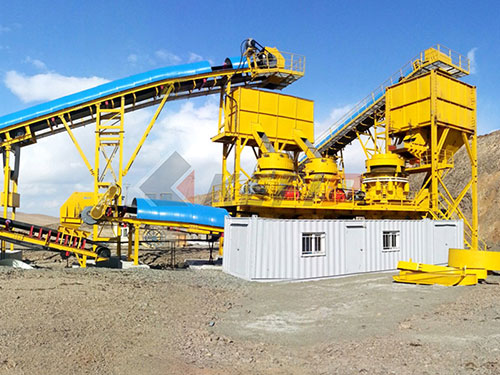
The global market comprises distinct categories of suppliers:
Global Full-Line Giants: Companies like Metso Outotec , Sandvik , Terex MPS , FLSmidth ,and ThyssenKrupp offer extensive R&D resources globally standardized product lines,and worldwide service networks.They are often chosen for large-scale greenfield projects requiring cutting-edge technology.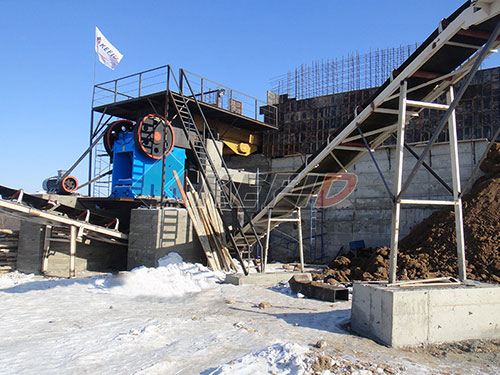
Strong Regional/National Players: Many companies have dominant positions in specific regions(e.g.,Astec Industries in North America,Puzzolana in India,Liming Heavy Industry in China).They combine deep understanding of local market conditions with competitive pricing often providing excellent value.
Specialized Niche Providers: These suppliers focus on specific segments such as highly mobile compact crushers for urban recycling or ultra-heavy-duty machines for mining applications.They compete on deep expertise within their niche.
The relationship with a supplier intensifies after commissioning.A truly reliable partner ensures:
Downtime in aggregate production can cost thousands per hour making responsive after-sales support not just a service but an operational insurance policy.
Leading suppliers are evolving rapidly driven by industry demands:
Selecting commercial stone crusher plant supplier is complex decision with far-reaching consequences.The ideal supplier acts as strategic partner contributing not just machinery but applied knowledge operational efficiency solutions long-term reliability support.Investing time thorough due diligence evaluating technical capabilities service infrastructure total cost ownership ultimately pays dividends through consistent high-quality aggregate production reduced operating costs minimized unplanned downtime.As industry continues evolve towards greater sustainability digital integration role supplier will become even more central helping producers navigate technological shifts maintain competitive edge dynamic global market
Lorem ipsum dolor sit amet, consectetur adipisicing elit. Consectetur sequi saepe ut sunt eveniet perferendis excepturi, iste obcaecati. Qui tempore hic sed quia soluta obcaecati vel.