The Commercial Stone Crusher Machine Industry: Key Players, Technologies, and Market Dynamics
The commercial stone crusher machine industry forms the mechanical backbone of global infrastructure and development. These robust machines are engineered to reduce large rocks, boulders, and quarry stones into specific sizes of aggregate—the essential material for concrete, asphalt, road bases, and railway ballast. The companies that design, manufacture, and support this equipment operate in a highly competitive, technologically advanced, and globally interconnected market. This article provides a detailed examination of these commercial entities, their technological offerings, market strategies, and the evolving landscape of the industry.
Market Overview and Key Segments
The global market for stone crushers is driven directly by the construction, mining, and infrastructure sectors. Growth is cyclical and often correlates with governmental spending on public works, urban development trends, and commodity prices for metals and minerals. The industry segments its offerings primarily by crusher type: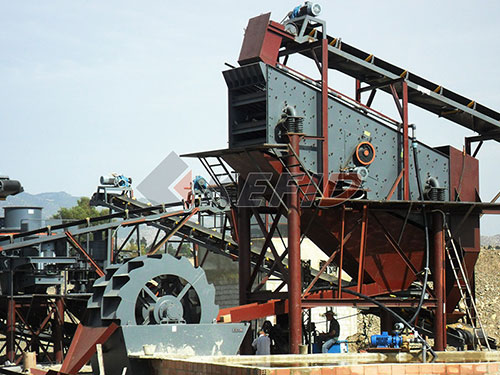
- Jaw Crushers: The primary workhorses for initial size reduction. Companies compete on features like deep crushing chambers, high toggle strength (like hydraulic toggle release systems), and energy efficiency.
- Cone Crushers: Critical for secondary and tertiary crushing to produce finely graded aggregates. Technological rivalry focuses on automation (like automatic setting regulation), crushing chamber design (e.g., multi-cylinder hydraulic cones for finer output), and liner longevity.
- Impact Crushers (Horizontal Shaft Impactors – HSI & Vertical Shaft Impactors – VSI): Used for softer materials or to produce highly cubical aggregate shapes. Innovations here include rotor design, wear part metallurgy (high-chrome blow bars), and precise control over particle shape.
- Gyratory Crushers: Typically used in high-tonnage mining operations for primary crushing. Competition centers on massive throughput capacity, reliability under extreme loads, and advanced monitoring systems.
- Mobile Crushers: The fastest-growing segment. These track-mounted or wheeled units combine crushers with screens and conveyors into a single mobile plant.
Tiered Landscape of Commercial Companies
The industry is stratified into global giants with full-line offerings and specialized niche players.
Tier 1: Global Full-Line Powerhouses
These corporations offer comprehensive “solutions,” not just machines. Their strength lies in extensive R&D budgets, global dealer networks offering parts and service (often guaranteeing uptime), and the ability to supply entire processing plants.
- Metso Outotec (Finland) & Sandvik (Sweden): These Nordic rivals dominate the high-end mining and aggregate sectors globally. They are technology leaders in automation (with platforms like Metso’s Metrics™ VisioRock® or Sandvik’s My Fleet) smart wear parts monitoring via sensors digitalization solutions that optimize entire crushing circuits Their equipment is synonymous with high capital cost but exceptional durability performance
- Terex Corporation (USA): Through its Terex MPS (Mineral Processing Systems) brand it holds a strong position particularly in North America Known for robust designs in jaw cone horizontal shaft impact crushers It also offers a comprehensive range of mobile tracked plants under the Terex Finlay brand which are highly popular in recycling contracting markets
- ThyssenKrupp AG (Germany): A leader especially in gyratory crusher technology with its patented “Jaw Gyratory” crusher design It provides massive systems for the world’s largest mines cement plants
Tier 2: Strong Regional Players & Specialists
These companies compete effectively through deep regional understanding competitive pricing agility in customization strong after-sales support
- Eagle Crusher (USA): A premier American manufacturer specializing in heavy-duty impact crushers portable plants Its UltraMax® impactor series is renowned for strength in concrete asphalt recycling
- Astec Industries (USA): A key player operating through brands like KPI-JCI which is famous for its VSI crushers producing superior cubical aggregate Its track-mounted plants are widely used
- McCloskey International (Canada/UK/Ireland): Has disrupted the mobile crushing screening market globally with innovative designs user-friendly controls aggressive marketing Its mobile jaw cone impact crushers are favorites among contractors for their portability setup speed
- Lippmann-Milwaukee (USA): Specializes in heavy-duty jaw impact crushers primarily for the aggregate contractor market known for brute strength simple maintenance designs
- Several Major Chinese Manufacturers: Companies like SBM Shanghai Zenith Mining Construction Machinery Co Ltd have grown exponentially They initially competed on price but have rapidly improved quality now offering technologically competent stationary mobile plants that capture significant market share in Asia Africa Latin America Eastern Europe Their value proposition—good performance at a lower capital cost—is compelling
Tier 3: Niche Component & Regional Fabricators
This tier includes companies producing wear parts liners custom components as well as local fabricators who may assemble or modify standard designs for specific regional markets They are vital to the ecosystem providing cost-effective alternatives supporting machinery uptime
Core Competitive Strategies
-
Technology & Innovation: The primary battleground Modern crushers are increasingly “intelligent” Key innovations include:
- Automation & Connectivity: Remote monitoring IoT sensors allow operators to track performance wear predict failures optimize settings from a control room or even a tablet
- Advanced Materials Science: Development of composite alloys ceramics for wear parts extending service life reducing downtime
- Energy Efficiency: Electric drives hybrid power options variable frequency drives to reduce operational costs carbon footprint
- Modularity Designs: Enabling easier transport faster setup reconfiguration within a plant
-
Product Support & Service Lifecycle Value: For end-users uptime is profitability Leading companies invest heavily in their dealer networks offering guaranteed parts availability field service technicians training programs Many now sell “crushing as a service” long-term maintenance contracts
-
Sustainability Focus: Environmental regulations tightening globally Companies compete on designing machines with better dust suppression noise reduction fuel efficiency Ability to process recycled concrete asphalt demolition waste (“urban mining”) is a major selling point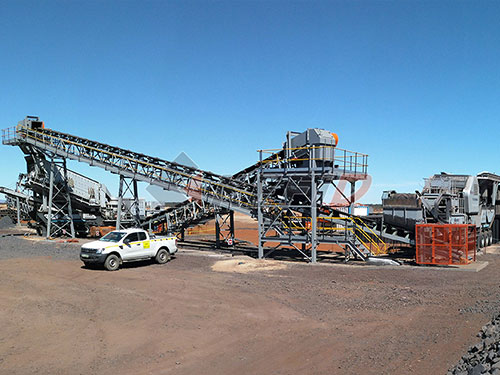
-
Market Diversification: Top players serve both aggregate quarries hard-rock mining sectors Others focus on construction demolition recycling C&D Balancing these markets hedges against cyclical downturns in any single sector
Challenges Future Trends
The industry faces significant headwinds:
- Supply chain volatility affecting steel special component availability
- Rising input costs raw materials energy
- Intense price competition especially from emerging manufacturers
- Skilled operator technician shortages driving demand for simpler automated machines
Future trends shaping company strategies include:
- Full Plant Digitization: Integration of AI machine learning to autonomously optimize feed rates power draw product gradation real-time moving beyond simple monitoring predictive analytics prescriptive adjustments
- Electrification: Development of fully electric track-mounted crushers powered by onboard gensets or even battery hybrids especially important for urban C&D recycling sites with strict emissions noise limits
- Circular Economy Integration: Designing plants specifically flexible feedstock handling mixed C&D waste producing high-purity recycled aggregates This requires sophisticated pre-screening sorting technologies alongside crushing units themselves becoming core competency areas leading manufacturers
In conclusion commercial stone crusher machine companies operate within a complex dynamic industrial landscape Success hinges not merely on building durable mechanical hardware but on integrating digital intelligence providing unwavering lifecycle support embracing sustainability diversifying across applications While global giants leverage scale technology smaller agile firms capture niches through specialization customer intimacy As global infrastructure needs evolve emphasis shifts from pure volume extraction towards precision efficiency resource recovery positioning those companies at forefront of automation electrification circular economy principles as architects future sustainable built environment
