Commercial Slag Crusher Plant Design Service: Engineering Efficiency, Sustainability, and Profitability in Metallurgical Waste Processing
Introduction
In the modern industrial landscape, the efficient management of by-products is no longer an optional environmental consideration but a core component of operational profitability. Among these by-products, metallurgical slag—generated in vast quantities by steel mills, foundries, and non-ferrous metal smelters—presents both a significant disposal challenge and a substantial economic opportunity. The transformation of this abrasive, dense, and chemically complex material into valuable secondary raw materials requires specialized processing infrastructure. This is where the role of a Commercial Slag Crusher Plant Design Service becomes indispensable. Such a service is not merely about providing a set of drawings; it is a comprehensive engineering discipline that integrates material science, mechanical design, process flow optimization, environmental compliance, and economic feasibility analysis. This article provides a detailed, professional, and objective examination of the scope, methodology, critical components, and value proposition of commercial slag crusher plant design services.
1. The Fundamental Need: Why Specialized Design is Critical
Slag is fundamentally different from conventional aggregates like limestone or granite. It is a heterogeneous material composed of silicates, oxides, and free metals (primarily iron). Its properties—extreme abrasiveness (Mohs hardness often exceeding 7), high density (2.5 – 3.5 t/m³), variable lump size (from dust to meter-long blocks), and the presence of metallic inclusions—render standard rock crushing equipment inefficient and prone to rapid failure. A generic crushing plant design will lead to:
- Premature Equipment Wear: Standard manganese steel liners wear out in weeks instead of months.
- High Downtime: Frequent breakdowns due to jamming, belt tearing, and bearing failure.
- Poor Metal Recovery: Inefficient liberation of metallic iron from the slag matrix, leaving valuable scrap in the waste stream.
- Inconsistent Product Quality: Failure to meet the stringent gradation and cleanliness specifications required for construction aggregates, cement additives, or road base.
A specialized design service addresses these challenges from the ground up. It begins with a thorough characterization of the client’s specific slag type (e.g., blast furnace slag, basic oxygen furnace slag, electric arc furnace slag, or stainless steel slag) and tailors the entire plant layout, equipment selection, and control philosophy to that unique material.
2. Core Phases of a Professional Plant Design Service
A reputable commercial slag crusher plant design service follows a structured, multi-phase engineering approach to ensure a turnkey solution that is both technically sound and commercially viable.
Phase 1: Feasibility Study & Material Characterization
This is the most critical initial step. The design team conducts: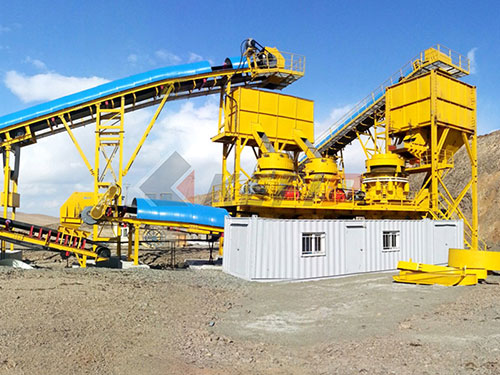
- Sample Analysis: Comprehensive laboratory testing of the client’s slag, including chemical composition (XRF), mineralogy (XRD), abrasion index (AI), compressive strength, and moisture content.
- Metal Content Assessment: Determining the percentage and size distribution of free metallic iron to design the optimal magnetic separation circuit.
- Throughput & Product Specification: Defining the target capacity (tons per hour) and the required end-product gradations (e.g., 0-5mm, 5-20mm, 20-40mm) and their intended market applications (e.g., asphalt aggregate, cement kiln feed, shot blasting grit).
- Site Survey & Layout Constraints: Evaluating the available land area, topography, access for raw material delivery and product dispatch, utility availability (power, water), and local environmental regulations.
Phase 2: Process Flow Design & Equipment Selection
Based on the feasibility study, the engineering team develops a detailed process flow diagram (PFD). This is the blueprint for the entire plant. Key design decisions include:
- Primary Crushing: Given the large lump size of slag, a primary crusher is essential. Options include:
- Jaw Crushers: Robust and reliable for the toughest slag, but with a fixed reduction ratio.
- Gyratory Crushers: Suitable for very high capacities (>1000 TPH).
- Impact Crushers (e.g., Horizontal Shaft Impactors): Often preferred for slag with lower abrasiveness as they provide a higher reduction ratio and better cubical shape, but wear costs are higher.
- Secondary & Tertiary Crushing: For finer reduction, cone crushers (with specialized slag-duty chamber profiles) or vertical shaft impactors (VSIs) are selected. The design must incorporate a metal detector and automatic belt diverter before the secondary crusher to protect it from tramp iron.
- Screening: Multi-deck vibrating screens with heavy-duty, abrasion-resistant decks are specified. The screening circuit is designed for closed-circuit operation to ensure product consistency.
- Magnetic Separation: This is the heart of a slag plant. The design integrates:
- Overband Magnetic Separators: Suspended over conveyor belts to extract large ferrous pieces.
- Drum Magnetic Separators: For continuous removal of finer magnetic fractions from the crushed material stream.
- Eddy Current Separators (optional): For recovering non-ferrous metals (e.g., copper, aluminum) from specific slag types.
- Material Handling: Conveyor belts are designed with heavy-duty belting (e.g., EP 630/4), impact idlers at loading points, and skirt boards to contain the abrasive material. Transfer points are minimized to reduce dust and wear.
Phase 3: Plant Layout & Structural Engineering
The PFD is translated into a detailed plant layout (P&ID – Piping and Instrumentation Diagram) and 3D model. This phase addresses:
- Flow Optimization: Arranging equipment to minimize material re-handling and maximize gravity flow where possible.
- Structural Integrity: Designing heavy-duty steel structures, foundations, and platforms capable of withstanding the dynamic loads of crushers and screens.
- Accessibility: Ensuring safe and easy access for maintenance, liner changes, and cleaning. This includes walkways, stairways, and crane or hoist provisions.
- Dust Suppression & Enclosure: Integrating a comprehensive dust control system, typically a combination of water spray misting and baghouse filtration, to comply with air quality standards.
- Electrical & Control Systems: Designing the motor control centers (MCCs), programmable logic controllers (PLCs), and human-machine interfaces (HMIs) for centralized plant operation, monitoring, and interlocking for safety.
Phase 4: Detailed Engineering & Documentation
This phase produces the final, construction-ready deliverables:
- General Arrangement (GA) Drawings: Overall plant layout.
- Foundation & Structural Drawings: Detailed steel and concrete designs.
- Electrical Single-Line Diagrams & Schematics.
- Piping & Instrumentation Diagrams (P&IDs).
- Bill of Quantities (BOQ): A precise list of all equipment, materials, and components.
- Operation & Maintenance (O&M) Manuals: Comprehensive guides for plant operators.
Phase 5: Project Management & Commissioning Support
A full-service design provider often extends its role beyond the drawing board. This includes:
- Procurement Assistance: Helping the client source high-quality, cost-effective equipment from reputable manufacturers.
- Construction Supervision: Providing an engineer on-site to ensure the plant is built according to the design specifications.
- Commissioning & Training: Supervising the start-up process, fine-tuning equipment settings, and training the client’s operators on safe and efficient plant operation.
3. Key Engineering Considerations for Slag-Specific Design
Beyond the general phases, a specialized design service must master several unique engineering challenges:
- Abrasion Management: The design must incorporate wear-resistant liners (e.g., chrome-moly, ceramic composites, or hard-faced steel) at all high-wear zones—crusher chambers, chutes, screen decks, and transfer points. The layout should be designed for quick liner replacement.
- Metal Liberation & Recovery: The crushing circuit must be designed to “pop” or “crack” the slag to free the metallic iron without over-grinding the non-metallic portion. This often involves a multi-stage crushing approach with intermediate magnetic separation steps.
- Moisture & Stickiness: Some slags, particularly those from wet granulation processes, can be sticky. The design must account for this with anti-clogging screen surfaces, heated chutes (in cold climates), and adequate slope on conveyors.
- Environmental Compliance: Slag processing can generate significant dust and noise. The design must incorporate acoustic enclosures for crushers, covered conveyors, and a robust dust collection system to meet local environmental permits.
- Modularity vs. Fixed Plant: The design service must advise on the optimal plant configuration. Modular, skid-mounted plants offer faster installation and relocation flexibility, while fixed plants are better suited for permanent, high-capacity operations.
4. The Economic & Sustainability Value Proposition
Investing in a professionally designed commercial slag crusher plant yields a compelling return on investment (ROI):
- Revenue Generation: The primary product is high-quality, cost-competitive aggregates for construction. The secondary product is recovered scrap metal, which commands a premium price. A well-designed plant can achieve >95% metal recovery.
- Waste Diversion & Landfill Savings: Slag is diverted from landfills, eliminating tipping fees and long-term environmental liability.
- Reduced Carbon Footprint: Using slag aggregates in concrete and asphalt reduces the demand for virgin quarried stone, lowering the overall carbon footprint of construction projects. Slag also has inherent cementitious properties, reducing the clinker factor in cement production.
- Operational Efficiency: A properly engineered plant minimizes downtime, reduces maintenance costs, and optimizes energy consumption per ton of processed material.
Conclusion
A Commercial Slag Crusher Plant Design Service is a highly specialized engineering discipline that goes far beyond simple equipment selection. It is a holistic, data-driven process that transforms a challenging industrial waste stream into a profitable and sustainable resource. By integrating deep material science knowledge with robust mechanical design, process optimization, and environmental stewardship, these services enable steel producers, foundries, and recycling entrepreneurs to unlock the full value of their slag. For any organization looking to invest in slag processing, engaging a professional design service is not an expense—it is a strategic investment in operational excellence, long-term profitability, and environmental responsibility. The difference between a generic crushing plant and a purpose-built slag processing facility is the difference between a costly disposal operation and a thriving secondary resource business.
