
Introduction
Limestone, a seemingly ubiquitous sedimentary rock, is a cornerstone of modern industrial civilization. Its applications span from the most fundamental construction materials to sophisticated industrial processes and agricultural enhancements. For businesses reliant on a consistent supply of high-quality limestone, understanding the intricacies of its commercial mining and sourcing is not merely a logistical exercise but a critical strategic imperative. This article provides a detailed, objective overview of the commercial limestone supply chain, from geological formation and extraction methods to key sourcing considerations and market dynamics.
I. Geological Foundations: Understanding the Raw Material
Before engaging in sourcing, it is essential to comprehend the product itself. Limestone is primarily composed of the mineral calcite (calcium carbonate, CaCO₃), formed over millions of years through the accumulation of skeletal fragments of marine organisms such as coral, foraminifera, and mollusks. This origin imparts specific characteristics that define its commercial value.
A thorough geological survey, including core drilling and chemical analysis, is the non-negotiable first step in any serious sourcing endeavor. It confirms reserves, classifies the limestone grade, and informs the mining plan.
II. Extraction Methodologies: From Quarry to Crushed Stone
The method of extraction is dictated by the geology of the deposit, environmental regulations, and economic factors. The two primary methods are:
1. Quarrying (Open-Pit Mining)
This is the most common method for commercial limestone production.
2. Underground Mining
This method is employed when the limestone deposit is deep beneath the surface or when surface mining would be prohibitively disruptive (e.g., in urban areas or beneath valuable land).
The choice between quarrying and underground mining involves a complex trade-off between higher initial overburden removal costs (quarrying) versus higher operational safety ventilation costs (underground).
III. Processing: Transforming Rock into Product
Run-of-Quarry (ROQ) rock must be processed to meet specific customer specifications.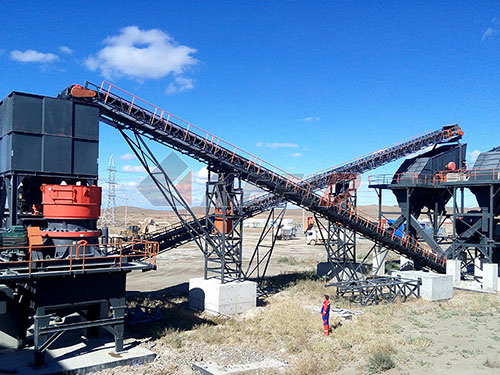
Processing plants are often co-located with mines creating an integrated operation that maximizes efficiency reduces transportation costs
IV. Strategic Sourcing Considerations for Commercial Buyers
Sourcing limestone effectively requires a multi-faceted approach that goes beyond simply comparing price-per-ton quotes
1 Define Technical Specifications
The single most important step clearly define required product specifications
Chemical Purity CaCO₃ MgCO₃ SiO₂ Al₂O₃ Fe₂O₃ content
Physical Properties Gradation particle size distribution bulk density abrasion resistance absorption
Delivery Logistics Required volumes truck rail barge packaging bulk bags super-sacks
2 Supplier Qualification Due Diligence
Prospective suppliers should rigorously vetted across several dimensions
Reserve Life Geological reports confirming long-term stable supply
Mining Processing Capabilities Do they operate modern efficient equipment Can they consistently meet your specs
Quality Assurance Does supplier have robust QA QC program ISO certification independent lab testing
Environmental Social Governance ESG Compliance What their record environmental stewardship community relations reclamation plans Regulatory compliance history crucial
3 Logistics Transportation Cost Analysis
Transportation costs can easily exceed cost raw material itself especially for low-value high-bulk products like aggregate Proximity source market key factor Modes transport include
Trucking Most flexible suitable short-medium distances last-mile delivery Rail Cost-effective long-distance high-volume shipments Barges Most economical mode bulk shipping where waterway access available
4 Contractual Frameworks Risk Management
Long-term supply agreements common industry These contracts should address Price adjustment mechanisms indexed inflation energy costs Volume flexibility minimum annual tonnage take-or-pay clauses Quality dispute resolution procedures testing protocols Force majeure clauses Termination rights
5 Sustainability Environmental Considerations
Modern sourcing increasingly prioritizes sustainable responsible practices Buyers should evaluate suppliers based on Biodiversity management Water usage recycling Dust noise control Carbon footprint initiatives including electrification fleet energy-efficient processing Progressive reclamation restoring mined land beneficial post-mining uses
V Market Dynamics Global Supply Chain
The global limestone market large fragmented valued well over $70 billion annually driven primarily construction sector cement production Key trends include
Consolidation Larger multinational aggregates companies LafargeHolcim HeidelbergCement CRH acquiring smaller regional players achieve economies scale geographic diversification Rising Demand Asia-Pacific Region Rapid urbanization infrastructure development China India Southeast Asia fueling demand Regional Markets While commodity traded globally inherently regional due high transportation costs relative value Local regional deposits typically dominate construction markets High-purity specialized grades e g precipitated calcium carbonate PCC more globally traded Increasing Scrutiny ESG Performance Investors regulators communities holding mining companies higher standards transparency environmental performance social license operate
Conclusion
Commercial limestone mining sourcing complex multifaceted process underpinned by geology engineering logistics strategic procurement Successful navigation this landscape requires deep understanding raw material itself extraction processing methods involved More importantly demands disciplined systematic approach supplier selection risk management contract negotiation In an era defined by volatile supply chains rising input costs heightened environmental awareness robust sustainable sourcing strategy reliable high-quality limestone not just operational necessity but significant competitive advantage
Lorem ipsum dolor sit amet, consectetur adipisicing elit. Consectetur sequi saepe ut sunt eveniet perferendis excepturi, iste obcaecati. Qui tempore hic sed quia soluta obcaecati vel.