
In the fiercely competitive global mining industry, the concept of an “affordable” commercial iron ore crushing plant is not merely about low initial capital expenditure (CAPEX). True affordability is a holistic metric encompassing optimized operational expenditure (OPEX), high availability, long-term reliability, and adaptability to varying ore characteristics and market demands. Designing and operating such a plant requires a strategic blend of intelligent engineering, lifecycle cost analysis, and modern operational practices.
For a commercial operation processing millions of tonnes per annum (Mtpa), affordability is defined by the lowest sustainable cost per tonne of crushed and prepared material. Key components include:
A. Flowsheet Simplification & Modular Design
Complexity breeds cost. Modern affordable plants favor streamlined flowsheets with fewer transfer points. A two-stage crushing circuit (primary gyratory or jaw crusher followed by secondary cone crushers) with pre-screening can often replace traditional three-stage setups for many ore types. Modular plant designs using skid-mounted or trailer-mounted crushers and screens significantly reduce civil works, installation time, and capital outlay. They also offer future reconfigurability.
B. Right-Sizing and Technology Selection
Selecting appropriately sized equipment is critical. An oversized crusher wastes CAPEX and energy; an undersized one becomes a bottleneck. Affordable selection involves: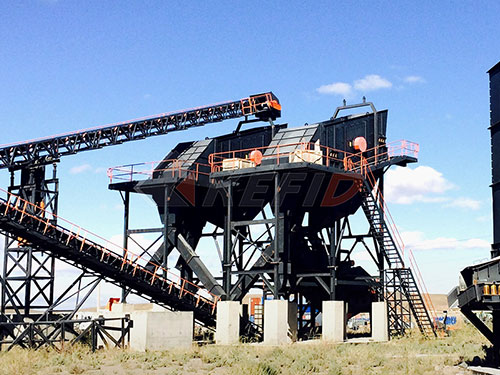
C. The Central Role of Screening
Effective screening is the unsung hero of affordability. Correctly sized screens remove fine material (scalping) before it enters the crusher, preventing unnecessary wear and power consumption. Closed-circuit crushing with efficient screening ensures optimal recirculation load and precise control over final product size distribution.
A. Wear Part Management & Material Science
In iron ore crushing, wear is the single largest ongoing cost. An affordable plant implements a sophisticated wear management program:
B. Energy Efficiency as a Cost Driver
Crushing accounts for ~50-70% of a mine’s comminution energy budget.
C. Automation & Digitalization
Modern control systems are not a luxury but a necessity for affordability.
An affordable design must be tailored to its environment:
The most common pitfall is prioritizing low CAPEX at the expense of OPEX). A cheaper less efficient crusher will consume more power have shorter liner life require more frequent maintenance leading ultimately higher total cost per tonne). The truly affordable plant invests intelligently where it yields operational savings e.g., premium bearings sealing arrangements dust suppression systems that protect machinery reduce environmental compliance risks).
Achieving an affordable commercial iron ore crushing plant is an exercise in integrated systems thinking rather than piecemeal equipment procurement). It requires:
1.Front-End Investment in Planning: Comprehensive metallurgical testing flowsheet simulation CFD modeling).
2.Strategic Partnering: Working with OEMs who provide lifecycle service contracts guaranteeing performance availability rather than just selling machinery).
3.Embracing Technology: Implementing automation digital twins for process optimization predictive analytics).
4.Focus on Human Capital: Training operators maintenance crews understand optimize entire system not just individual machines).
The most affordable plant built today will be one designed flexibility handle evolving ore bodies equipped robust energy-efficient technology operated data-driven culture continuous improvement). This approach transforms “affordable” from mere initial price tag into powerful competitive advantage ensuring profitability throughout volatile commodity cycles securing long-term viability iron ore mining operation). In essence true affordability measured not dollars spent but tonnes efficiently sustainably delivered market lowest possible lifecycle cost).
Lorem ipsum dolor sit amet, consectetur adipisicing elit. Consectetur sequi saepe ut sunt eveniet perferendis excepturi, iste obcaecati. Qui tempore hic sed quia soluta obcaecati vel.