A Comprehensive Guide to Commercial Gold Mining Equipment Inspection
In the high-stakes, capital-intensive world of commercial gold mining, equipment is not merely a tool; it is the lifeblood of the operation. The productivity, profitability, and—most critically—the safety of a mining site are inextricably linked to the condition and performance of its machinery. From colossal haul trucks and powerful excavators to intricate processing plants, every piece of equipment represents a multi-million-dollar investment that must be protected. At the heart of this protection lies a rigorous, systematic, and non-negotiable practice: comprehensive equipment inspection.
An inspection in this context transcends a simple checklist. It is a proactive, forensic examination process designed to assess the structural integrity, functional capability, and overall health of mining assets. Its primary objectives are to ensure operational continuity by preventing unexpected downtime, to safeguard the substantial capital investment, and to enforce the stringent safety standards required in a hazardous working environment. This article delves into the critical components, methodologies, and overarching importance of commercial gold mining equipment inspection.
The Critical Importance: Why Inspection is Non-Negotiable
The consequences of inadequate or neglected inspections in a commercial mining setting are severe and multifaceted.
- Safety Assurance: Mining environments are inherently perilous. Equipment failures can lead to catastrophic incidents, including structural collapses, fires, hydraulic system ruptures, and collisions. A rigorous inspection regime is the first line of defense against such events, identifying potential failure points—such as cracked welds on a shovel boom, worn brake systems on a haul truck, or compromised pressure vessels—before they can cause injury or loss of life.
- Maximizing Operational Uptime: Unplanned downtime is one of the largest cost sinks in mining. A single day of lost production for a large-scale operation can equate to revenue losses in the hundreds of thousands or even millions of dollars. Predictive and preventive inspections allow for maintenance to be scheduled during planned shutdowns, thereby minimizing disruptive and costly breakdowns during critical production periods.
- Asset Lifecycle Management: Mining equipment is designed for durability but operates under extreme stress. Without regular inspection, components wear out prematurely, leading to a significantly shortened operational lifespan for the entire asset. A disciplined inspection program helps manage wear and tear systematically, enabling parts replacement and refurbishment at optimal intervals. This extends the productive life of the equipment and maximizes return on investment.
- Cost Control: While inspections incur costs in terms of labor and technology, they pale in comparison to the expenses associated with major repairs following a catastrophic failure. Identifying a failing final drive bearing during an inspection allows for a controlled repair. If that same bearing fails catastrophically during operation, it can destroy surrounding components, lead to massive secondary damage, and result in repair costs orders of magnitude higher.
The Inspection Regime: A Multi-Tiered Approach
A robust inspection program in commercial gold mining is not monolithic; it operates on several tiers with varying frequencies and depths.
- Pre-Shift (Operational) Inspections: Conducted by equipment operators at the start of each shift. This is a visual and basic functional check focusing on fluid levels (engine oil, coolant, hydraulic fluid), tire condition/pressure (for haul trucks), light functionality, brake tests, and obvious signs of leaks or damage.
- Preventive Maintenance (PM) Inspections: Scheduled at regular intervals based on engine hours or mileage. These are more detailed inspections performed by certified mechanics or technicians following manufacturer-recommended guidelines. They involve checking filters, lubricating components, measuring wear items (like brake pad thickness), and verifying system performance.
- Periodic / Major Component Inspections: These are in-depth examinations conducted at longer intervals (e.g., quarterly or annually). They often require specialized tools and may involve partial disassembly to inspect critical components like powertrain elements (engine internals via borescope), structural frame welds for cracks using Non-Destructive Testing (NDT), and gearbox integrity.
- Condition-Based Monitoring: This represents an advanced approach where inspections are driven by real-time data from sensors installed on the equipment. Vibration analysis on rotating machinery (pumps, crusher motors), oil analysis (spectroscopy to detect microscopic metal particles), thermography (to identify overheating electrical components or bearings) all provide early warning signs that trigger targeted inspections before a failure occurs.
Key Equipment Categories & Specific Inspection Foci
1. Earthmoving & Excavation Equipment (Haul Trucks; Excavators; Dozers)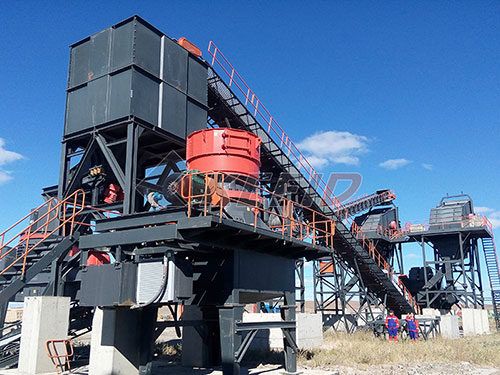
- Structural Integrity: The primary focus is on detecting fatigue cracks in load-bearing structures—the frame/chassis of haul trucks; the boom; stick; and bucket linkages on excavators; and the mainframe of dozers.
- Powertrain & Hydraulics: Inspection includes engine performance metrics (compression tests), transmission shifting quality,and thorough checks ofthe entire hydraulic system for hose abrasion,fitting leaks,and cylinder rod scoring.
- Braking Systems: For ultra-class haul trucks weighing hundreds of tons,failures are not an option.Inspections rigorously check brake pad/disc wear,calliper function,and air/hydraulic pressure integrity.
- Undercarriage: For tracked equipment like dozersand excavators,the undercarriageis amajor wear component.Inspections meticulously measure track link,pin,bushing,and sprocket wear todetermine remaining lifeand planfor rebuilds.
2.Processing Plant Equipment (Crushers; SAG/Ball Mills; Cyclones)
- Liner Wear & Integrity: Crusher mantles/concavesand mill linersare subjectto intense abrasion.Regular thickness measurementsare essentialtoprevent breakthroughswhich coulddamage themill shellor crusher body.Bolt torqueon liner fastenersis critically inspected toprevent loosening.
- Mechanical Drive Systems: Inspections focuson gear alignmentand tooth wearin mill girth gears,vibration levelsin bearings,and themisalignmentor tensionof drive belts.Gearbox oil analysisis standardpractice.
- Pumps & Pipelines: Slurry pumps handling abrasive ore mixturesare inspectedfor impellerand volute wear.Scrutinyof pipeline systems,focusingon elbow thicknessand valve integrity.is crucialtoprevent leaksand maintain flowrates.
3.Gold Recovery Circuit Equipment (Carbon-in-Leach/Carbon-in-Pulp Tanks; Electrowinning Cells; Refinery Furnaces)
- Corrosion & Containment: These circuits handle cyanide-laden solutionsand other corrosive chemicals.Inspections focuson tank linings,pipeline integrity,and pump seals toprevent environmentally hazardousleaks.Electrowinning cell internalsare checkedfor corrosionand electrical connection integrity.
- Electrical Safety & Efficiency: High-amperage rectifiers forelectrowinning require inspectionof busbars,cables,and cooling systems.Refinery furnacesrequire checkson refractory lining,temperature control systems,and exhaust ventilationto ensure safeoperation.
Advanced Inspection Technologies
Modern inspections leverage sophisticated technologies that enhance accuracy,safety,and efficiency: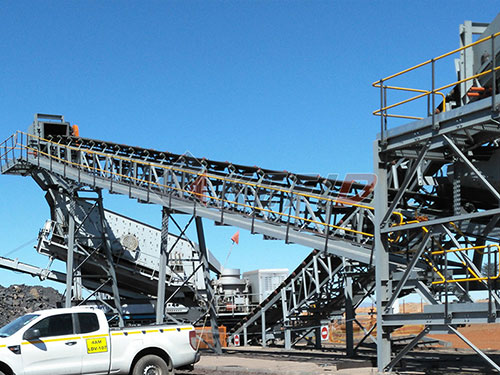
- Non-Destructive Testing(NDT): Techniques likeUltrasonic Testing(UT)to measure wall thickness,Magnetic Particle Inspection(MPI)and Dye Penetrant Inspection(DPT)to find surface cracks,and Eddy Currenttesting formetallurgical flawsare indispensablefor assessingstructural healthwithout causing damage.
- Drone-BasedInspectionswith Thermography: Drones equippedwith high-resolution camerasand thermal imagerscan safely inspecthard-to-reach areaslike stockpile conveyors,tall structures,and unstable groundareas.Thermal imagingcan pinpointoverheating bearingsorelectrical faultsfrom adistance.
- 3D Laser Scanning& LiDAR:
These toolscreate precise digital twins”ofequipmentor plant sections.They are usedtomonitor deformationover time,aidthrough reverse engineeringfor part replacement,and planmaintenance activitiesin complex spaces.
Conclusion: A Cultureof Diligence
Ultimately,the inspectionof commercial goldmining equipmentis more thana technical procedure—itisthe foundationofa resilientandreliableoperation.It requiresa top-down commitmentfrom managementto allocate resources,a trainedand empoweredworkforce toundertake themeticulous work,andthe continuous integrationof newtechnologiesto enhance predictive capabilities.Bysystematically scrutinizingevery gear,hose,weld,and circuit,themining industrynot onlyprotects itspeopleand itsbottom linebut alsoensures thatthe pursuitofthe precious metalis conductedwiththe highest standardsof engineering excellenceandsafety.The costofaninspectionis alwaysless thanthe costofafailure
