Commercial Crushing and Screening Equipment Catalog: Your Guide to Optimized Aggregate Processing
In the world of construction, mining, and aggregate production, efficiency, reliability, and final product quality are paramount. At the heart of these industries lies a critical asset: the commercial crushing and screening equipment catalog. Far more than a simple list of products, this catalog is a comprehensive blueprint for designing, optimizing, and maintaining the material processing flow that feeds our infrastructure. It serves as an essential reference for plant managers, procurement specialists, and engineers seeking to match robust machinery to specific geological and production demands.
The Strategic Role of the Catalog
A modern commercial crushing and screening catalog is not a static sales brochure but a dynamic technical manual. Its primary function is to facilitate informed decision-making by presenting a complete ecosystem of interoperable equipment. It allows professionals to visualize a system—from the primary rock breaker at the quarry face to the final stockpiling of precisely graded sand, gravel, or recycled concrete. By detailing specifications, capacities, power requirements, and application guidelines, the catalog enables users to model their entire operation for maximum tonnage-per-hour yield while minimizing cost-per-ton metrics.
Core Components: Deconstructing the Catalog
A well-structured catalog is systematically divided by equipment function and stage in the processing circuit.
1. Primary Crushing Stations:
This section features the workhorses designed for first-contact reduction of run-of-quarry or run-of-mine material.
- Jaw Crushers: Highlighted for their rugged simplicity and high reduction ratios. Catalogs detail various jaw geometries (e.g., straight vs. curved), feed opening dimensions (critical for sizing incoming material), hydraulic adjustment systems for quick CSS (Closed Side Setting) changes, and robust frames built to withstand immense stress.
- Gyratory Crushers: Often presented as solutions for very high-capacity primary stations in large-scale mining or quarrying. Specifications focus on mantle profiles, drive power, and automated control systems for optimal performance.
- Primary Impact Crushers: Featured for processing softer, non-abrasive materials like limestone or recycled asphalt/demolition concrete. Key data includes rotor diameter/width, hammer design (mono-block vs. welded), and hydraulic assistance for servicing.
2. Secondary and Tertiary Crushing Modules:
Here, precision reduction takes center stage to produce cubical aggregates.
- Cone Crushers: This segment is highly detailed due to technological complexity. Catalogs differentiate between various types:
- Standard Cone: For secondary crushing.
- Short Head Cone: For finer tertiary or quaternary crushing.
- Modern High-Pressure Grinding Rolls (HPGR): Sometimes included as an energy-efficient alternative for certain applications.
Specifications delve into chamber options (coarse/medium/fine), liner profiles (mantle & concave), tramp release systems (like hydraulic clearing), and advanced automation packages that monitor power draw and pressure to optimize crusher performance in real-time.
3. Screening Equipment: The Quality Gatekeepers
Critical for product specification adherence.
- Vibrating Screens: Classified by motion type:
- Inclined Screens: The most common; catalogs detail shaft configurations (single/triple), deck arrangements (single/triple-deck), screen media options (wire mesh, polyurethane panels).
- Horizontal Screens: Promoted for precise sizing of fine materials; specs highlight stroke speed adjustments.
- Scalping Screens: Heavy-duty units designed to remove fines before primary crushing or handle sticky material with features like grizzly bars or punch-plate decks.
4. Mobile & Track-Mounted Solutions:
A rapidly growing segment showcasing flexibility.
- Track-Mounted Jaw/Cone/Impact Crushers & Screens: Emphasize self-propelled mobility with features like remote control operation, fast set-up times (<30 minutes), integrated hoppers/feeders/conveyors forming closed-circuit plants on tracks.
5. Ancillary & Support Systems:
The “glue” that creates a seamless flow.
- Feeders: Apron feeders (for heavy/dirty duty), vibrating grizzly feeders (combining feeding & pre-screening).
- Conveyors: Radial stackers with variable discharge heights; telescoping conveyors; overland conveyor systems detailed with belt widths/speeds/capacities.
- Hoppers & Bins: Surge capacity designs with wear liners.
Critical Technical Data Points in Modern Catalogs
Beyond basic dimensions today’s catalogs provide deep engineering insights: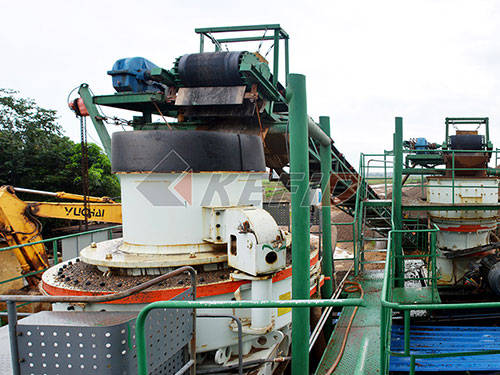
- Capacity Figures: Not just maximum theoretical throughput but realistic ranges based on material density hardness feed gradation CSS settings
- Power Requirements: Detailed electrical specs motor sizes fuel consumption estimates crucial feasibility studies operational budgeting
- Weight Transport Dimensions: Essential logistics planning permitting road transport restrictions site placement
- Wear Part Life Estimates Material Compatibility Guides: Help forecast operating costs maintenance schedules based processed material abrasiveness silica content
- Automation Telematics Integration: Increasingly prominent sections detail remote monitoring platforms predictive maintenance alerts automated setting adjustments real-time production reporting
Navigating Selection: From Catalog Page to Operational Plant
Choosing right equipment requires cross-referencing catalog data against project-specific parameters:
- Material Characteristics: Parent rock hardness abrasiveness moisture content clay content desired final product mix
- Production Goals: Required annual/ hourly tonnage number products specifications required flexibility change products
- Site Constraints: Available footprint topography environmental regulations noise dust emission limits
- Mobility Needs: Fixed plant permanent quarry mobile contract crushing requiring frequent relocation
For example processing hard abrasive granite producing railway ballast requires robust jaw crusher followed cone crusher configured produce coarse cubical product In contrast recycling demolition concrete into base material might prioritize mobile impact crusher magnetic separator effectively remove rebar contaminants
The Evolution Toward Digital Interactive Catalogs
Leading manufacturers now supplement traditional PDF catalogs with sophisticated digital tools:
- Online Configurators: Allow users input parameters receive preliminary equipment recommendations flow diagrams
- 3D Model Libraries: Downloadable CAD files facilitate plant layout planning integration existing infrastructure
- Virtual Reality Simulations: Emerging technology enabling virtual walkthroughs proposed crushing screening circuits before purchase commitment
- Lifecycle Cost Calculators: Dynamic tools estimate total cost ownership factoring initial investment fuel maintenance downtime expected wear part consumption specific application conditions
These digital advancements transform static reference document into interactive planning platform fostering greater collaboration between supplier customer ensuring optimal system design outset
Conclusion Beyond Product Listing Strategic Partnership Blueprint
Ultimately comprehensive commercial crushing screening equipment catalog represents far more than inventory available machines It embodies systematic approach solving fundamental industry challenge transforming raw heterogeneous materials into precisely defined consistent commodities fuel global development By providing transparent detailed technical operational data empowers buyers make capital-intensive decisions confidence underpinning efficient sustainable profitable aggregate operations Whether planning new greenfield site upgrading legacy facility expanding product lines this document remains indispensable starting point journey toward optimized productivity reduced operational costs enhanced return investment Therefore astute industry professional views catalog not merely purchasing guide but foundational resource strategic partnership building long-term success ever-evolving demanding marketplace
