Commercial Crushing and Screening Equipment: The Engine of Modern Aggregate Processing
Commercial crushing and screening equipment forms the indispensable backbone of the global construction, mining, and aggregate industries. These robust, high-capacity machines are engineered to reduce large rocks, concrete, and demolition debris into specified sizes and separate them into clean, marketable products. Far from simple rock breakers, modern systems are sophisticated, interconnected production plants that directly impact profitability, sustainability, and project viability. This article delves into the types, technological advancements, selection criteria, and operational imperatives of this critical machinery.
Core Components: The Crushing Circuit
A commercial crushing operation is typically arranged in stages—primary, secondary, and tertiary—each utilizing specialized equipment to achieve progressive size reduction.
-
Primary Crushers: These are the first point of contact with raw feed material. Their primary role is to handle large, unprocessed material (up to several feet in diameter) and reduce it to a manageable size (typically 6-10 inches).
- Jaw Crushers: Utilizing a fixed and a reciprocating jaw plate, they compress material until it fractures. Renowned for their reliability, simplicity, and high capacity in abrasive applications like granite and basalt.
- Gyratory Crushers: Similar in concept to jaw crushers but with a conical head gyrating within a concave bowl. They offer very high throughput rates and are often favored in large-scale mining and quarrying for their efficiency at processing vast volumes of hard rock.
- Impact Crushers (Primary): Horizontal Shaft Impactors (HSIs) use hammers or blow bars on a fast-rotating rotor to throw material against breaker aprons, shattering it along natural fissures. Excellent for softer, less abrasive materials like limestone and recycling applications due to their high reduction ratio and cubical product shape.
-
Secondary and Tertiary Crushers: These units further refine the material from the primary stage to produce precise aggregate specifications.
- Cone Crushers: The workhorse for secondary/tertiary duties. Material is compressed between a rotating mantle and a stationary concave liner. Advanced hydraulic systems allow for real-time adjustment of the closed-side setting (CSS) for consistent product sizing and automatic clearing of tramp metal (tramp release). They excel in producing fine aggregates.
- Impact Crushers (Secondary/Tertiary): Both HSIs and Vertical Shaft Impactors (VSIs) are used. VSIs utilize a high-speed rotor to accelerate material against a crushing chamber or anvil ring, promoting inter-particle collision. This “rock-on-rock” crushing action is unparalleled for producing highly cubical sand (manufactured sand) for concrete and asphalt, enhancing particle strength and reducing voids.
Core Components: The Screening Circuit
Screening is the critical process of separating crushed material by size. Efficient screening ensures product specification compliance and protects downstream crushers from processing already-sized material (recirculating load).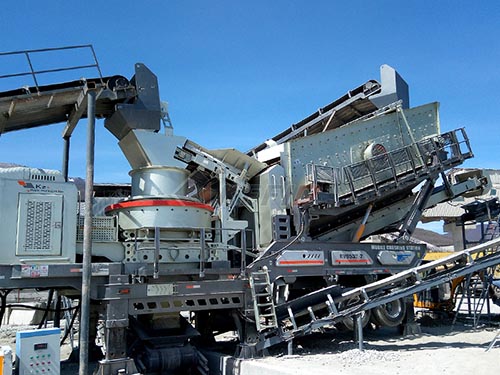
- Vibrating Screens: The most common type.
- Inclined Screens: Use circular vibration to stratify material; smaller particles fall through screen media (decks) made of wire cloth or polyurethane panels.
- Horizontal Screens: Utilize linear vibration for precise sizing of smaller aggregates at high efficiency. They are less prone to blinding (plugging) in damp or sticky material applications.
- Scalping Screens: Heavy-duty units placed before the primary crusher to remove natural fines (“scalpings”) and deleterious materials like clay or dirt from the feed stream.
- High-Frequency Screens: Employ rapid vibration for fine separations (e.g., dewatering washed sand or splitting fine aggregates).
Technological Integration: The Smart Quarry
Modern commercial equipment is defined by its intelligence and connectivity.
- Automation & Process Control Systems: Centralized PLC-based systems monitor amperage draw, pressure levels, feed rates, conveyor weights via load cells), bin levels via sensors), etc.). They can automatically adjust feeder speeds or crusher settings to optimize flow through the plant (“cavity level control”), maximizing tonnage while protecting machinery from overloads.
- Telematics & Remote Monitoring: Equipment equipped with GPS/telematics allows fleet managers to track location hours), fuel consumption maintenance alerts), performance metrics from anywhere). Crusher manufacturers provide proprietary platforms that give real-time insights into production data wear part life cycle analysis), enabling predictive maintenance rather than reactive repairs.
- Advanced Wear Part Technology: Metallurgy has seen revolutionary advances with ceramic composites bi-metal alloys), ensuring longer life for liners blow bars mantles). This reduces downtime frequency change-outs significantly lowers cost per ton—a key profitability metric).
- Mobility & Modularity: Track-mounted mobile crushers screens have transformed contract crushing recycling operations). These self-propelled units can be moved between sites quickly set up rapidly). Similarly modular stationary plants using skid-mounted conveyors crushers offer faster installation flexibility expansion compared traditional fixed installations).
Selection Criteria & Operational Considerations
Choosing the right equipment is a complex capital decision based on multiple factors:
- Material Characteristics: Abrasiveness hardness compressive strength moisture content presence of clay)—each dictates crusher type liner metallurgy screen deck selection).
- Production Requirements: Desired end-product specifications number grades needed required annual tonnage plant availability targets).
- Site & Application: A large granite quarry demands different setup than urban concrete recycling operation space constraints noise dust regulations paramount importance latter case electric-powered quieter units may be preferred over diesel).
- Total Cost Ownership TCO): Beyond initial purchase price includes operational costs energy consumption wear parts replacement labor maintenance residual value resale potential). High-efficiency drives automated systems often justify higher upfront investment through long-term savings productivity gains).
- Safety & Maintenance Design: Easy safe access lubrication points inspection doors hydraulic adjustment features all contribute safer work environment reduced downtime during routine servicing).
Sustainability & The Circular Economy
Commercial crushing screening plays pivotal role sustainable development:
- Construction Demolition C&D) Recycling: Powerful mobile impact crushers magnetic separators air knives effectively process concrete asphalt brick into valuable recycled aggregate base material reducing landfill demand virgin resource extraction).
- Manufactured Sand Production: With global shortage natural river sand VSI crushers produce superior engineered sand meeting strict concrete specifications alleviating environmental strain riverine ecosystems).
- Dust Suppression Water Management: Modern plants integrate spray misting systems enclosed conveyors baghouse filters capture airborne particulate matter protecting environment worker health water recirculation systems minimize fresh water consumption).
Conclusion
Commercial crushing screening equipment represents dynamic intersection mechanical engineering digital technology environmental science). Today’s systems not brute force tools but optimized integrated production lines where every component—from primary feeder final product stockpile—is monitored synchronized achieve peak efficiency reliability). As global demand aggregates continues grow alongside pressures decarbonize construction industry role this equipment will only become more vital continuous innovation automation sustainability will drive future ensuring raw materials building our world produced responsibly profitably reliably meeting challenges 21st century infrastructure development circular economy transition
