
Securing a commercial ball mill quote is a critical step in the capital expenditure process for mining, cement, chemical, and pharmaceutical industries. It represents far more than a simple price request; it is a complex technical and commercial document that defines the scope, capabilities, and long-term operational economics of a key piece of grinding equipment. This detailed guide explores the intricacies of the commercial ball mill quotation process, its essential components, and the strategic considerations necessary for making an informed investment.
A ball mill is a cylindrical device used for grinding (or mixing) materials like ores, chemicals, ceramic raw materials, and paints. It operates on the principle of impact and attrition: as the mill rotates, the grinding media (typically steel or ceramic balls) lift and cascade onto the material, reducing it to fine powder. In commercial operations, ball mills are workhorses for comminution circuits, directly impacting throughput, product fineness, and overall plant efficiency.
Therefore, a commercial quote is not just for a machine but for a system integral to production profitability. A well-defined quote ensures the selected mill matches precise process requirements, minimizing lifecycle costs from purchase through operation and maintenance.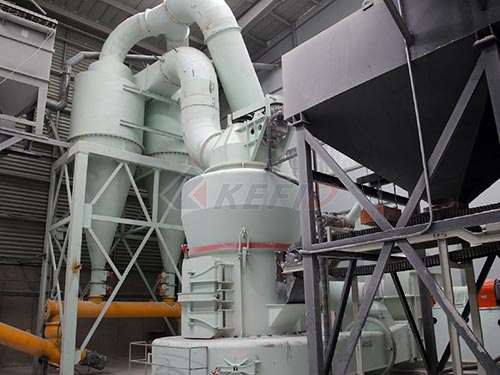
A comprehensive quote from a reputable manufacturer (e.g., Metso Outotec, FLSmidth, ThyssenKrupp) typically includes several detailed sections:
A. Technical Specifications & Scope of Supply:
This is the core of the quote. It must unambiguously define:
B. Commercial Terms & Pricing Breakdown:
C. Project Schedule & Delivery Terms:
A realistic timeline covering engineering approval milestones, manufacturing lead time (often 6-12 months for large mills), shipping duration, and site readiness requirements.
D. Payment Schedule:
Typical terms involve progress payments tied to milestones like contract signing, approval of general arrangement drawings completion of major fabrication assembly readiness for shipment
E Legal Warranties Liabilities Intellectual Property Rights
The wide variance in ball mill quotes—from hundreds thousands dollars small ceramic models millions dollars large mining mills—stems from following factors:
1 Process Requirements Grinding Duty
The required fineness grind hardest material Work Index primary determinant size power needed Harder ore larger diameter longer mill higher power drive Higher throughput demands larger volume Higher efficiency classifiers closed circuit can reduce mill size affecting overall system cost
2 Design Features Materials Construction
3 Manufacturer Brand Reputation Support
Established OEMs command premium due proven designs global service networks extensive process knowledge Lower-cost alternatives may available emerging manufacturers but may carry higher technical risk after-sales support limitations
4 Market Conditions Raw Material Costs
Steel plate copper electrical component prices volatility directly affects manufacturing costs Global demand mining equipment also influences lead times pricing power
Securing optimal value requires structured approach:
1 Develop Detailed Inquiry Document RFQ Request Quotation
Provide comprehensive data feed size distribution Bond Work Index desired product P80 moisture content ambient conditions site elevation This enables vendors submit comparable technically sound quotes Omitting leads assumptions inconsistent proposals
2 Evaluate Total Cost Ownership TCO Not Just Capital Expenditure CAPEX
Analyze quotes over expected 20-30 year lifespan Key TCO elements include
3 Conduct Technical Clarification Meetings
Engage vendors engineering teams review proposed flow sheets ensure understanding requirements Discuss alternatives potentially optimize cost performance Trade-offs between ball mill vertical roller mill VRM should considered this stage certain applications
4 Reference Checks Due Diligence
Contact existing customers similar installations inquire about actual performance reliability support Visit facilities possible
Final negotiations should focus achieving balance fair price securing necessary guarantees protections Key contractual items include
Commercial ball mill quote foundational document sets stage decade-long relationship between buyer supplier Treating merely price tag can lead costly operational inefficiencies unexpected downtime Conversely thorough evaluation focusing technical suitability total cost ownership transforms procurement from transactional exercise strategic investment plant productivity Ultimately most competitive quote one that delivers lowest cost per ton ground over entire equipment life balancing initial investment with sustained reliable efficient operation Securing such requires diligence clear communication deep understanding own process needs
Lorem ipsum dolor sit amet, consectetur adipisicing elit. Consectetur sequi saepe ut sunt eveniet perferendis excepturi, iste obcaecati. Qui tempore hic sed quia soluta obcaecati vel.