Commercial 250-300 TPH Stone Crushing Plant: An Affordable Solution for Mid-Scale Aggregate Production
In the competitive world of construction, mining, and infrastructure development, the demand for high-quality aggregates is perpetual. For contractors, quarry operators, and mining companies looking to scale their operations without the capital intensity of mega-plants, a commercial 250-300 tons per hour (TPH) stone crushing plant represents the optimal balance between output, efficiency, and affordability. This mid-to-high capacity range is a sweet spot for numerous projects, from supplying materials for regional highway networks to feeding large-scale concrete batching plants. This article delves into the technical composition, economic rationale, operational considerations, and market positioning that make a 250-300 TPH crushing plant a strategically affordable and powerful investment.
Defining the Scope: What is a 250-300 TPH Stone Crushing Plant?
A stone crushing plant with a capacity of 250 to 300 TPH is designed to process hard rock (like granite, basalt) or medium-hard rock (limestone, dolomite) into specified aggregate sizes—typically from coarse base materials (1.5” to 3”) down to fine aggregates (sand). It is a complete system comprising several integrated stages:
- Primary Crushing: A robust jaw crusher or gyratory crusher reduces blasted rock from large feed sizes (up to 800-1000mm) to manageable diameters (150-250mm). For this capacity, a sturdy jaw crusher like a 750x1060mm or 900x1200mm model is common.
- Secondary Crushing: A cone crusher or impact crusher takes the primary crushed material and further reduces it to intermediate sizes (20-60mm). Cone crushers are preferred for abrasive hard rock due to their durability and consistent gradation.
- Tertiary/Fine Crushing & Shaping: For producing high-quality cubical aggregates or sand, a tertiary stage using another cone crusher or a vertical shaft impactor (VSI) is often employed. A VSI is particularly valuable for manufactured sand production.
- Screening: Multiple-tier vibrating screens separate the crushed material into precise size fractions. Efficient screening is critical for maximizing yield and product quality.
- Material Handling: A network of belt conveyors connects all stages, ensuring smooth material flow. Their design, incline, and width are critical to achieving the target throughput.
- Supporting Systems: This includes dust suppression systems (like water sprayers), control panels (often PLC-based for semi-automation), electrical systems, and sometimes washing equipment.
The Economics of Affordability: Capital vs. Operational Efficiency
The term “affordable” in this context does not merely mean “cheapest upfront cost.” It signifies a superior Total Cost of Ownership (TCO) over the plant’s lifecycle.
- Lower Initial Investment than Mega-Plants: Compared to stationary plants exceeding 500 TPH, a 250-300 TPH setup requires less massive foundations, smaller cranes for erection, and often utilizes well-established, standardized equipment models readily available from multiple manufacturers. This reduces both capital expenditure and lead time.
- Optimized Operational Costs: Modern plants in this range are designed with energy efficiency in mind. Variable Frequency Drives (VFDs) on motors allow crushers and screens to match power consumption with actual load. Selecting the right type of crusher for the material minimizes wear part costs—a major operational expense.
- Scalability and Modularity: Many contemporary designs are modular or semi-portable (track-mounted or wheeled). This allows owners to start at the lower end of the range and add pre-designed modules later as demand grows. This phased investment protects cash flow.
- Labor Efficiency: A well-designed plant with centralized PLC control can be operated by a small crew (2-3 persons), optimizing labor costs per ton produced.
Key Design Considerations for Cost-Effective Performance
Achieving reliable performance at an affordable TCO hinges on intelligent engineering choices: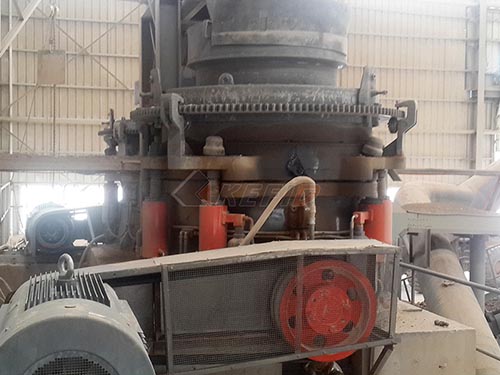
- Plant Layout: A compact yet accessible layout minimizes conveyor lengths and land use while ensuring safe maintenance access. U-shaped or linear layouts are common.
- Equipment Selection Philosophy:
- For hard abrasive rock: A jaw-cone-cone configuration offers longevity.
- For recycled concrete or limestone: An impact crusher in secondary/tertiary roles provides excellent reduction ratios and shape.
- Investing in higher-grade wear parts initially can extend change-out cycles dramatically.
- Automation Level: Basic PLC controls with safety interlocks prevent costly equipment damage from jams or overloads—a highly affordable upgrade that pays rapid dividends in reduced downtime and component life.
- Dust Control Compliance: Integrating effective baghouse filters or spray systems from the outset avoids costly retrofits and production stoppages due to environmental non-compliance.
Market Applications & Return on Investment
A reliably producing 250-300 TPH plant can generate significant revenue streams:
- Producing ~2 million tons annually (assuming ~8 months operation), it can supply multiple large construction projects simultaneously.
- It enables operators to bid on substantial government tenders for road base materials (~50% of output) while also selling premium products like concrete sand (~30%) and asphalt chips (~20%).
- The payback period can be attractive—often between two to four years depending on local aggregate pricing ($10-$25/ton), operational efficiency, and financing terms.
Challenges & Mitigation Strategies
Affordability can be undermined by poor planning:
- Underestimating Infrastructure Costs: Site preparation, power supply substations (~500 kVA required), water access represent significant initial outlays that must be budgeted accurately.
- Ignoring Material Characteristics: Not testing rock abrasiveness leads to incorrect machine selection spiraling wear costs.
- Skimping on Maintenance Design: Lack of proper walkways platforms hoists makes routine maintenance slow dangerous increasing labor hours downtime
To mitigate these risks partnering with an experienced engineering firm reputable equipment supplier who offers comprehensive design service training spare parts support is crucial They can provide proven layouts tailored specific feed material final product requirements
Conclusion
A commercial stone crushing plant rated at tons per hour stands as cornerstone solution modern mid-scale aggregate production Its affordability stems not from being low-end but from intelligent optimized design that balances initial capital expenditure long-term operational productivity By leveraging standardized yet robust equipment modular designs energy-efficient technologies such plant offers investors contractors fastest most reliable path securing profitable share lucrative aggregate market With careful planning focused total cost ownership rather than just sticker price this capacity range continues empower businesses build essential infrastructure foundation economies worldwide
