
The procurement of a coke vibration screen processing plant is a critical capital expenditure project within the metallurgical and petrochemical industries. Coke, a porous, high-carbon material derived from the destructive distillation of coal, is a fundamental reductant in blast furnace ironmaking and serves as a carbon source in various other industrial processes. The efficient classification and sizing of metallurgical coke are paramount to ensuring optimal furnace permeability, reaction rates, and ultimately, the quality and cost-effectiveness of the final metal product. A vibration screen plant sits at the heart of this sizing operation. Therefore, its procurement is not merely the purchase of equipment but a strategic investment in plant reliability, product quality, and long-term operational efficiency. This article provides a detailed, objective guide to navigating the complexities of this procurement process.
Before embarking on procurement, it is essential to understand the technical function of the vibration screen plant. After coking ovens produce large coke cakes, these are crushed into a mixture of sizes. The vibration screen plant’s primary purpose is to separate this mixture into specific, pre-determined fractions (e.g., blast furnace coke: +40mm or +50mm; nut coke: 20-40mm; breeze: 0-10mm).
Key components of such a plant include:
A successful procurement begins long before contacting suppliers.
A. Technical Specification Development:
This is arguably the most critical step. The specification document must be exhaustive and unambiguous.
B. Commercial Strategy Definition:
Determine whether you will procure on an EPC (Engineering, Procurement, Construction) basis from a single contractor or opt for a split-contract model where you manage individual suppliers for mechanical equipment vs electrical vs civil works.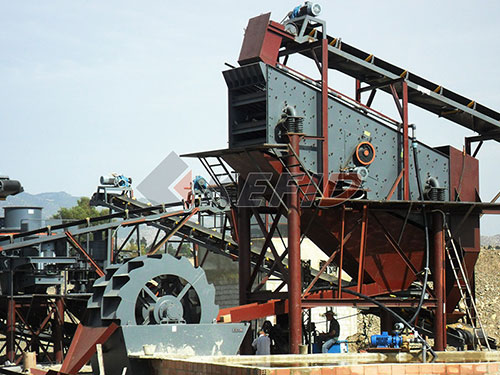
This phase involves identifying qualified vendors who can meet your stringent technical requirements.
A. Supplier Prequalification:
Create a list based on global reputation in bulk material handling:
Established international players like Metso Outotec , ThyssenKrupp , ANDRITZ , Schenck Process , etc.
Evaluate them based on:
B. Tendering Process:
Issue an Invitation to Tender (ITT) package containing:
C. Technical & Commercial Bid Evaluation:
This should be conducted by cross-functional teams:
1.Technical Evaluation: Score each bid against predefined criteria:
The goal is not simply to select the lowest bidder but rather “the most economically advantageous tender” that offers superior lifecycle value through reliability,efficiency,and service support.
During supplier discussions,focus deeply on these technical aspects:
A.Screen Dynamics & Durability:
The vibratory mechanism must be robust enough for continuous operation under heavy,coke load.Bearings should be oversized with high-temperature grease.Liners protecting side plates from wear should be standard.The dynamic forces transmitted into supporting structures must be calculated precisely by vendor engineers.
B.Maintenance & Accessibility:
Design must facilitate easy maintenance.Modular screen panel replacement systems allow quick change-outs during planned shutdowns.Access platforms,lifting points,and adequate space around vibrators are essential features that reduce downtime significantly when evaluating designs prioritize these operational realities over minor initial cost savings which could lead higher long-term maintenance expenses .
C.Dust Control Integration:
The interface between screen enclosures dust extraction ductwork must sealed effectively.Suppliers should demonstrate through CFD modeling airflow patterns ensure fugitive emissions minimized.Water spray nozzles used suppression positioned correctly avoid creating sticky material leads blinding screens reducing efficiency drastically .
Awarding contract marks beginning next critical stages:
Project Management & Fabrication Monitoring: Assign dedicated project manager conduct regular progress reviews witness factory acceptance tests FATs key components like assembled screen decks control panels verify quality before shipment .
Installation Commissioning: Ensure qualified personnel handle installation according vendor drawings specifications Vendor’s commissioning engineers must supervise initial startup tune amplitude frequency optimize performance train operations maintenance staff thoroughly .
Performance Guarantee Test: Once stable operation achieved conduct formal Performance Guarantee Test measure actual throughput screening efficiencies against contractual guarantees This legally binding step finalizes acceptance plant .
Procuring coke vibration screen processing plant complex multifaceted endeavor requiring blend deep technical knowledge rigorous commercial discipline Success hinges meticulous upfront specification comprehensive supplier evaluation focus total lifecycle cost rather than just initial capital outlay By viewing this process strategic investment reliability product quality companies can secure asset will serve as backbone their production line decades come Ultimately right plant procured right way becomes silent guardian consistent profitable metallurgical operation .
Lorem ipsum dolor sit amet, consectetur adipisicing elit. Consectetur sequi saepe ut sunt eveniet perferendis excepturi, iste obcaecati. Qui tempore hic sed quia soluta obcaecati vel.