
Abstract
In the demanding environments of metallurgical coke production and handling, the efficiency of material classification is paramount. Coke vibration screens, also known as coke screening machines or vibratory sieves, are critical equipment designed to separate crushed coke into specific size fractions for various applications, most notably in blast furnace operations. The role of a coke vibration screen dealer extends far beyond mere equipment sales; they are pivotal partners in ensuring operational reliability, productivity, and cost-effectiveness. This detailed datasheet provides an in-depth analysis of the technical specifications dealers offer, the key selection criteria for end-users, and the value-added services that differentiate a superior dealer from a standard supplier.
Metallurgical coke, a key fuel and reductant in blast furnaces, must meet stringent size specifications. Oversized coke can disrupt burden permeability, while undersized fines (coke breeze) can be carried away by the blast furnace gas, reducing efficiency and increasing particulate emissions. The primary function of a coke vibration screen is to perform this precise separation.
These machines utilize a combination of gravity and mechanically induced vibrations to stratify and convey coke particles over a screened surface (deck). Particles smaller than the screen aperture fall through as the undersize product, while larger particles are discharged as the oversize product. The intense abrasiveness and impact load of coke necessitate robust construction and specialized design considerations.
A professional dealer will provide a comprehensive datasheet for their equipment. Understanding these specifications is crucial for making an informed purchase.
2.1. Machine Design & Vibratory Mechanism
2.2. Construction & Materials
2.3. Performance & Operational Parameters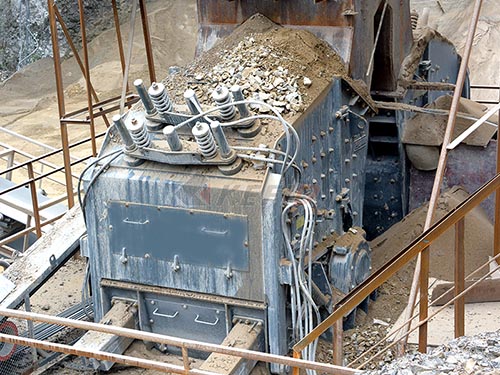
Selecting a dealer is as important as selecting the machine itself.
3.1 Pre-Sales Engineering Support
A top-tier dealer acts as a solutions provider.
3.2 After-Sales Service & Support
This is where long-term value is created.
When evaluating potential suppliers consider these factors:
1 .Technical Expertise And Experience:
Look For Case Studies References From Other Steel Or Coke Plants In Your Region Ask About Their Engineers Experience With Similar Applications
2 .Product Quality And Manufacturing Standards:
Inquire About Their Quality Control Processes During Manufacturing Welding Standards Material Certifications For Critical Components
3 .Customization Capability:
Can They Modify Standard Designs To Fit Your Unique Space Constraints Or Process Requirements?
4 .After-Sales Support Network:
Proximity Of Service Engineers Availability Of Spare Parts Responsiveness Of Customer Service Are Crucial For Minimizing Downtime
5 .Total Cost Of Ownership TCO Evaluation:
Do Not Base The Decision Solely On The Initial Purchase Price Consider Energy Consumption Wear Part Life Maintenance Costs And Expected Downtime A Slightly More Expensive Machine From A Reputable Dealer Often Has A Lower TCO
| Challenge | Impact | Dealer-Led Solution |
|---|---|---|
| Severe Abrasion & Wear | High spare part consumption frequent downtime increased operating costs | Recommendation of advanced materials like PU screen decks hardened steel liners for feed chutes |
| Screen Blinding | Reduced screening efficiency decreased throughput inaccurate size fractions | Design optimization tuned vibration parameters selection of anti-blinding deck systems e g rubber balls tape systems |
| Structural Fatigue & Cracking | Catastrophic failure safety hazards unplanned shutdowns | Robust finite element analysis FEA during design proper isolation spring selection reinforced frame construction |
| Bearing Failure In Drive System | Unexpected downtime costly repairs | Use of high-quality branded bearings SKF FAG etc proper sealing systems easy-access design for maintenance |
Forward-thinking dealers are aligning themselves with industry megatrends:
Smart Screening Solutions Integration Of Vibration Sensors Temperature Monitors And IoT Gateways To Enable Predictive Maintenance Allowing Maintenance To Be Scheduled Based On Actual Equipment Condition Rather Than Fixed Time Intervals
Energy Efficiency Development Of More Efficient Drive Systems That Maintain Performance While Reducing Power Consumption Contributing To Lower Carbon Footprint Operations
Advanced Materials Continued R D Into Composite Materials And Ceramic Linings That Offer Even Greater Service Life Under Extreme Abrasive Conditions Further Reducing Lifetime Operating Costs
Conclusion
The selection of a coke vibration screen dealer is a strategic decision that has long-term implications for plant availability productivity operational expenditure Ultimately partnering with A technically proficient experienced And service-oriented dealer provides not just A piece Of machinery but A reliable integrated screening solution This partnership ensures that your critical classification process operates at peak efficiency maximizing The value Of your coke product while minimizing total cost Of ownership over The equipment’s lifecycle
Lorem ipsum dolor sit amet, consectetur adipisicing elit. Consectetur sequi saepe ut sunt eveniet perferendis excepturi, iste obcaecati. Qui tempore hic sed quia soluta obcaecati vel.