Coke Vibration Screen Companies: A Deep Dive into Customization for Optimal Performance
In the demanding world of metallurgical coke production, efficiency, durability, and precision are non-negotiable. At the heart of the coke handling and preparation process lies a critical piece of equipment: the coke vibration screen, also known as a coke vibrating screen or scalping screen. These machines are tasked with the rigorous duty of classifying and sizing coke—a hard, abrasive material essential for blast furnace ironmaking—into specific fractions (e.g., blast furnace coke, nut coke, breeze). Given the harsh operating conditions involving heavy loads, abrasion, impact, and often extreme temperatures and dust, off-the-shelf screening solutions frequently fall short. This is where the specialized expertise of coke vibration screen companies in customization becomes paramount. Customization is not a luxury but a fundamental requirement to ensure screening efficiency, minimize downtime, extend equipment life, and optimize the entire coke production circuit.
1. The Imperative for Customization in Coke Screening
Coke screening presents unique challenges that generic screens cannot adequately address:
- Highly Abrasive Material: Coke particles have sharp edges that rapidly wear down standard screen decks and components.
- Significant Impact Forces: The feed of bulk coke onto the screen deck involves considerable impact energy.
- Dust Generation: Coke processing creates fine particulate matter (coke breeze), which can pose environmental, health, and operational hazards if not contained.
- Varied Feed Characteristics: Coke size distribution, moisture content (especially with wet quenching), and throughput rates can vary significantly between plants and even within batches.
- Stringent Size Specifications: Blast furnace operation requires tightly controlled coke size ranges to ensure proper gas permeability and efficient reduction.
Therefore, collaboration with a specialized vibration screen company that offers deep customization is essential to tailor every aspect of the machine to the specific application.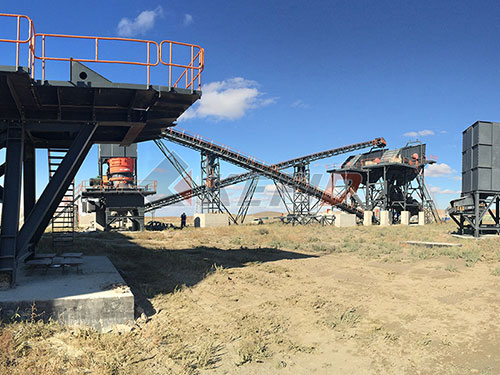
2. Core Areas of Customization by Expert Companies
Leading companies in this field focus on several interconnected customization domains:
A. Screening Process & Machine Configuration Customization
- Screen Type Selection: Experts determine whether a linear motion screen (ideal for scalping and sizing dry materials), a circular motion screen (better for high-capacity sizing), or a specialized elliptical motion screen offers the best balance of efficiency and material handling for the client’s specific coke type (e.g., foundry coke vs. blast furnace coke).
- Deck Configuration: Customizing the number of decks (single, double, or triple) and the slope angle to achieve the required separation stages—typically removing oversized material on the top deck, producing the target product fraction on mid-decks, and separating fine breeze on the bottom.
- Drive System Engineering: The selection and positioning of vibrator motors (dual-shaft rotary exciters are common) or brute-force exciters are customized based on required G-forces, amplitude, and frequency. This ensures sufficient material stratification and conveyance without excessive energy consumption or structural stress.
- Capacity & Geometry: The overall size (width, length) of the screen box is engineered to match plant throughput requirements (tons per hour) while considering available headroom and footprint constraints.
B. Material & Component Customization for Durability
This is arguably the most critical area where customization directly impacts operational cost (OPEX).
- Screen Deck Media: Standard wire mesh is often inadequate. Companies offer customized solutions like:
- Polyurethane (PU) & Rubber Panels: Cast urethane screens with reinforced steel backing provide exceptional abrasion resistance, noise reduction, and longer life. Openings can be precisely cast to size.
- Perforated Plate Decks: Made from high-tensile or abrasion-resistant steel (e.g., AR400), with custom hole patterns (round, square) for top-deck scalping.
- Hybrid Decks: A combination of perforated plate on top for impact resistance and PU panels on lower decks for precise sizing.
- Lining & Protection: Critical wear areas—such as feed boxes, side plates, discharge lips—are lined with replaceable wear liners made from AR steel or specialty alloys like Hardox.
- Body Construction: The main screen body frame is constructed from robust materials with appropriate stiffening to withstand dynamic loads over decades of operation.
C. Sealing & Dust Containment Customization
Containing coke dust is crucial for environmental compliance (PM emissions) and worker safety.
- Custom Gasketing Systems: Multi-layer seals made from silicone rubber combined with felt or other materials are designed to fit precisely around deck frames.
- Dust Enclosures: Companies design full or partial dust hoods integrated into the screen structure. These include inspection doors with quick-release clamps for maintenance access while maintaining seal integrity.
- Dust Extraction Points: Flanges are strategically placed on enclosures to connect seamlessly to the plant’s baghouse or dedusting system.
D. Structural & Integration Customization
The screen must function as an integrated part of the plant.
- Support Structure Design: Companies design custom support systems—either rugged steel stands capable of absorbing dynamic loads or spring-based isolation systems that minimize vibration transmission to the building structure.
- Feed & Discharge Chutes: Integral custom chutes are designed with proper geometry to ensure even material distribution across the full width of the deck (“feed spilling”) while minimizing direct impact on vulnerable areas. Chutes may include wear liners or rock-box designs.
3. The Collaborative Customization Process
A professional customization project follows a systematic engineering approach:
- Application Analysis: The company works closely with client engineers to understand all parameters: feed size analysis (% fines/lumps), moisture content (<5% dry vs >15% wet), required cut points (e.g., +50mm; -25mm+10mm; -10mm), hourly capacity t/h).
- **Site-Specific Assessment Reviewing existing layout constraints spatial limitations foundation conditions ambient temperature range etc
3 Proposal Engineering Based on data collected engineers create detailed CAD models specifying all customized components motion dynamics structural load calculations
4 Client Review Iteration The proposal undergoes rigorous review allowing feedback adjustments before final approval
5 Manufacturing Quality Control Specialized materials procured fabrication welding assembly conducted under strict quality protocols including Non Destructive Testing NDT dynamic balancing exciters
6 Testing Commissioning Many companies perform full scale factory acceptance tests FAT using simulated loads before shipment followed by supervised installation commissioning onsite
4 Benefits Investing Customized Coke Vibration Screen
The upfront investment comprehensive customization yields substantial long term returns
- Maximized Screening Efficiency Precise deck configuration motion parameters ensure accurate sizing reducing product contamination improving blast furnace performance
- Dramatically Extended Service Life Wear resistant components tailored duty cycles mean longer intervals between replacements lowering spare parts inventory costs
- Reduced Total Cost Ownership TCO Despite higher initial capital expenditure CAPEX significant savings accrue from less downtime lower maintenance labor costs reduced energy consumption via optimized drive systems
- Enhanced Operational Safety Robust dust containment protects workers environment reliable predictable operation reduces emergency interventions hazardous situations
- Improved Plant Integration Smooth integration existing infrastructure minimizes installation headaches ensures optimal material flow throughout circuit
Conclusion
In conclusion navigating complexities modern coke production requires far more than simply purchasing screening equipment off catalog It demands strategic partnership specialized vibration screen company possesses deep application knowledge engineering prowess deliver fully customized solution From selecting right deck media withstand relentless abrasion designing precise motion characteristics handle variable feed integrating effective dust control every detail must be meticulously tailored By embracing this level customization producers achieve not only immediate gains reliability throughput but also secure foundation sustainable efficient cost effective operation long term future As industry continues face pressures operational excellence environmental stewardship role these specialized companies providing engineered-to-order solutions will remain indispensable backbone successful metallurgical operations
