Clancy Clean Crushed Concrete: A Comprehensive Guide to a Sustainable Construction Aggregate
In the modern construction and landscape industries, the pursuit of sustainable, cost-effective, and high-performance materials is paramount. Among the various alternatives gaining prominence, processed crushed concrete stands out as a premier example of a circular economy in action. “Clancy Clean Crushed Concrete” represents not just a product, but a process and a philosophy centered on recycling demolition waste into a valuable resource. This article provides a detailed examination of this material, exploring its production process, technical specifications, diverse applications, economic and environmental benefits, and considerations for its optimal use.
1. Definition and Production Process
Clancy Clean Crushed Concrete is a recycled aggregate product derived from demolished concrete structures such as sidewalks, building slabs, curbs, and foundations. The “Clean” designation is critical; it signifies that the material has been processed to remove contaminants like rebar, wire mesh, plastics, wood, and asphalt. This results in a high-quality, homogeneous aggregate comparable to virgin crushed stone.
The production process is systematic and rigorous:
- Source Segregation: The process begins at the demolition site or the recycling facility (like one operated by a company such as Clancy). Concrete debris is separated from other construction and demolition (C&D) waste to ensure a clean feedstock.
- Primary Crushing: The large chunks of concrete are fed into a primary jaw crusher, which breaks them down into manageable sizes.
- Contaminant Removal: The crushed material passes over powerful magnets to extract ferrous metals like rebar. Manual picking stations and specialized screens are used to remove non-ferrous contaminants such as plastic, wood, and paper.
- Secondary Crushing and Screening: The cleaned concrete is then passed through a secondary impact crusher to achieve the desired final gradation. It is screened through a series of sieves to sort it into specific size categories, from large rip-rap to fine concrete sand.
The result is an engineered product with consistent particle size distribution, free of deleterious materials, ready for a multitude of construction applications.
2. Technical Specifications and Gradations
Like virgin aggregates, crushed concrete is available in various gradations to suit different project requirements. Common sizes include:
- CA-6 or Grade 8 (¾” down to fines): A well-graded blend ideal for road base, sub-base, and parking lot foundations. The fines help with compaction and create a solid, stable platform.
- Grade 2 (1½” to 2”): A larger-sized aggregate used for drainage applications, erosion control (rip-rap), and as a base for extremely heavy loads.
- #57 Stone (1” to ½”): A clean, single-sized stone with minimal fines, excellent for drainage behind retaining walls, in French drains, and as a sub-base under concrete slabs where free drainage is needed.
- Concrete Sand (¼” and smaller): The finest grade, used as a bedding material for pavers or pipes or as an ingredient in new concrete mixes.
Key technical properties often make it competitive with virgin stone:
- Compaction & Bearing Capacity: Properly graded and compacted crushed concrete exhibits high California Bearing Ratio (CBR) values and excellent load-bearing capacity.
- Drainability: Larger sizes like #57 stone provide superior permeability.
- Angle of Internal Friction: The angular nature of the crushed particles interlocks tightly, providing significant shear strength.
3. Diverse Applications in Construction and Landscaping
The versatility of clean crushed concrete is one of its greatest assets.
- Road Base & Sub-Base: This is the most common application. It serves as a stable foundation for roads, highways, parking lots,and driveways. Its ability to compact into a dense layer makes it superior to many virgin materials for this purpose.
- Utility Trenches & Backfill: It is an ideal backfill material for water mains sewer lines,and other underground utilities.Its good drainage propertiesand structural stability protect the utilities while allowing waterto percolate away.
- Drainage Systems: As #57 stone or larger rip-rap itis usedin French drains,dry wells,and around culverts.Its angular structure prevents settling while maintaining void spacesfor water flow.
- Erosion Control: Large piecesof crushed concrete(rubbleor rip-rap)areusedto stabilize shorelines,ditch lines,and embankments againstthe erosive forcesof water.
- Landscaping: Itis apopularand economicalchoicefor creatingfirm pathways,temporary construction access roads,and asa basefor patiosand retaining walls.In some aesthetic applicationsit can beusedasadecorative ground cover.
- New Concrete Production: In some casescrushedconcretecan beusedasacoarseaggregatein theproductionof newconcrete particularlyfor structural fillsor lower-gradeapplications thoughthis requirescareful qualitycontrol regardingthe potentialfor residualchloridesor other contaminants.
4.The Compelling Economicand Environmental Benefits
The adoptionof ClancyCleanCrushedConcrete offersa powerfulsynergy betweeneconomicprudenceandenvironmental stewardship.
Economic Advantages:
- Cost Savings: Recycledcrushedconcreteis typically20%to 50%cheaperthanvirginaggregateslike limestoneorgranite.Thisis dueto reducedminingtransportationand processingcosts.The primarycostisin transportationand processingnotin resourceextraction
- Reduced Disposal Fees: For contractorsand demolitioncompaniesusingcrushedconcreteon-siteor deliveringitto arecyclingcenter significantlyreducesor eliminatesthe highcostsof landfillingdemolitiondebris
- Local Availability: Recyclingfacilitiesareoften locatednearurban centerswheredemolitionwasteis generatedand whereconstructionprojectsare occurringThis reduceshaul distancesfurther loweringcostsand the carbonfootprintassociatedwith transport
Environmental Benefits: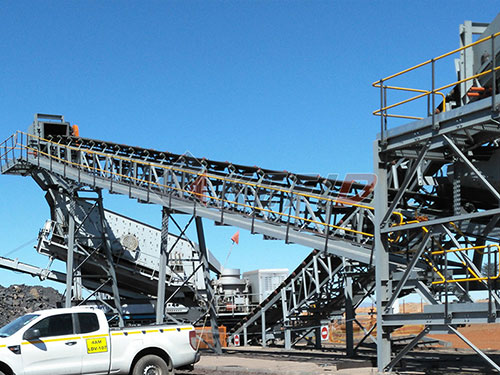
- Landfill Diversion: Constructionand Demolition(C&D)waste accountsfor asignificantportionof thesolidwaste streamin manycountriesBy recyclingconcreteinto anewproduct we dramaticallyreduce the volumewaste sentto landfills preservingvaluableairspace
- Conservationof Natural Resources: Everytonof crushedconcreteusedisa tonof virginaggregatethat doesnot needto bequarriedThis helpsconserve natural landscapes reduce habitatdestructionand preservenon-renewablegeologicalresources
- Reduced Carbon Footprint: The processof crushingandrecyclingconcrete onsiteor locallyconsumesfar lessenergythanquarrying crushingand transportingnewvirginstoneThis leads to lower greenhousegasemissions
- Circular Economy Model Itexemplifiesthe circular economywherethe end-of-lifeof onestructurebecomesthe rawmaterialfor another closingthe loopon materialuse
5.Considerationsand Potential Limitations
While exceptionally usefulitiscrucialtounderstandthe limitationsof crushedconcretetoensureits successfulapplication
1.Potentialfor Contamination: Despite rigorousprocessing thereisaminimalriskthat smallpiecesof foreignmaterial(eg plaster wood)may remainThis makesit generallyunsuitablefor useas anaggregatein structural concretedirectlybut this doesnot impactits performanceasabasematerial
2.pH Level: Newlycrushedconcretecan havea highpH(alkaline)whichcan betemporarilydetrimentalto certainaquaticlife or acid-lovingplantsDirect contactwith waterwaysshouldbe managedcarefullyandin landscapingits usearound sensitiveplantsshouldbe considered
3.GradationVariability: While reputableproducerslike Clancymaintainconsistentgradationsqualitycan varybetweensuppliersItis essentialto sourcematerialfrom trustedrecyclerswho employqualitycontrol processes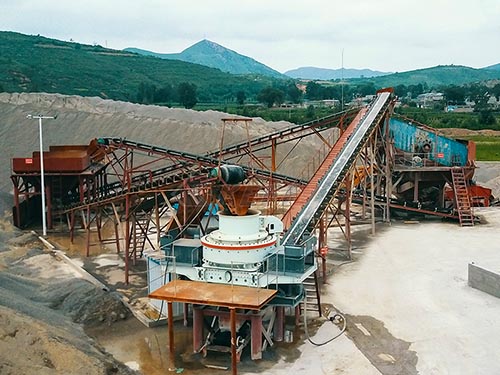
4.Settlement: Like anygranularmaterialit maysunder go minorsettlementafter initialcompactionthoughthis isnomorepronouncedthanwith virginmaterialsPropermoisturecontentand compactionin lift sarecriticalto minimizesettlement
Conclusion
ClancyCleanCrushedConcretehas evolvedfroma nichealternativeinto amainstreamhigh-performanceconstructionmaterialIts productionthrough meticulousprocessingyieldsa reliable versatileand cost-effectiveaggregate that meetsorexceedsthe technicalrequirementsformanycivil engineeringand landscapingapplicationsBeyondits functionalattributesits rolein promoting sustainabilityby reducinglandfillwaste conservingnaturalresourcesand loweringthe overallcarbonfootprintofthe built environmentmakesit anindispensabletool formodernresponsibleconstructionAs regulationsfavorrecycledcontentandsocietalexpectationsforsustainabilitygrowthedemandfor andrelianceonhigh-qualityproductslike ClancyCleanCrushedConcretewill onlycontinue torise
