The Comprehensive Guide to Sourcing a 250-300 TPH Stone Crushing Plant from Wholesalers
In the global construction and mining industries, the demand for high-capacity, efficient, and reliable aggregate production is insatiable. At the heart of this supply chain lies the 250-300 tons per hour (TPH) stone crushing plant—a workhorse facility capable of producing substantial volumes of crushed stone for infrastructure projects, road bases, concrete, and asphalt. For large-scale contractors, quarry operators, and national development projects, sourcing such a plant directly from a specialized wholesaler offers significant advantages in cost, customization, and service. This article provides a detailed professional analysis of the 250-300 TPH crushing plant wholesale market, covering technical specifications, key components, procurement considerations, and market dynamics.
Understanding the 250-300 TPH Crushing Plant
A 250-300 TPH stationary or semi-mobile crushing and screening plant represents a mid-to-large-scale production line. It is designed to process medium-hard to hard rocks like granite, basalt, limestone, and river gravel. This capacity range is strategically important as it balances high output with manageable operational complexity and investment scale, making it a popular choice for regional aggregate suppliers and large contracting firms.
Core Components & Process Flow:
A typical plant in this range follows a multi-stage crushing circuit:
- Primary Crushing (Jaw Crusher): A robust jaw crusher (e.g., 1200x1500mm feed opening) reduces blasted rock from large quarried blocks (up to 1000mm) down to 200-250mm.
- Secondary Crushing (Cone Crusher/Gyratory Crusher): One or two cone crushers (often of the hydraulic adjustment type for finer control) take the primary output and reduce it further to 40-70mm. This stage is critical for achieving product shape and size consistency.
- Tertiary Crushing (Cone Crusher/Impact Crusher): For producing finer aggregates or manufactured sand (M-Sand), a tertiary cone crusher or a vertical shaft impactor (VSI) may be employed. The VSI is particularly valued for its superior cubical product shape.
- Screening & Material Handling: Vibrating screens (typically multi-deck) are interspersed at each stage to separate material by size. Oversize material is recirculated back to the appropriate crusher (closed-circuit design), while on-spec product is sent to stockpile conveyors. The entire system is integrated by a network of heavy-duty belt conveyors.
- Supporting Systems: This includes steel structures/walkways, dust suppression or full baghouse filtration systems, centralized electrical control panels with PLC automation, power distribution units, and sometimes an on-board power generator.
The Role of the Wholesaler/Distributor
Wholesalers in this sector are not mere resellers; they are crucial technical intermediaries between major manufacturers and end-users. Their value proposition includes: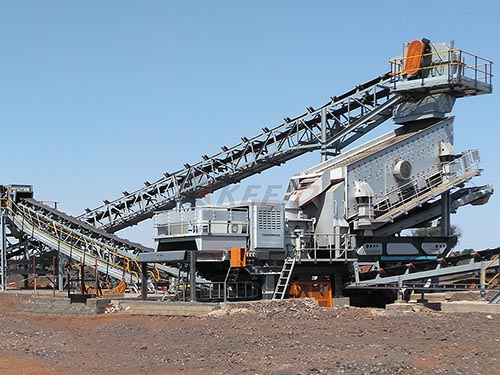
- Cost Efficiency: By purchasing multiple plants or components in bulk from manufacturers (often across different specialties), wholesalers achieve economies of scale they pass on as competitive pricing.
- Single-Point Sourcing & System Integration: A reputable wholesaler can supply a complete “plug-and-play” solution by sourcing crushers from one brand, screens from another, and conveyors from a third, integrating them into a coherent system with a unified warranty and service package.
- Technical Expertise & Customization: They provide application engineering support—designing the optimal flow sheet based on the customer’s feed material characteristics (abrasion index, silica content) and final product requirements (multiple aggregate sizes).
- Logistics & After-Sales Network: They manage complex international shipping, customs clearance for heavy machinery parts like crusher frames and rotors. They also often maintain or partner with local service teams for commissioning spare parts supply.
Key Procurement Considerations When Dealing with Wholesalers
- Reputation & Financial Stability: Due diligence is paramount. Investigate project history references financial health track record in delivering complete plants not just individual machines.
- Technical Capability vs. “Catalog” Selling: Distinguish between wholesalers with in-house engineering teams who can modify layouts offer CFD analysis chute designs those who merely sell standard packages may not suit specific site constraints geology.
- Supply Chain Transparency: Understand origin key components warranties directly from OEMs versus generic parts Some wholesalers offer “white-label” plants combining reputable branded crushers with own-branded structural work conveyors affecting long-term reliability resale value.
- Total Cost Ownership Analysis: Look beyond initial CAPEX Evaluate proposed plant’s energy consumption per ton wear part life manganese steel quality ease maintenance accessibility design projected downtime costs Wholesaler should provide these operational estimates.
- After-Sales Support Structure: Clarify commissioning process training provided spare parts inventory location guaranteed response times availability technical documentation languages Service level agreements SLAs crucial minimizing production losses.
Global Market Dynamics & Major Sourcing Regions
The wholesale market for crushing plants is highly globalized with distinct regional players:
- Chinese Manufacturers/Wholesalers: Dominant force offering compelling price-to-capacity ratios Companies like SBM Shanghai Joyal Machinery have extensive international dealer networks Plants sourced here often represent best value but require thorough factory audits quality control inspections during manufacturing Emphasis increasingly shifting towards higher technology automation meeting European emission standards Key advantage integrated manufacturing most components under one roof reducing interface risks.
- European/North American Wholesalers & Distributors: Represent premium brands Metso Outotec Sandvik Terex etc Often focus on selling complete solutions incorporating advanced automation systems like ASRi for cone crushers telematics Condition monitoring prices significantly higher associated perceived reliability engineering depth residual value strong Established global aftermarket networks ideal customers prioritizing uptime over initial investment.
- Turkish & Indian Wholesalers: Occupy middle ground combining competitive pricing improving quality Turkish firms like Constmach Boratas offer robust semi-mobile options Indian manufacturers Propel Industries etc provide cost-effective solutions well-suited regional markets Both regions active exporting complete plants Africa Middle East Southeast Asia.
Future Trends Influencing Wholesale Offerings
- Electrification & Hybrid Drives: Growing demand plants capable running grid electricity reducing diesel dependency lowering carbon footprint operating costs especially mines quarries transitioning sustainable practices.
- Digitalization IoT Integration: Wholesalers now bundling remote monitoring packages predictive maintenance analytics tracking production tons wear rates energy use real-time becoming standard expectation larger buyers.
- Modularity Mobility Concepts: Even within this capacity range trend towards modular skid-mounted sections allows faster installation relocation reconfiguration as resource deposits shift reduces civil works costs increases project flexibility attractive mining applications.
- Emphasis Sustainability Circular Economy: Plants designed handle recycled concrete asphalt RAP demolition waste becoming more common Wholesalers must provide equipment configurations pre-screening magnets wind sifters effectively process heterogeneous materials.
Conclusion
Sourcing a 250-300 TPH stone crushing plant through a specialized wholesaler is strategic decision that balances technical requirements financial constraints long-term operational goals Success hinges selecting partner deep technical expertise robust supply chain integrity strong after-sales commitment rather than simply lowest bidder The modern wholesale distributor evolves from equipment aggregator technology solution provider offering digital tools performance guarantees As global infrastructure demands continue grow particularly developing regions efficiency gains offered by properly sized professionally supplied integrated crushing plant will remain critical driver economic development For buyer comprehensive due diligence clear specifications ongoing communication throughout design build phases essential ensuring this major capital investment delivers promised returns productivity reliability over its entire lifecycle exceeding decade
