The Economics and Imperatives of CE-Marked Stone Quarry Crushing Plants: A Detailed Analysis of Pricing Factors
In the global construction and infrastructure development sector, the stone quarry crushing plant is a cornerstone of raw material production. When such critical machinery bears the CE mark, it signifies more than just a piece of equipment—it represents compliance with stringent European Union health, safety, and environmental standards. The pricing of a CE-marked stone quarry crushing plant is therefore not a simple figure but a complex reflection of technical sophistication, regulatory compliance, operational efficiency, and long-term value. This article provides a professional and objective analysis of the factors influencing these prices, which typically range from several hundred thousand to multiple millions of euros.
1. Understanding the CE Marking: A Non-Negotiable Cost Driver
The CE mark (Conformité Européenne) is a mandatory conformity marking for products sold within the European Economic Area (EEA). For heavy industrial machinery like crushing plants, it demonstrates adherence to a suite of EU directives, most notably:
- The Machinery Directive (2006/42/EC): Ensures essential health and safety requirements are met regarding design, construction, and guarding.
- The Electromagnetic Compatibility Directive (2014/30/EU): Ensures electrical components do not generate excessive electromagnetic interference.
- The Low Voltage Directive (2014/35/EU): Covers safety for electrical equipment operating within certain voltage limits.
Cost Implications: Achieving CE certification involves substantial investment from the manufacturer. This includes rigorous risk assessments, detailed technical documentation (Technical File), design modifications for enhanced safety (e.g., improved guards, emergency stops, noise suppression), prototype testing by notified bodies (for certain aspects), and the issuance of a formal EU Declaration of Conformity. These processes incur significant R&D, administrative, and testing costs, which are inherently factored into the plant’s price. A non-CE marked plant from a low-cost region may appear cheaper initially but poses legal and operational risks for use in Europe.
2. Core Components & Configuration: The Heart of Capital Expenditure
The price is fundamentally dictated by the plant’s capacity, technology, and composition.
- Crushing Circuit Configuration: A basic stationary plant with a single jaw crusher for primary crushing will cost substantially less than a multi-stage mobile or semi-mobile plant incorporating primary jaw crushers, secondary cone crushers, tertiary impact crushers for shaping, and even quaternary VSI crushers for high-quality manufactured sand.
- Capacity & Throughput: Plants are rated by tons per hour (tph). A 150 tph plant has a different price architecture than a 400 tph or 1000+ tph plant. Higher capacity requires larger crushers, heavier-duty feeders, wider conveyors (with higher tensile strength belts), and more robust structural steel supports.
- Mobility: Stationary plants are generally less expensive per ton of capacity but involve high installation costs. Mobile Track-Mounted Plants, integrating feeders, crushers, and screens on single or multiple tracked chassis with on-board diesel-electric drives or direct diesel-hydraulic systems command premium pricing due to their engineering complexity and flexibility.
- Automation & Control Systems: Modern plants with sophisticated PLC-based control systems offering real-time monitoring (e.g., crusher load management, CSS adjustment on-the-fly), automated metal detection/tramp release systems like hydraulic clearing cylinders on cone crushers) represent significant added value—and cost—over basic manual setups.
3. Material Science & Manufacturing Quality: The Price of Durability
The quality of materials used in wear parts directly impacts both initial price and long-term operating costs.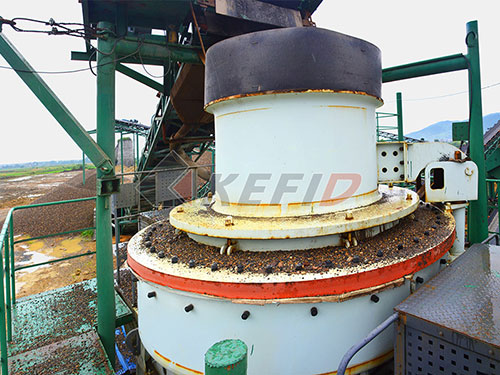
- Crusher Liners & Wear Parts: Crushers equipped with premium manganese steel alloys (e.g., M1/M2 grade) or composite ceramic liners last longer but are more expensive. The design philosophy—whether focused on easy replacement or maximum wear life—affects component pricing.
- Structural Integrity: The use of high-grade steel for platforms, chassis frames fabricated using robotic welding techniques ensures durability under constant vibration and load stresses.
4. Environmental Compliance Systems: An Integrated Cost Factor
Modern CE-marked plants must integrate environmental controls seamlessly into their design:
- Dust Suppression: Advanced systems using atomized mist cannons at transfer points combined with enclosed conveyors add cost over simple water sprays.
- Noise Abatement: Acoustic enclosures for generators/vibrating motors sound-damped panels significantly contribute to meeting strict EU noise emission limits but increase material costs.
5. Market Dynamics & Brand Equity
Pricing also operates within broader market contexts:
- Manufacturer Tiering: Established European OEMs command premium prices based on brand reputation extensive R&D networks comprehensive after-sales support including readily available spare parts logistics). Emerging Asian manufacturers offering CE-compliant plants can present competitive alternatives often at lower price points though potential buyers must diligently verify certification authenticity long-term support capabilities).
- Supply Chain & Raw Material Costs: Fluctuations in global steel prices semiconductor availability directly influence manufacturing costs passed onto end-users).
- Geographical Considerations: Freight logistics import duties installation commissioning services vary greatly by destination affecting total landed cost).
Detailed Price Range Breakdown (Estimative)
It is crucial to view pricing through these tiers:
- Small to Medium Stationary Plant (100-200 tph): A basic CE-marked stationary plant with primary/secondary crushing stages minimal automation starts around €250000 – €500000+ depending on specifications).
- Medium to Large Stationary/Semi-Mobile Plant (200-500 tph): Featuring multi-stage crushing advanced screening dust control sophisticated PLC systems prices typically range from €750000 – €2 million+).
- High-Capacity/Mobile Track-Mounted Plants:
- A single mobile jaw crusher unit can cost €350000 – €600000+.
- A complete mobile circuit jaw + cone + screen) can range from €1 million – €2.5 million+ per train often requiring multiple units for full process flow).
- Large-Scale Turnkey Installation (>500 tph): Custom-engineered stationary plants designed as complete processing hubs including extensive material handling stockpiling automated control rooms can easily exceed €5 million reaching into tens of millions).
Beyond Purchase Price: Total Cost Ownership TCO)
A professional evaluation always considers TCO where higher initial investment in quality CE-marked equipment yields returns through:
- Lower Downtime: Reliable components reduce unplanned stoppages).
Higher Energy Efficiency: Modern electric drives variable frequency drives optimize power consumption versus older diesel-hydraulic systems).
Reduced Wear Part Consumption: Quality liners last longer lowering cost per ton crushed).
Compliance Security: Eliminates risk fines operational bans due non-compliance).
Conclusion
The price tag attached to a CE-marked stone quarry crushing plant is therefore an amalgamated value proposition encompassing regulatory adherence engineering excellence operational efficiency sustainability commitments). While initial capital outlay appears significant it represents an investment in predictable safe productive compliant operation essential succeeding within regulated markets like Europe). Buyers are advised conduct thorough due diligence not only comparing base quotations but evaluating technical specifications post-warranty support availability total projected operating costs over expected asset lifetime). Ultimately selecting right CE-marked plant involves balancing upfront budget constraints against long-term strategic goals reliable aggregate production sustainable business growth).
