
Title: Comprehensive Analysis of CE Marked Slag Crusher Plants: Design, Compliance, and Operational Excellence
Introduction
In the modern industrial landscape, the efficient processing of by-products such as slag is not merely an environmental necessity but also a significant economic opportunity. Slag, a by-product of steelmaking, smelting, and other metallurgical processes, contains valuable metallic components and mineral aggregates. To recover these materials effectively, specialized crushing and screening plants are employed. Among these, the CE Marked Slag Crusher Plant represents the gold standard in terms of safety, quality, and regulatory compliance within the European Economic Area (EEA) and many other global markets. This article provides a detailed, professional, and objective examination of CE marked slag crusher plants, covering their technical specifications, the significance of CE certification, operational principles, key components, and the economic and environmental benefits they offer.
1. Understanding Slag and the Need for Specialized Crushing
Slag is a non-metallic, glass-like material that forms on the surface of molten metal during the refining process. Its composition varies significantly depending on the type of furnace (e.g., Basic Oxygen Furnace, Electric Arc Furnace, Blast Furnace) and the raw materials used. Typically, slag contains oxides of calcium, silicon, aluminum, magnesium, and iron, along with trace amounts of other elements. The metallic content, often in the form of steel shot or fines, can be recovered and recycled back into the steelmaking process, while the mineral portion can be used in construction, road building, cement production, and agriculture.
Processing slag requires robust, heavy-duty machinery capable of handling highly abrasive, hard, and sometimes magnetic materials. A standard aggregate crusher is often insufficient. A dedicated slag crusher plant is designed to:
2. The Significance of CE Marking
The CE marking (Conformité Européenne) is a mandatory conformity mark for products placed on the market within the European Economic Area. For a slag crusher plant, CE marking is not optional; it is a legal requirement. It signifies that the manufacturer has assessed the product and declared that it meets all applicable EU health, safety, and environmental protection requirements, as outlined in relevant directives and regulations.
Key Directives Applicable to Slag Crusher Plants:
Benefits of CE Marking for the Buyer:
3. Core Components of a CE Marked Slag Crusher Plant
A typical slag crusher plant is a multi-stage processing system. While configurations vary based on capacity and final product requirements, the core components are standardized.
3.1. Primary Crushing Unit
The first stage involves reducing large slag boulders (often 300-800 mm) to a manageable size (100-200 mm). This is typically achieved using a Jaw Crusher or a Gyratory Crusher. For slag, a heavy-duty jaw crusher with a deep crushing chamber and high manganese steel jaws is preferred. The CE marking requires that the crusher have interlocking guards, emergency stop buttons, and a safe access platform.
3.2. Magnetic Separation
A critical feature of any slag plant is the removal of ferrous metals. This is done using Overband Magnetic Separators or Magnetic Head Pulleys. These are placed after the primary crusher and often after secondary crushing. The recovered metal scrap is a valuable by-product. CE compliance for magnetic separators involves ensuring that the magnetic field does not pose a risk to pacemakers and that electrical components are properly insulated.
3.3. Secondary and Tertiary Crushing
To achieve finer aggregates (e.g., 0-5 mm, 5-20 mm), Cone Crushers or Impact Crushers are used. Cone crushers are ideal for producing cubical-shaped aggregates, while impact crushers are more effective for breaking down the glassy, brittle nature of slag. However, impact crushers experience higher wear rates. CE marking requires that all rotating parts are fully guarded and that the crusher has a safe system for changing wear parts.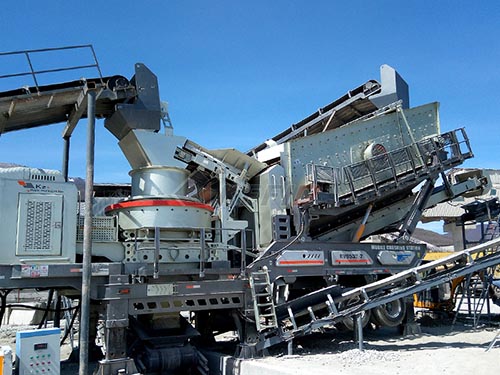
3.4. Screening and Classification
Vibrating screens separate the crushed material into different size fractions. Multi-deck screens are common. The screening process must be efficient to ensure product quality. CE compliance for screens includes protection against pinch points, vibration isolation, and safe access for screen deck changes.
3.5. Conveying and Material Handling
Belt conveyors transport material between stages. They must be equipped with emergency pull cords, belt alignment switches, and safety covers. CE marking requires that all nip points (where the belt meets the pulley) are guarded.
3.6. Dust Suppression and Control
Slag processing generates significant dust, which can contain silica and heavy metals. A CE marked plant must include a dust suppression system, such as water spray nozzles or a baghouse filter. This is not only an environmental requirement but also a health and safety obligation under the Machinery Directive.
3.7. Control System
Modern plants are controlled by a Programmable Logic Controller (PLC) with a Human-Machine Interface (HMI). The control system must be designed to prevent unsafe operations, such as starting the crusher while the conveyor is blocked. CE compliance requires that the control system meets the safety integrity level (SIL) requirements as per EN ISO 13849.
4. Operational and Safety Considerations
Operating a slag crusher plant requires strict adherence to safety protocols. The CE marking process mandates that the manufacturer provides a comprehensive Operation and Maintenance Manual in the language of the user country. This manual must include:
Common Hazards and Mitigation:
5. Economic and Environmental Benefits
Investing in a CE marked slag crusher plant offers substantial returns.
Economic Benefits:
Environmental Benefits:
6. Selection Criteria for a CE Marked Slag Crusher Plant
When evaluating suppliers, buyers should consider the following objective criteria:
7. Conclusion
A CE Marked Slag Crusher Plant is far more than a piece of machinery; it is a comprehensive, legally compliant, and safety-engineered system designed to transform an industrial by-product into valuable resources. The CE marking provides an objective, third-party validated assurance that the plant meets the highest standards of safety, health, and environmental protection in Europe. For any company involved in steelmaking, metal recycling, or construction materials, investing in such a plant is a strategic decision that aligns with both economic profitability and environmental stewardship. The rigorous design, robust construction, and mandatory safety features of a CE marked plant ensure long-term operational reliability, reduced liability, and a clear path toward a circular economy. As global regulations tighten and the demand for sustainable materials grows, the CE marked slag crusher plant will remain an indispensable asset for modern industry.
If you have any questions about our products, please feel free to contact us. We take all inquiries and suggestions very seriously.