
CE-Marked Hammer Mill Pricing: A Comprehensive Market and Technical Analysis
Introduction
In the procurement of industrial processing equipment, the CE mark serves as a critical benchmark for regulatory compliance, safety, and market access within the European Economic Area (EEA). For hammer mills—versatile machines used extensively in agriculture, biomass processing, chemical manufacturing, and recycling—the presence of CE marking significantly influences both the technical specifications and the pricing structure. This article provides a detailed, objective analysis of the factors driving CE-marked hammer mill prices, the technical distinctions between CE and non-CE units, and the broader market dynamics that procurement professionals must consider when budgeting for such equipment.
The Regulatory and Technical Basis of CE Marking
The CE mark is not a quality certification per se but a declaration by the manufacturer that the equipment complies with all applicable EU directives and regulations. For hammer mills, the relevant directives typically include the Machinery Directive (2006/42/EC), the Electromagnetic Compatibility (EMC) Directive (2014/30/EU), and, where applicable, the ATEX Directive (2014/34/EU) for equipment intended for use in potentially explosive atmospheres—a common requirement in biomass and grain processing where dust hazards exist.
Achieving CE compliance necessitates a structured engineering and documentation process. Manufacturers must conduct a risk assessment, implement protective measures (such as guarding, emergency stop systems, and interlocking devices), and compile a technical file. For high-risk categories, third-party involvement by a Notified Body may be required. These compliance activities impose direct costs on the manufacturer—costs that are ultimately reflected in the unit price. Consequently, a CE-marked hammer mill typically commands a premium of 10% to 30% over comparable non-CE models, depending on the complexity of the compliance scope and the involvement of external certification bodies.
Key Technical Specifications Influencing Price
The price of a CE-marked hammer mill is determined by a constellation of technical parameters. Understanding these variables is essential for accurate budget forecasting.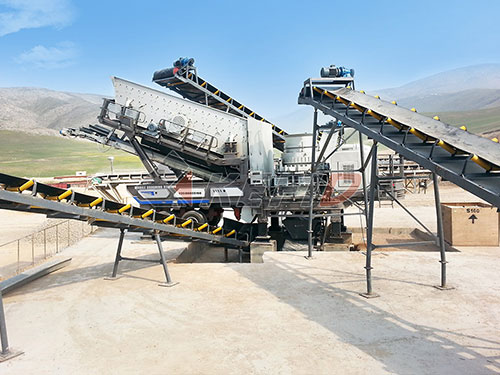
Drive Power and Rotor Configuration: Hammer mills range from small laboratory units (1–5 kW) to heavy-duty industrial models exceeding 250 kW. The motor, rotor assembly, and bearing system must be sized to withstand continuous impact loading. Higher power ratings and reinforced rotor designs (e.g., forged vs. welded construction) substantially increase cost.
Construction Materials: Standard models are fabricated from carbon steel, while food-grade, pharmaceutical, or corrosive-environment applications require stainless steel (304 or 316L). The material upgrade can increase the base price by 40% to 100%. CE compliance further mandates that all product-contact surfaces be designed for cleanability, which influences fabrication complexity.
Safety and Control Systems: CE-marked units must incorporate safety features such as vibration monitoring, temperature sensors, zero-speed switches, and interlocked access doors. Advanced PLC-based control systems with data logging and remote monitoring capabilities add significant cost but are increasingly demanded in regulated industries.
Throughput and Particle Size Requirements: A mill designed for 5 t/h with a D90 of 500 µm will differ markedly in price from one specified for 20 t/h with a D90 of 100 µm. Screen area, hammer tip speed, and air assist systems all scale with performance requirements.
ATEX Certification: For dust-explosive environments, ATEX-compliant construction (grounding, explosion venting, and intrinsic safety) can add 25% to 50% to the equipment cost.
Price Ranges and Market Segmentation
Based on current market data, CE-marked hammer mills can be segmented into three broad price tiers:
Entry-Level / Laboratory Scale (1–7.5 kW): €3,000–€12,000. These units are typically used for R&D, small-batch processing, or educational purposes. CE compliance is relatively straightforward, and the units often feature benchtop or compact floor-standing designs.
Mid-Range / Pilot to Small Production (11–45 kW): €15,000–€45,000. This tier serves small to medium enterprises in feed milling, spice processing, or recycling. Units feature robust construction, interchangeable screens, and basic automation. CE compliance includes full guarding and emergency stop systems.
Industrial / High-Capacity (55–250+ kW): €50,000–€250,000+. These are heavy-duty systems with automated feed control, dust extraction integration, and advanced safety architectures. ATEX certification and stainless steel construction are common in this tier, pushing prices toward the upper bound.
It is important to note that these figures represent ex-works equipment costs. Total installed cost—including foundations, ducting, electrical infrastructure, commissioning, and training—typically adds 30% to 60% to the equipment price.
Regional Pricing Dynamics and the CE Mark
The CE mark is mandatory for equipment sold within the EEA, but it is also recognized in many other jurisdictions as a de facto safety benchmark. Manufacturers in Europe, Turkey, and increasingly China and India produce CE-marked hammer mills for export. Chinese CE-marked units often undercut European equivalents by 20% to 35%, though buyers must exercise due diligence to verify the legitimacy of the declaration and the technical file’s completeness. A “CE mark” applied without a proper conformity assessment is legally invalid and may expose the purchaser to liability.
European-manufactured CE-marked hammer mills carry a premium reflecting higher labor costs, robust after-sales support, and often superior build quality. German and Italian manufacturers, in particular, command premium pricing (€80,000–€300,000 for industrial units) due to their reputation for engineering excellence and comprehensive spare parts availability.
Total Cost of Ownership Considerations
Procurement decisions based solely on purchase price are inherently flawed. The total cost of ownership (TCO) for a CE-marked hammer mill encompasses energy consumption (which can represent 40%–60% of lifetime costs), wear parts (hammers, screens, and liners), maintenance labor, and downtime. CE-compliant machines often feature more efficient motors (IE3 or IE4 efficiency classes) and better access for maintenance, which can offset the initial price premium over a 5–10 year horizon.
Conclusion
The pricing of CE-marked hammer mills is a function of regulatory compliance costs, technical specifications, and market positioning. Buyers should expect a 10%–30% premium for CE conformity, with entry-level units starting around €3,000 and industrial systems exceeding €250,000. A rigorous procurement process should verify the authenticity of the CE declaration, evaluate the technical file, and consider total cost of ownership rather than sticker price alone. As global supply chains diversify and safety regulations tighten, the CE mark will remain a pivotal factor in hammer mill specification and pricing strategy.
If you have any questions about our products, please feel free to contact us. We take all inquiries and suggestions very seriously.