
In the competitive world of aggregate production for construction and infrastructure projects, the CE-Marked 250-300 TPH (Tonnes Per Hour) Stone Crushing Plant represents a significant benchmark. It signifies more than just high-capacity machinery; it embodies a complete, integrated processing solution that meets rigorous European standards for safety, environmental protection, and performance. For dealers specializing in such equipment, this product category is a cornerstone offering that caters to mid-to-large scale quarry operators, major construction firms, and recycling enterprises.
The core specification defines the plant’s output capacity: it is engineered to process between 250 and 300 tonnes of raw material per hour. This capacity places it firmly in the medium-to-high production range, suitable for:
The range (250-300 TPH) indicates flexibility. The actual output depends on several factors, including: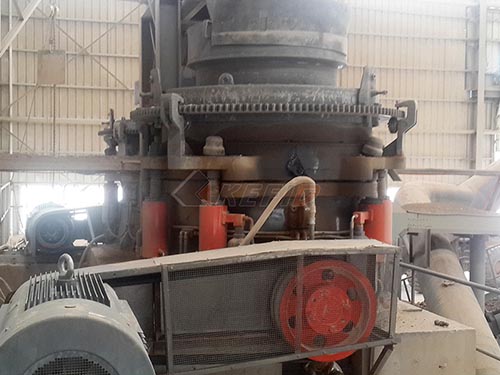
For a dealer in Europe and many other markets adopting similar norms, the CE mark is not merely a sticker; it is a fundamental sales feature and a legal requirement. It certifies that the crushing plant conforms to all applicable European Union health, safety, and environmental directives. Key directives include:
For the end-user buyer—the quarry operator—a CE-marked plant provides assurance of regulatory compliance, reducing legal risk on site. It also implies a certain baseline quality in design and manufacturing. For the dealer handling such complex equipment from manufacturers (often based in Turkey or China), ensuring full CE compliance through proper technical documentation (Technical File), risk assessments (EC Declaration of Conformity), and correct labeling is a critical part of their value chain.
A dealer’s offering for a 250-300 TPH plant is typically a modular “stationary” or “semi-stationary” solution rather than a single machine. A standard configuration often includes:
Modern plants offered by progressive dealers also integrate features like dust suppression systems water sprays at transfer points noise enclosures for certain components easy-walk access platforms for maintenance which are all part of compliant CE-marked design.
A reputable dealer specializing in these plants acts as much more than just an order-taker Their expertise adds crucial value:
The market for such plants is driven by global infrastructure development urbanization replacement demand for older inefficient equipment Dealers face competition from:
Direct sales from large multinational OEMs Original Equipment Manufacturers
Other independent dealers representing different manufacturers
Used equipment suppliers offering lower-cost alternatives albeit without warranty modern efficiency standards
A successful dealer differentiates themselves through deep technical knowledge reliable aftermarket support ability to provide flexible financing options strong relationships with quality-conscious manufacturers who consistently deliver CE-compliant reliable machinery
Furthermore sustainability trends are impacting this sector Dealers increasingly need to offer solutions for processing recycled concrete aggregate RCA demolition waste within their crushing circuits Plants might be configured with magnetic separators wind sifters etc highlighting versatility beyond virgin stone crushing
The CE-Marked TPH Stone Crushing Plant stands as testament modern industrial engineering where raw power meets precision regulation For quarry operators it represents productivity reliability legal compliance For dealers it represents complex high-value product demanding extensive technical commercial support capabilities Success dealing these systems hinges understanding intricate interplay between mechanical performance regulatory frameworks application-specific needs Ultimately dealer role translating manufacturer hardware into client profitable trouble-free aggregate production asset making them indispensable partner heavy construction materials industry
Lorem ipsum dolor sit amet, consectetur adipisicing elit. Consectetur sequi saepe ut sunt eveniet perferendis excepturi, iste obcaecati. Qui tempore hic sed quia soluta obcaecati vel.