
In the global aggregates and mining industry, the specification of a CE-Marked 250-300 TPH Stone Crushing Plant represents more than just a high-capacity production unit. It signifies a fully integrated processing system engineered to European Union standards for safety, health, environmental protection, and machinery directives. This article provides a detailed exploration of such a plant, covering its core components, operational principles, the critical importance of CE marking, design considerations, and its role in modern construction and infrastructure projects.
A 250-300 TPH (Tonnes Per Hour) stone crushing plant is classified as a medium-to-large scale stationary or semi-mobile setup designed for hard rock (granite, basalt) or abrasive materials (limestone, river gravel). The capacity range indicates the plant can process between 250 and 300 metric tons of raw feed material per hour under optimal conditions. This output is typically sufficient to supply major infrastructure projects like highways, railways, large commercial developments, and regional concrete/asphalt production facilities.
The “CE Marking” is not a quality certificate but a legal manufacturer’s declaration that the machinery complies with all applicable EU legislation (notably the Machinery Directive 2006/42/EC). For a complex assembly like a crushing plant, this extends to every component—from crushers and screens to conveyors and control panels—ensuring they meet stringent safety and engineering integrity standards.
A well-engineered 250-300 TPH plant is a symphony of interconnected machines. Its design follows a specific “crushing circuit” tailored to the feed material’s properties and the desired final product gradations.
1. Primary Crushing Station:
2. Secondary Crushing Stage:
3. Tertiary/Fine Crushing Stage:
4. Screening Units:
5. Material Handling System:
6. Ancillary Systems:
For an operator outside Europe purchasing such equipment from an international supplier like China or Turkey—or vice-versa—the CE mark is non-negotiable for market access within the EEA (European Economic Area).
Designing this capacity plant requires meticulous planning:
Modern plants increasingly incorporate automation optimization systems which adjust crusher settings real-time based on feed conditions maximize throughput energy efficiency while maintaining product quality
Capital investment significant but justified by high-volume production economies scale Key operational costs include: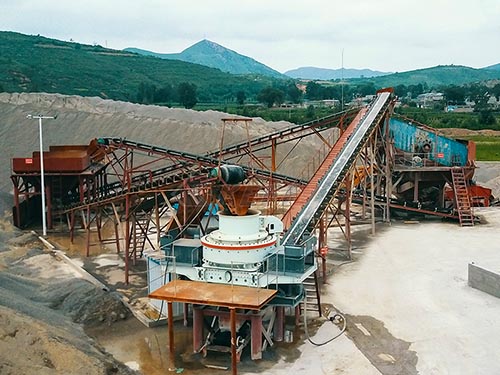
1 Wear Parts Consumption Regular replacement manganese jaws cone liners impact hammers blow bars screen meshes constitute major ongoing expense Material abrasiveness directly impacts cost per ton
2 Energy Consumption Crushers especially cone crushers large power consumers Optimized circuit design efficient drives contribute substantially lower operating expenses
3 Labor Modern automated plants require relatively small operational crew focus monitoring maintenance rather than manual intervention
4 Compliance Costs Effective dust noise control systems necessary meet environmental regulations avoid fines work stoppages
A CE-Marked TPH stone crushing plant represents pinnacle engineering within aggregate processing sector It combines high-volume production capabilities with rigorously enforced framework safety environmental stewardship Beyond mere collection machines it integrated system designed deliver consistent reliable output while safeguarding operators environment The presence mark assures not only legal compliance within European markets but also serves global benchmark responsible industrial machinery design As demand high-quality construction materials continues grow alongside emphasis sustainable safe operations such plants will remain cornerstone global infrastructure development Their continued evolution towards greater efficiency connectivity through Industry principles promises further advancements productivity resource utilization years come
Lorem ipsum dolor sit amet, consectetur adipisicing elit. Consectetur sequi saepe ut sunt eveniet perferendis excepturi, iste obcaecati. Qui tempore hic sed quia soluta obcaecati vel.