Bulk Stone Crusher Plant Suppliers: A Comprehensive Guide to Sourcing, Selection, and Strategic Partnership
In the global construction and mining industries, the demand for aggregates—crushed stone, sand, and gravel—is foundational. At the heart of aggregate production lies the stone crusher plant, a complex assembly of machinery designed to reduce large rocks into specified sizes. For large-scale projects, quarries, and aggregate producers, sourcing these plants in bulk represents a significant capital investment with profound implications for operational efficiency, product quality, and long-term profitability. This detailed guide explores the landscape of bulk stone crusher plant suppliers, providing a professional analysis of market segments, key selection criteria, strategic sourcing considerations, and emerging industry trends.
Understanding the Market Structure of Suppliers
The global market for bulk crusher plant suppliers is stratified into distinct tiers, each with its own value proposition.
-
Tier-1: Global Integrated OEMs (Original Equipment Manufacturers)
These are multinational corporations with extensive R&D capabilities, full in-house manufacturing of core components (like jaws, cones, rotors), and a worldwide dealer network. Examples include Metso Outotec (now merged as Metso), Sandvik Mining and Rock Technology, Terex MPS (Cedarapids), and ThyssenKrupp.
- Advantages for Bulk Buyers: Unmatched technical support globally standardized parts interchangeability comprehensive process engineering services long-term reliability data and robust warranties.
- Considerations: Premium pricing longer lead times for fully customized plants.
-
Tier-2: Established Regional & Specialized Manufacturers
This tier comprises highly respected companies that dominate specific geographic regions or excel in particular technologies. Examples include China’s SBM Machinery (known for mobile track plants) Germany’s Kleemann (part of the Wirtgen Group) Italy’s Baioni Crushing Plants.
- Advantages: Often offer a compelling balance between price and performance deep regional application knowledge more flexible customization options compared to Tier-1 giants potentially shorter delivery timelines.
-
Tier-3: Cost-Competitive Volume Producers
Predominantly located in manufacturing hubs like China India Turkey these suppliers focus on competitive pricing and high production volumes. They range from reputable factories with growing engineering expertise to smaller assemblers.
- Advantages: Lowest initial capital outlay.
- Considerations: Quality can vary dramatically post-sales service and technical support may be limited parts availability outside their region can be challenging critical due diligence is essential.
Critical Technical & Commercial Selection Criteria for Bulk Procurement
Purchasing multiple plants is not merely about repeating a single order it necessitates a holistic evaluation framework.
A. Plant Configuration & Technology:
- Crushing Circuit Design: Understand the difference between open and closed-circuit configurations. For consistent product shape in secondary/tertiary stages closed circuits with screening feedback are standard.
- Crusher Types & Application Fit: Match the crusher to the material (abrasiveness hardness feed size) and desired output.
- Jaw Crushers: Primary crushing robust but less precise shaping.
- Cone Crushers: Secondary/Tertiary excellent for hard abrasive materials good product shape.
- Impact Crushers (Horizontal/Vertical Shaft): Excellent for softer less abrasive materials superior product shape ideal for asphalt/concrete aggregates.
- Mobility Requirement: Stationary plants offer higher capacity and stability for fixed quarry sites. Mobile/Fully Mobile plants (tracked or wheeled) are crucial for contract crushing multi-site operations or mines with shifting faces.
- Automation & Control Systems: Modern PLC-based systems with continuous load monitoring automatic setting adjustment (ASRi for cones) are no longer luxuries but necessities for optimizing throughput protecting equipment from tramp metal damage.
B. Supplier Evaluation Matrix:
- Engineering Capability: Assess their ability to provide detailed flow diagrams General Arrangement drawings foundation plans electrical schematics.
- Manufacturing Quality & Standards: Request documentation on welding procedures material certifications (e.g., wear plate grade steel castings) quality control protocols during assembly.
- Reference Projects & Site Visits: Insist on visiting existing installations preferably those operating for 2+ years to assess real-world performance maintenance access wear life.
- After-Sales Support Ecosystem:
- Parts Inventory: Availability location of regional warehouses lead times for critical wear parts (liners blow bars mantles).
- Service Engineers: Qualifications response time availability of field service.
- Training: Comprehensiveness of operator maintenance training programs.
C. Commercial & Logistical Considerations for Bulk Orders:
- Total Cost of Ownership (TCO): Move beyond initial Capex. Calculate estimated operating costs per ton including power consumption wear part consumption labor maintenance downtime.
- Payment Terms & Financing: Bulk orders often allow negotiation of milestone-based payment terms supplier-supported financing or leasing options.
- Logistics & Commissioning: Clarify Incoterms clearly define responsibilities for shipping customs clearance onsite offloading foundation preparation mechanical erection electrical connection supervised commissioning performance testing.
Strategic Sourcing Approaches
-
Single-Source vs Multi-Source Strategy: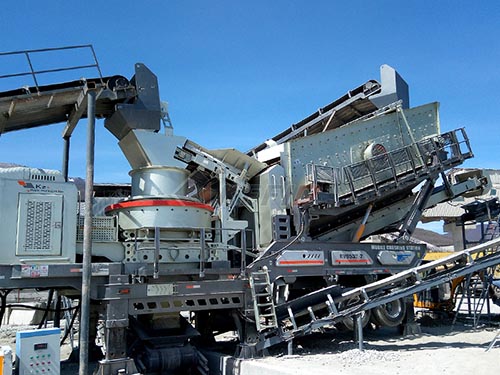
- Single-Sourcing: Simplifies parts inventory training builds a stronger strategic partnership potentially leading to better pricing support consistency across all sites.
- Multi-Sourcing: Mitigates supply chain risk allows benchmarking different technologies may foster competitive pricing among suppliers but complicates operations.
-
The Role of EPC Contractors: For turnkey mega-projects many buyers engage Engineering Procurement Construction contractors who then manage the supplier selection process leveraging their bulk purchasing power project management expertise.
-
Due Diligence Imperatives:
Conduct thorough factory audits inspect sub-supplier facilities review financial stability reports verify intellectual property ownership avoid “copycat” designs that may infringe patents lack engineering rigor.
Emerging Trends Shaping Supplier Offerings
- Digitalization & Smart Plants: Leading suppliers now offer integrated IoT platforms enabling remote monitoring predictive maintenance based on vibration temperature trends production data analytics dashboards fleet management tools—key factors when managing multiple plants across dispersed locations from one central office via cloud-based platforms like Metso Metrics Sandvik My Fleet etc..
Sustainability Focus: Demand is growing for electric/hybrid drives dust suppression systems noise encapsulation water recycling within washing circuits—suppliers investing in these technologies gain competitive advantage especially in environmentally sensitive markets Europe North America Australia..
Modular Pre-Assembled Designs To reduce onsite installation time cost risk suppliers increasingly offer plants in large modular sections pre-wired pre-piped tested before shipment—a significant benefit when deploying identical units rapidly at multiple greenfield sites simultaneously..
Circular Economy Integration Modern plants are increasingly designed not just virgin rock but also processing construction demolition waste C&D as recycled aggregates requiring features like powerful magnets wind sitters advanced screening..
Conclusion
Selecting a supplier for bulk stone crusher plants is one most consequential decisions an aggregate producer will make extending far beyond simple equipment purchase into forming long-term strategic partnership defining operational capabilities decades come.. A disciplined approach balancing technical specifications rigorous supplier evaluation comprehensive TCO analysis will yield far greater returns than focusing solely on lowest bid price.. By understanding stratified supplier landscape applying structured selection criteria anticipating future trends digitalization sustainability buyers can secure not just machinery but complete productive reliable aggregate production system capable meeting evolving demands global construction infrastructure markets.. The most successful partnerships are built shared vision where supplier acts as technology process partner committed optimizing client’s profitability over entire lifecycle equipment through innovation support deep industry knowledge
