Bulk Stone Crusher Machine Procurement: A Comprehensive Guide for Industrial Buyers
Introduction
The procurement of bulk stone crusher machines is a critical, high-stakes process for companies operating in the mining, quarrying, construction, and aggregate production sectors. Unlike standard industrial equipment, stone crushers represent a long-term capital investment that directly impacts operational efficiency, product quality, and overall profitability. A poorly executed procurement can lead to frequent breakdowns, excessive downtime, substandard output, and inflated operating costs. Conversely, a well-planned, data-driven procurement strategy ensures that the machinery aligns with the specific material characteristics, production targets, and regulatory requirements of the operation.
This article provides a detailed, professional, and objective examination of the bulk stone crusher machine procurement process. It covers the fundamental types of crushers, key technical specifications, supplier evaluation criteria, total cost of ownership (TCO) analysis, contractual considerations, and post-procurement support. The goal is to equip procurement managers, project engineers, and C-suite decision-makers with the knowledge necessary to make informed, risk-mitigated purchasing decisions.
1. Understanding the Core Types of Stone Crushers
Before initiating any procurement, it is essential to understand the primary crushing stages and the machinery suited for each. Bulk stone crushers are typically categorized by their function in the size reduction circuit.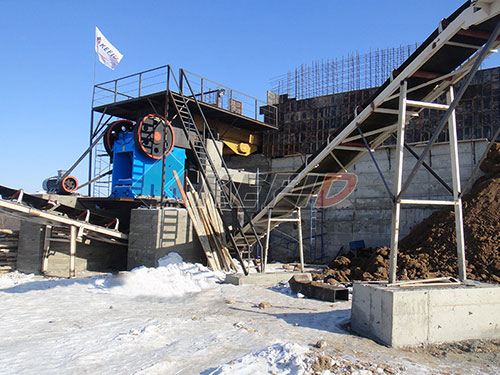
-
Primary Crushers: These machines handle the largest feed material, often run-of-mine (ROM) rock with sizes exceeding 1 meter. The two dominant types are:
- Jaw Crushers: Known for their reliability and simplicity. They are ideal for hard, abrasive materials but have a lower reduction ratio (typically 4:1 to 6:1). Procurement considerations include toggle plate design, bearing quality, and the ability to handle slabby material.
- Gyratory Crushers: Preferred for very high-capacity operations (over 5,000 tons per hour). They offer a higher reduction ratio and a more consistent product shape than jaw crushers, but they come with a significantly higher initial capital cost and require substantial civil engineering works.
-
Secondary and Tertiary Crushers: These machines refine the product from the primary crusher to meet specific aggregate size and shape requirements.
- Cone Crushers: The industry standard for secondary and tertiary crushing of hard, abrasive rock. They offer excellent particle shape and high production efficiency. Key procurement factors include the eccentric throw, chamber profile (e.g., coarse, medium, fine), and the automation system (e.g., Hydroset or similar).
- Horizontal Shaft Impactors (HSI): Used for softer, less abrasive materials like limestone. They provide a high reduction ratio and excellent cubicity but incur higher wear costs due to impact forces.
- Vertical Shaft Impactors (VSI): Primarily used for tertiary and quaternary crushing to produce high-quality, cubical-shaped aggregates and manufactured sand. VSI crushers are also used for shaping and polishing.
-
Specialized Crushers:
- Hammer Mills: Used for crushing coal, gypsum, and other soft materials. They are less common in hard rock applications.
- Roll Crushers: Suitable for sticky materials or for producing a very fine, uniform product.
2. Key Technical Specifications and Performance Metrics
When procuring bulk stone crushers, objective technical data must be the foundation of the decision. The following specifications are non-negotiable:
- Feed Opening (Gape) and Closed Side Setting (CSS): The gape determines the maximum rock size the crusher can accept. The CSS dictates the final product size. For example, a jaw crusher with a 1.2m x 1.5m gape and a CSS of 150mm will produce a product where 80% passes 150mm.
- Throughput Capacity (TPH): Measured in tons per hour, this must be calculated based on the specific material density, moisture content, and feed gradation. Suppliers often provide capacity charts, but these are based on ideal conditions. A safety factor of 10-20% should be applied.
- Motor Power (kW/HP): Directly correlates to the crusher’s ability to handle hard rock and maintain throughput. Underpowered crushers lead to stalling and reduced production.
- Reduction Ratio: The ratio of feed size to product size. A higher ratio means fewer stages of crushing, but it can also lead to higher wear and lower efficiency.
- Wear Parts Life: The expected operational hours for liners, jaws, mantles, and blow bars. This is a major variable cost. Procurement should request wear life guarantees based on the specific material (e.g., 5,000 hours for manganese steel liners in a cone crusher crushing granite).
- Automation and Control Systems: Modern crushers are equipped with PLC-based systems that monitor load, power draw, and CSS. These systems optimize performance, protect the machine from overload, and enable remote diagnostics.
3. Supplier Evaluation and Due Diligence
Selecting a supplier for bulk stone crushers is as important as selecting the machine itself. A rigorous evaluation process should include:
- Track Record and References: Request a list of installations for similar applications (e.g., a 500 TPH granite quarry in a similar climate). Contact these references to discuss uptime, maintenance issues, and supplier responsiveness.
- Manufacturing Capabilities: Visit the factory if possible. Assess the quality of welding, machining tolerances, and heat treatment processes for wear parts. ISO 9001 certification is a baseline requirement.
- Local Support and Service Network: For a bulk machine, a local service center with stocked spare parts is critical. Evaluate the lead time for critical spares (e.g., main shaft, eccentric, bearings). A lead time of 4-6 weeks is acceptable; anything longer is a risk.
- Engineering and Customization: Can the supplier modify the crusher to fit your specific site layout, power supply, or material characteristics? A one-size-fits-all approach is rarely optimal.
- Financial Stability: The supplier must be financially sound to honor warranties and provide long-term support. Review their financial statements or use third-party credit checks.
4. Total Cost of Ownership (TCO) Analysis
The purchase price is only the tip of the iceberg. A comprehensive TCO analysis must include:
- Capital Expenditure (CAPEX): The initial purchase price, including shipping, customs duties, and installation.
- Operational Expenditure (OPEX):
- Energy Costs: Crushers are energy-intensive. A 300 kW cone crusher operating 16 hours a day can consume over $100,000 in electricity annually. Compare specific energy consumption (kWh/ton) between models.
- Wear Parts Costs: The cost per ton of crushed material for liners, jaws, and mantles. This can range from $0.05 to $0.30 per ton depending on abrasiveness.
- Maintenance Labor: Estimated hours per week for routine inspections, lubrication, and part replacement.
- Downtime Costs: The cost of lost production when the crusher is down. A 500 TPH plant losing 10% uptime due to crusher failures can lose millions of dollars per year.
- Residual Value: Some crushers hold their value better than others. A well-maintained, reputable brand can be resold after 10-15 years.
5. Contractual and Legal Considerations
The procurement contract must be meticulously drafted to protect the buyer. Key clauses include: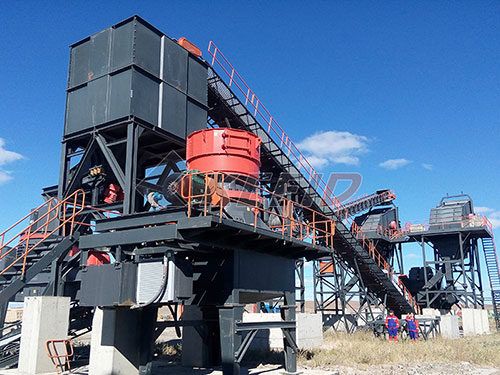
- Performance Guarantees: The supplier must guarantee throughput capacity, product size distribution, and specific energy consumption under defined conditions. Liquidated damages should be specified for failure to meet these guarantees.
- Warranty Terms: Standard warranties are 12-24 months from commissioning or 4,000-6,000 operating hours, whichever comes first. Ensure the warranty covers defects in materials and workmanship, not just parts.
- Spare Parts Commitment: The supplier should commit to supplying spare parts for a minimum of 10-15 years after the model is discontinued.
- Payment Terms: Typical terms are 30% down payment, 40% on shipment, 20% on delivery, and 10% after successful commissioning and performance testing. Avoid paying 100% upfront.
- Force Majeure and Dispute Resolution: Define the governing law and arbitration process. International contracts often use ICC (International Chamber of Commerce) rules.
6. Post-Procurement: Installation, Commissioning, and Training
The procurement process does not end with the signing of the contract. A successful outcome requires:
- Site Preparation: Civil engineering works, foundation design, and electrical infrastructure must be completed before the crusher arrives.
- Installation Supervision: The supplier should provide a qualified engineer to supervise installation and alignment.
- Commissioning and Performance Testing: A formal test run under load, measuring throughput, power draw, and product gradation. The crusher should be accepted only after all performance guarantees are met.
- Operator and Maintenance Training: Comprehensive training on safe operation, routine maintenance, and troubleshooting. This should include both classroom and hands-on sessions.
7. Emerging Trends and Future Considerations
The stone crushing industry is evolving. Procurement professionals should be aware of:
- Mobile vs. Stationary: Mobile crushers (track-mounted or wheeled) offer flexibility and reduced civil works but often have higher cost per ton and lower throughput than stationary plants.
- Digitalization and IoT: Crushers with built-in sensors, remote monitoring, and predictive maintenance algorithms are becoming standard. These systems can reduce downtime by 20-30%.
- Sustainability: Increasingly, regulators require dust suppression systems, noise enclosures, and water recycling. Procurement should include these environmental controls.
- Alternative Materials: The rise of recycled aggregates and manufactured sand is driving demand for VSI crushers and specialized screening equipment.
Conclusion
Bulk stone crusher machine procurement is a complex, multi-faceted process that demands technical expertise, financial acumen, and strategic foresight. The key to success lies in moving beyond the initial purchase price and focusing on total cost of ownership, supplier reliability, and performance guarantees. By thoroughly evaluating the type of crusher, its technical specifications, the supplier’s capabilities, and the contractual terms, procurement professionals can secure machinery that delivers consistent, high-quality output for decades. In an industry where downtime is measured in lost revenue, a well-procured crusher is not just a machine—it is the foundation of a profitable operation.
