
The global trade in bulk limestone is a monumental, yet often overlooked, pillar of modern civilization. Bulk limestone mining exporters are the critical intermediaries in a supply chain that transforms ancient seabeds into the fundamental building blocks of infrastructure, industry, and agriculture worldwide. These entities operate at the intersection of geology, heavy industry, logistics, and international commerce, managing the extraction, processing, and shipment of millions of metric tons of this essential sedimentary rock annually. This article provides a comprehensive examination of their role, operational complexities, market dynamics, and the challenges shaping this vital sector.
Bulk limestone exporters do not deal in a single commodity. The term “limestone” encompasses a range of products with specific chemical (high calcium carbonate content) and physical properties tailored to diverse applications. Exporters typically categorize and market their output based on size, processing, and end-use:
The specific deposit’s geology dictates its suitability for these applications. Exporters must therefore have extensive geological expertise to characterize their reserves and target the most lucrative market segments.
The business of bulk limestone exporting is capital-intensive and logistically intricate. It involves a seamless integration of several stages:
A. Exploration & Quarrying:
Exporters begin with securing mineral rights over proven reserves. Modern quarrying employs advanced techniques like geological modeling and precision drilling. Extraction is typically done via bench mining—blasting or mechanical excavation using large-scale equipment like hydraulic shovels, wheel loaders, and dump trucks capable of handling hundreds of tons per hour.
B. Processing & Beneficiation:
Run-of-mine limestone must be processed to meet specifications:
Processing plants are often located near the quarry pit to minimize transport costs before sorting.
C. Quality Control & Stockpiling:
Rigorous quality control is non-negotiable. On-site laboratories constantly test samples for chemical composition (CaCO3%, MgO%, SiO2%), physical properties (hardness, abrasion loss), size distribution (gradation), and brightness (for filler grades). Accepted material is stockpiled by grade in massive storage yards.
D. Logistics & Shipping – The Core Challenge:
This is where “bulk” truly defines the business. Moving thousands of tons from an inland quarry to an international buyer requires a formidable logistics chain:
The efficiency—and cost—of this logistics chain is a primary competitive differentiator among exporters.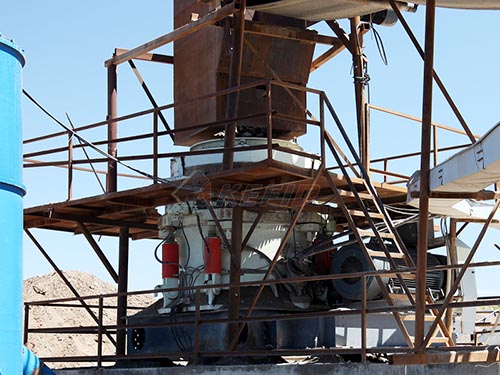
The global demand for bulk limestone is driven by infrastructure development (especially in Asia-Pacific), steel production volumes cement consumption growth particularly across emerging economies agricultural needs worldwide
Major exporting regions include:
Key players range from diversified multinational mining giants like Lhoist Carmeuse Omya Imerys which focus higher-value industrial lime GCC products large regional specialists dedicated bulk aggregate exporters Many national companies state-backed entities also play major roles especially Gulf North Africa
Pricing determined factors purity grade freight costs distance loading port destination port volume contract Typically traded Free Carrier FCA Free On Board FOB Incoterms rarely Cost Insurance Freight CIF given buyer often controls shipping Large long-term supply agreements common between established exporters major industrial consumers cement steel plants
Modern bulk limestone mining exporters face multifaceted pressures beyond simple extraction selling
Environmental Social Governance ESG Compliance Public scrutiny regulatory demands around quarry rehabilitation biodiversity dust noise water management intense Leading operators now implement biodiversity management plans progressive rehabilitation concurrent mining employ extensive dust suppression systems water recycling facilities Community relations crucial securing social license operate
Carbon Footprint Logistics Emissions Scope 1 2 emissions from diesel-powered mining equipment electricity processing significant However largest portion carbon footprint often comes downstream use product particularly cement manufacturing approximately 8% global CO2 emissions Consequently sector under pressure innovate decarbonize pathways include adoption electric hybrid vehicles onsite renewable power carbon capture utilization storage CCUS technologies developing alternative low-carbon cements
Geopolitical Logistical Volatility Port congestion fluctuating freight rates fuel costs trade tariffs political instability key shipping corridors like Suez Canal Red Sea directly impact profitability supply reliability Exporters must build robust risk management strategies diversify client base logistical options
Competition Substitute Materials In some applications substitutes exist steelmaking can use dolomite alternative fluxes construction recycled concrete aggregate crushed granite compete aggregates However limestones unique combination abundance workability chemical properties ensures continued dominance many core industries
Future successful bulk limestone exporter will not merely commodity supplier but integrated solutions provider Trends shaping future include:
Value Chain Integration Forward integration value-added products precipitated calcium carbonate PCC quicklime hydrated lime allows capture higher margins greater customer stickiness
Digitalization Automation Adoption Internet Things IoT sensors autonomous haul trucks AI-powered optimization processing logistics predictive maintenance enhance safety efficiency data transparency clients
Circular Economy Initiatives Participating circular construction economy recycling concrete using limestone filler recovered materials reducing overall virgin aggregate demand exploring industrial symbiosis using waste streams other industries inputs vice versa
Green Certification Development industry-wide standards low-carbon verified responsible sourced limestone meeting demands environmentally conscious buyers investors governments
In conclusion bulk limestone mining exporters constitute indispensable link global industrial ecosystem Their operations fueled relentless demand basic materials underpinning urban development food production environmental protection While facing significant environmental economic headwinds sector evolution towards greater efficiency sustainability technological integration ensure continued relevance coming decades ability navigate complex interplay geology logistics international trade will remain defining feature successful enterprises field
Lorem ipsum dolor sit amet, consectetur adipisicing elit. Consectetur sequi saepe ut sunt eveniet perferendis excepturi, iste obcaecati. Qui tempore hic sed quia soluta obcaecati vel.