
The global steel industry, a fundamental pillar of modern infrastructure and manufacturing, rests upon a continuous and massive supply of iron ore. Before this raw material can be smelted into iron and steel, it must undergo a critical transformation: size reduction and preparation. This is the domain of bulk iron ore crushing plants—complex, heavy-duty industrial facilities designed to process thousands of tons of raw ore per hour. The entities that bring these colossal systems to life are the Bulk Iron Ore Crushing Plant Fabricators. These specialized engineering and manufacturing firms are the unsung architects of mineral processing, combining advanced metallurgy, mechanical engineering, structural design, and project management to create the robust heart of any mining operation.
The primary objective of a crushing plant is to reduce the size of run-of-mine (ROM) iron ore, which can consist of everything from fine dust to boulders measuring over a meter in diameter, into a consistently sized, conveyable product suitable for downstream processes like grinding (milling), beneficiation (e.g., magnetic separation), and pelletizing or sintering.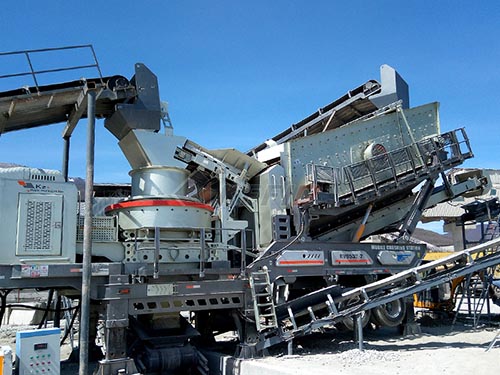
Fabricators design plants around a multi-stage crushing circuit, typically involving:
Integral to this circuit are fabricator-designed systems for screening (vibrating screens to separate sizes), material handling (heavy-duty apron feeders, belt conveyors with high-tensile strength belts), stockpiling (stackers and reclaimers), and dust suppression/control. The entire plant must be engineered for 24/7 operation under extreme conditions involving abrasive dust, heavy loads, and constant vibration.
A leading bulk iron ore plant fabricator operates across a comprehensive value chain: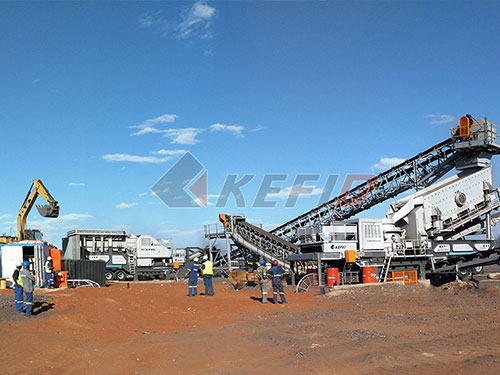
1. Conceptual & Feasibility Engineering: Working with mine owners and EPCM (Engineering, Procurement, Construction Management) contractors, fabricators contribute vital early-stage designs. They perform flow sheet development, mass balance calculations, and preliminary equipment selection to optimize capital expenditure (CAPEX) and operational expenditure (OPEX).
2. Detailed Design & Engineering: This phase involves creating precise fabrication drawings, 3D models for clash detection, foundation load analyses, chute design for optimal material flow (minimizing wear and blockages), and structural analysis for support structures that must withstand dynamic forces from crushers and thousands of tons of moving ore.
3. Proprietary Equipment Manufacturing: Top-tier fabricators often design and build their own range of critical components:
4. Procurement & Integration: They source and integrate major OEM (Original Equipment Manufacturer) machinery—such as Metso Outotec’s Nordberg® crushers or Sandvik’s mining cones—into a cohesive system. Their expertise ensures these components are correctly supported, aligned, and interfaced.
5. Fabrication & Quality Control: This is the core workshop activity. Using heavy plate rolling machines CNC cutting centers automated welding systems fabricators construct the massive structures Quality control is paramount involving non-destructive testing NDT like ultrasonic testing UT magnetic particle inspection MPI to ensure weld integrity
6. Logistics Installation & Commissioning: Managing the transport of oversized modules to often remote greenfield or brownfield sites is a logistical feat Fabricators provide supervisory crews for erection alignment mechanical completion dry testing wet testing with water followed by full load commissioning with ore
7. Lifecycle Support & Optimization: Post-commissioning services include spare parts supply wear part optimization predictive maintenance planning training programs for client personnel retrofits upgrades for capacity expansion
Fabricators distinguish themselves by solving industry-specific challenges:
The market comprises several tiers:
Market drivers include:
Bulk iron ore crushing plant fabrication continues evolve key trends shaping future:
Bulk Iron Ore Crushing Plant Fabricators are indispensable partners in the global mining value chain They translate geological resource into an engineered flowable industrial commodity Their work blends brute strength precision engineering requiring deep understanding material science mechanical forces operational logistics In an era where efficiency reliability sustainability paramount role these fabricators will only grow more critical They not only build plants they engineer foundational infrastructure that literally supports modern civilization As technology advances they continue push boundaries ensuring steady cost effective supply essential raw material world economy
Lorem ipsum dolor sit amet, consectetur adipisicing elit. Consectetur sequi saepe ut sunt eveniet perferendis excepturi, iste obcaecati. Qui tempore hic sed quia soluta obcaecati vel.