Bulk Impact Crushers: A Comprehensive Analysis of Pricing Factors and Market Dynamics
Impact crushers are indispensable workhorses in the aggregate, mining, and recycling industries, prized for their ability to produce a well-shaped, cubical product through high-speed impact forces. When procuring these machines in bulk—whether for a large-scale project, a multi-site operation, or as a distributor—understanding the pricing landscape becomes a complex but critical endeavor. The price of a bulk purchase of impact crushers is not a simple figure but a multivariate equation influenced by technical specifications, market forces, supply chain logistics, and strategic purchasing models.
I. Core Determinants of Impact Crusher Pricing
The foundational cost of a single unit sets the stage for any bulk pricing discussion. These core determinants remain pivotal: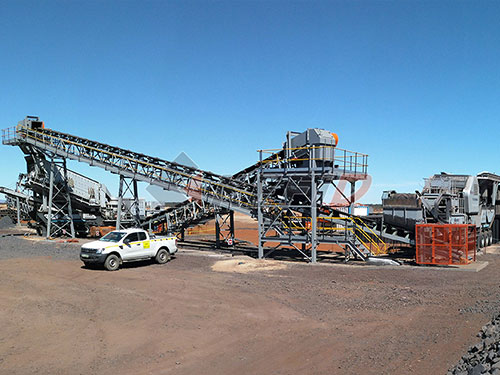
-
Machine Type & Configuration:
- Horizontal Shaft Impactors (HSI): Typically more affordable upfront than VSIs. Prices vary significantly based on whether they are primary (for softer materials like limestone) or secondary/tertiary models with more robust designs.
- Vertical Shaft Impactors (VSI): Command a premium due to their complex rotor and cascade feed system designed for superior cubical shaping and sand production. Their ability to handle highly abrasive materials often necessitates more expensive wear components.
- Mobile Track-Mounted vs. Stationary: A mobile impact crusher with its integrated feeder, screen, and conveyor system is essentially a complete processing plant on tracks. Consequently, a bulk order of mobile units can be 2 to 4 times more expensive per unit than their stationary counterparts, which require separate support structures and material handling systems.
-
Capacity and Size: Engine power (kW/HP), rotor diameter/width, and feed opening size directly correlate with price. A bulk order for high-capacity crushers (e.g., 500+ TPH) involves substantially more raw material (high-grade steel), larger bearings, and more powerful drives than an order for mid-range models.
-
Component Quality and Technology:
- Wear Parts: The metallurgy of blow bars (hammers) and impact plates is a major cost driver. Standard manganese steel is less expensive than ceramic composites or ultra-high-chrome alloys designed for extreme abrasion resistance.
- Rotor Design: A solid monolithic rotor offers durability but at a higher weight and cost compared to segmented or open rotors. The rotor’s design directly impacts serviceability and longevity.
- Automation & Control Systems: Modern crushers with advanced programmable logic controllers (PLCs), automatic gap adjustment, real-time condition monitoring (vibration sensors, temperature probes), and remote telematics add 15-30% to the base machine cost but offer immense value in optimized performance and reduced downtime.
II. The Bulk Purchase Premium: Discounts and Their Limits
The central premise of bulk buying is economies of scale. However, discounts are not automatic nor linear.
- Volume Discount Tiers: Manufacturers often establish price breaks at specific quantity thresholds (e.g., 3-5 units, 10+ units). The discount might range from 5% for a small multi-unit order to 15-20% or more for a very large fleet purchase.
- Standardization is Key: The highest discounts are reserved for orders of identical or highly standardized models. Customizing each machine in the bulk order—different motors, optional extras, specific wear part alloys—erodes these savings rapidly as it disrupts streamlined production.
- Spare Parts Packages: A significant aspect of bulk negotiation often includes discounted comprehensive spare parts kits (blow bar sets, liner plates, bearings). Bundling machines with a multi-year inventory of wear parts can create substantial long-term value beyond the initial machine discount.
III. Market Forces Influencing Bulk Pricing
Macroeconomic and industry-specific factors create a fluctuating pricing baseline:
- Raw Material Costs: The price of steel (plate, castings), copper (for motors/wiring), and specialized alloys is highly volatile. A surge in global steel prices will inevitably be reflected in new equipment quotes.
- Global Supply Chain Health: Logistics costs (container shipping, freight), component availability (bearings, hydraulic parts, semiconductors for controls), and manufacturing lead times all factor into pricing. Post-pandemic bottlenecks demonstrated how extended lead times could effectively raise costs.
- Competitive Landscape: The market is dominated by global giants (Metso Outotec, Sandvik, Terex) and strong regional players (Eagle Crusher, Hazemag/HAZEMAG & EPR GmbH). Competition in tenders for large projects can lead to aggressive bidding and better pricing for the buyer.
- Regional Variations: Prices differ by region due to import duties/tariffs, local manufacturing presence, shipping distances from production hubs (Europe, North America, China), and varying regulatory standards.
IV. Strategic Procurement Models Beyond Simple Purchase
Bulk acquisition today encompasses flexible financial models that affect the total cost of ownership:
- Direct Capital Purchase: Involves the highest upfront capital outlay but offers full ownership asset depreciation benefits.
- High-Volume Leasing/Fleet Programs: For large corporations or rental houses spreading capital expenditure leasing provides predictable monthly costs preserves liquidity Manufacturers may offer attractive fleet rates
- Project-Specific Financing: For mega-projects mines manufacturers or their financial arms often structure tailored payment plans linked to project milestones
- Used Fleet Acquisition Purchasing a bulk lot of well-maintained late-model used impact crushers from an auction or contractor can reduce initial cost by % However this introduces variability in condition age technology standardization
V Hidden Costs Considerations in Bulk Procurement
A savvy buyer must look beyond the invoice price
1 Logistics Transporting multiple heavy machines from factory to site requires specialized planning High-capacity mobile plants may need disassembly adding cost
2 Commissioning Training Sending technicians to commission multiple units across different sites incurs travel labor expenses Operator maintenance training programs are essential for fleet efficiency
3 After-Sales Support Structure Negotiating service level agreements SLAs parts stocking at local dealer centers response times becomes part of the overall value proposition A lower-priced bid with poor support can be far more expensive long-term
VI Price Range Estimates Contextualizing the Market
Providing exact figures is impractical due to aforementioned variables but indicative ranges per unit as illustrate scale
- Small to Mid-Range Stationary HSI Unit TPH ~ $
- Large High-Capacity Stationary HSI VSI Unit + TPH $ million+
- Medium Sized Track-Mounted Mobile Impact Crusher $ $
- Large High-Production Mobile Impact Crusher $ $ million+
A bulk order units could thus represent a total capital commitment ranging from several million dollars well over million depending entirely on specifications mobility required technology level
Conclusion Navigating the Bulk Purchase
Securing optimal pricing for bulk impact crushers requires strategic approach that balances technical requirements financial constraints long-term operational goals Buyers must move beyond simply asking price per machine engage manufacturers comprehensive dialogue that encompasses
1 Clear Specification Standardization Defining precise but standardized needs across fleet maximize volume discounts
2 Total Cost Ownership TCO Analysis Evaluating offers based on projected wear part consumption fuel efficiency expected uptime resale value
3 Partnership Mindset Viewing transaction as long-term partnership where reliability after-sales support technological updates hold equal weight initial discount
Ultimately investment bulk impact crushers significant undertaking where price serves entry point broader calculation value productivity reliability By thoroughly understanding intricate factors that drive costs buyers can negotiate effectively build crushing fleet that delivers not just lowest upfront cost but highest return over its entire operational lifespan
