
The efficient processing of bulk materials—from aggregates like sand, gravel, and crushed stone to mined ores, coal, and recycled concrete—forms the backbone of global infrastructure and development. At the heart of these operations lies bulk crushing and screening equipment, the mechanical workhorses that reduce raw material size and sort it into specified grades. The selection of reliable, high-performance equipment is not merely a procurement decision; it is a strategic investment that directly impacts productivity, operational costs, product quality, and long-term profitability. This article provides a detailed overview of the global landscape of bulk crushing and screening equipment suppliers, examining their market segments, technological offerings, key considerations for buyers, and prevailing industry trends.
The supplier ecosystem is diverse, ranging from multinational conglomerates to specialized regional players. They can be broadly categorized into several tiers:
1. Full-Line Global Giants: These corporations offer complete, integrated solutions covering every stage of the comminution (size reduction) and classification process. They invest heavily in R&D, maintain extensive global dealer networks, and provide comprehensive aftermarket support.
2. Major Mobile-Focused Suppliers: These companies are leaders in track-mounted or wheeled mobile plants designed for flexibility, rapid setup/teardown.
3. Strong Regional & Specialized Manufacturers: These firms often compete on value engineering deep regional expertise or niche technology.
Beyond basic machinery today’s leading suppliers differentiate themselves through integrated technology:
Choosing right supplier involves multi-faceted evaluation beyond initial capital expenditure CAPEX:
Application Material Characteristics:
Required Capacity Product Specifications:
Determine peak hourly tonnage final product gradations fines content shape requirements dictates machine size type secondary tertiary quaternary crushing stages screen deck configurations
Mobility Site Logistics:
Track-Mounted Mobile Plants: Offer ultimate flexibility moving between multiple sites processing faces within large quarry
Wheeled Portable Plants: Often simpler more cost-effective relocation semi-permanent locations
Stationary Plants: Highest potential throughput longevity large-scale permanent installations require solid foundation planning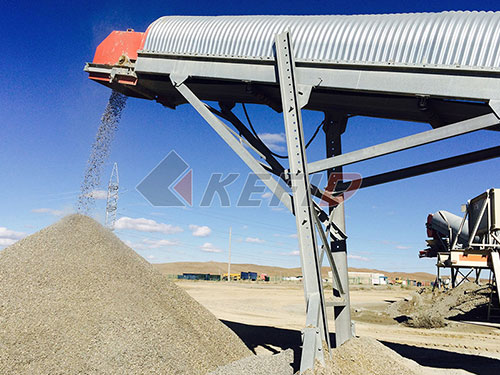
Total Cost Ownership TCO Analysis:
Evaluate not just purchase price but long-term costs: energy consumption per ton wear parts cost availability expected maintenance labor requirements predicted lifespan resale value
After-Sales Support Parts Availability:
Arguably most critical factor Global suppliers offer extensive dealer networks local parts warehouses Others may rely slower international shipments Downtime costs thousands dollars per hour making responsive reliable technical service paramount Investigate supplier’s service reputation spare parts inventory levels training programs
Sustainability Environmental Compliance:
Modern operations must consider dust suppression noise reduction water recycling systems emission controls Tier 4 Final diesel engines electric drive options Suppliers now provide comprehensive environmental packages help quarries mines meet regulatory social responsibility goals
Suppliers innovate response evolving market demands:
Digitalization Internet Things IoT:
Equipment increasingly connected Cloud platforms enabling fleet-wide performance benchmarking predictive analytics digital twins simulate optimize processes before physical changes made Data becoming valuable asset optimizing entire supply chain
Circular Economy Recycling:
Surging demand recycled construction demolition C&D waste processing equipment Robust feeders prescreens magnetic separators wind sifters remove contaminants Crushers specifically designed handle rebar reinforced concrete asphalt shingles growing product segment many suppliers
Energy Efficiency Decarbonization:
Pressure reduce carbon footprint driving adoption hybrid drives fully electric plug-in plants renewable energy sources onsite Goal achieving lowest kilowatt-hours per ton processed major R&D focus area all leading manufacturers
Safety Operator Ergonomics:
Enhanced safety features remote-controlled rockbreaker systems automated clearing jammed crushers walkways guardrails improving operator safety reducing exposure hazardous tasks enclosed control cabins positive air filtration becoming standard
Automation Towards Autonomy:
Beyond basic process control industry moving towards semi-autonomous fully autonomous crushing circuits using artificial intelligence AI machine learning dynamically adjust parameters changing feed conditions ultimately aim lights-out operation certain scenarios
Selecting supplier bulk crushing screening equipment transcends simple vendor selection It establishing long-term strategic partnership The ideal supplier acts as collaborative advisor offering deep application expertise innovative technological solutions unwavering lifecycle support While global giants provide one-stop-shop integrated solutions specialized manufacturers offer best-in-class niche technologies Ultimately successful choice hinges meticulous analysis specific operational needs thorough due diligence on total cost ownership commitment after-sales service As industry continues evolve towards greater digitalization sustainability flexibility relationships with forward-thinking adaptable suppliers will become even more crucial maintaining competitive edge dynamic global market for bulk materials processing
Lorem ipsum dolor sit amet, consectetur adipisicing elit. Consectetur sequi saepe ut sunt eveniet perferendis excepturi, iste obcaecati. Qui tempore hic sed quia soluta obcaecati vel.