Engineering Giants: The Makers of Bulk 500 TPH Gold Mining Washing Plants
In the high-stakes world of large-scale gold mining, efficiency, throughput, and reliability are not just desirable—they are paramount to economic viability. At the pinnacle of this operational philosophy lies the bulk 500-ton-per-hour (TPH) gold washing plant. This is not merely a piece of equipment but a complex, integrated processing system engineered to handle vast quantities of alluvial or placer material to extract fine gold and other heavy minerals. The entities capable of designing, manufacturing, and commissioning such behemoths are not simple equipment suppliers; they are specialized “plant makers” or engineering houses that operate at the intersection of metallurgical science, mechanical engineering, and large-scale project management.
This article delves into the world of these industrial plant makers, exploring the technical specifications, core components, design philosophies, and market dynamics that define the creation of a 500 TPH bulk gold washing plant.
Defining the Scale: What Does 500 TPH Truly Mean?
A processing rate of 500 tons per hour represents a colossal undertaking. To contextualize:
- Volume: 500 TPH equates to processing approximately 12,000 tons of material in a single 24-hour operational shift. Over a month, this can amount to over 300,000 tons of gravel, clay, and sand.
- Feed Material: Plants of this scale are almost exclusively used for alluvial or eluvial deposits—gold-bearing gravels found in riverbeds, flood plains, and ancient river channels. These deposits are typically unconsolidated and require minimal crushing, making them suitable for high-volume washing and screening.
- Economic Imperative: The capital expenditure (CAPEX) for a 500 TPH plant is significant, often running into millions of dollars. Therefore, they are deployed only in deposits with proven substantial reserves that can support years of continuous operation to ensure a return on investment.
The “washing” aspect is crucial. It involves breaking down clays, scrubbing gravels, and separating valuable heavy minerals (like gold) from the vast bulk of worthless lightweight sand and gravel.
The Core Components of a 500 TPH Washing Plant
A maker does not simply bolt together off-the-shelf components. They design a synergistic system where each unit operation plays a critical role. A typical flowsheet for a bulk 500 TPH plant includes:
1. The Feed System:
This is the entry point for the raw material. A system this size requires a massive feed hopper, often with grizzly bars to scalp out oversized rocks (>6-8 inches). This is typically fed by large front-end loaders or excavators. An apron feeder or robust vibrating feeder is installed beneath the hopper to provide a consistent, regulated flow of material onto the conveyor system—a critical factor for downstream efficiency.
2. Scrubbing & Washing Section:
The primary purpose here is to break down agglomerated clays and liberate gold particles locked within them.
- Trommel Screens: For many high-capacity plants, a large-diameter (e.g., 10-12 ft), long-length trommel is the heart of the scrubbing process. As the material tumbles inside the rotating drum, it is subjected to intense abrasion and water sprayers. The trommel also performs primary size classification; sub-½ inch or ¾ inch material falls through the screen apertures as “unders,” while oversized rocks (“overs”) are conveyed to a waste stacker.
- Scrubber Screens / Log Washers: In cases with extremely sticky clay or cemented gravels,a dedicated scrubber may be used ahead of the screening process to ensure complete disaggregation.
3. Screening and Sizing:
Following initial scrubbing in the trommel,the undersize material (the gold-bearing fraction) is further classified using vibrating screens (e.g., banana screens). These screens split the feed into different size fractions (e.g., -½” +1/8″ and -1/8″) to allow for optimized recovery in downstream circuits.
4. The Concentration Circuit:
This is where gold separation occurs.The screened material is routed to gravity concentration devices designed for high throughput.
- Primary Concentrators: For a 500 TPH plant,Jigs are often the preferred primary concentrator.Jigs pulsate water through a bed of material,causing denser gold particles to settle at the bottom while lighter material washes over the top.They are robust,efficient at handling coarse-to-medium gold,and can process high volumes with relatively low water consumption.Spiral Concentrators are another common choice,routing slurry down spiraling troughs where centrifugal force separates heavy minerals.They are excellent for recovering fine gold but require more precise feed control and can consume more space per unit.
- Secondary & Tertiary Concentration: The concentrate from jigs or spirals (which might be only 1-5% of the original feed by volume but contains most of the gold) is then further upgraded.This often involves smaller,jigging systems like Inline Pressure Jigs or more sensitive devices like centrifugal concentrators (e.g., Knelson or Falcon Concentrators).These use high G-forces to trap fine gold particles with remarkable efficiency.
5. Water & Tailings Management:
A 500 TPH plant consumes vast quantities of water—often thousands of gallons per minute.Sophisticated water recirculation systems comprising sumps,siltation ponds,and clarifiers are non-negotiable.This minimizes freshwater intake and mitigates environmental impact.Tailings (waste) management is equally critical.Long-distance stacker conveyors or slurry pumps are used to deposit processed tailings in designated areas without disrupting ongoing mining operations.
6.Power Generation & Plant Control:
Plants operating in remote locations often require their own dedicated power plants,sized at several megawatts.Modern plants are increasingly automated,fitted with PLC (Programmable Logic Controller) systems that monitor feed rates,motor loads,and water pressures,in some cases even allowing for remote monitoring and control.
The Profile of a “Plant Maker”
Given this complexity,the makerof sucha plantis typically an engineering-focused company with deep industry expertise.They fall into two broad categories:
- Specialized Mineral Processing Equipment Manufacturers: These companies have evolved from building individual components to offering complete process solutions.They possess in-house metallurgical labs for test work,pilot plants to verify flowsheets,and extensive engineering departments.Their strength lies in proprietary technology integration.
- Heavy Engineering & Fabrication Firms: These companies excel at structural design,fabrication,and assembly.They may partner with technology providers or license designs to deliver turnkey plants.Their core competency is in robust construction,welding,and project execution on a massive scale.
Key capabilities that definea leading plant maker include: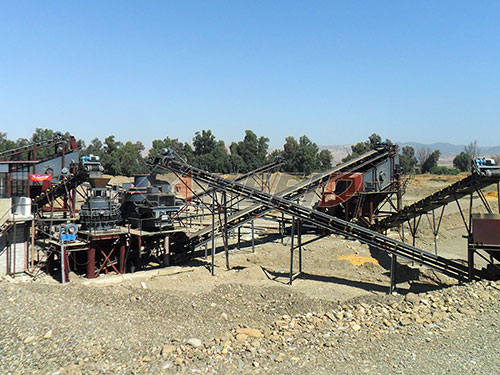
- Test Work Capabilities: The abilityto conduct representative pilot tests on customer ore samplesis essentialto designing an effective flowsheetand guaranteeing performance.
- Modular Design Philosophy: Top makersdesign their plantsin modular sections(Feed Module,Washing Module,Recovery Module).This allowsfor easiertransportationto remote sitesand fasteron-site assembly,significantly reducing commissioning timeand costs.
- Emphasis on Robustness & Maintainability: Downtimeis catastrophicat this scale.Makersusehigh-wear-resistant steels(HARDOX),oversized bearings,and designfor easy accessfor maintenance.Component standardizationis also keyto simplifying spare parts inventory.
- Project Management Prowess: Coordinatingthe fabricationlogistics shippingand commissioningofa systemthatcanweighover1000 tonsrequiresworld-classprojectmanagement skillsoftenin challengingenvironments
Market Dynamics & Considerations
The marketforplantsatthis scaleis niche drivenby:
- Major Mining Corporations: Large cap miningcompanies developingvast alluvial deposits
- Large Contract Mining Companies: Entities contractedto mine specific areasona large scale
- Government-Backed Initiatives: In some resource rich countries governmentsmay investin such infrastructureforlarge scalemineral development
Whena miningcompany selectsamaker key decision factorsinclude:
- Proven Track Record: Referencesthatdemonstrate successful installationsat comparable scalesare critical
- Overall Recovery Efficiency: A slight percentage point improvementin gold recoverycan translate tomillionsof dollarsin additional revenue
- Operational Expenditure(OPEX): Thisincludespower consumption water usage wear part life labor requirements
- After Sales Support& Spare Parts Availability: Global service networksand rapid spare parts deliveryare vitalfor minimizing operational disruptions
Conclusion
The creationofa bulk500TPHgold washingplantrepresentsa pinnacleof mineral processing engineering Itis far morethan themanufactureof machinery itisthe integrationof complex unit operationsinto acohesive reliableandsynergistic whole drivenbythe imperativesof volumeefficiencyandeconomy Themakersonthis stagearenotmerelyvendors theyarestrategic partnersenablingtheir clientsto unlockvaluefromsomeoftheplanet’smost challengingandremotedeposits Throughtheir expertiseinmetallurgy mechanicaldesignandprojectexecution theybuildtheindustrialgiantsthatformthebackboneofmodernlarge scaleplacer mining
