The Boyd Crusher: A Cornerstone of Modern Sample Preparation in Mineral Processing and Geochemical Analysis
Introduction
In the fields of geology, mining, and industrial quality control, the integrity of analytical data is paramount. This integrity begins not in the sophisticated spectrometer or mass spectrometer, but at the very first stage of sample preparation: comminution. The process of reducing a representative bulk sample to a fine, homogeneous powder is critical for achieving accurate and reproducible analytical results. Among the various equipment designed for this purpose, the Boyd Crusher stands as a unique and highly specialized piece of technology. Unlike conventional jaw crushers designed for high-tonnage primary crushing, the Boyd Crusher is engineered for precision, cleanliness, and the elimination of cross-contamination in laboratory settings. This article provides a comprehensive examination of the Boyd Crusher, detailing its operating principle, distinctive design features, applications across various industries, and its pivotal role in ensuring data quality.
Operating Principle and Distinctive Design
The Boyd Crusher operates on a patented double-acting fine jaw crushing principle, which sets it apart from all other jaw crushers. A standard jaw crusher has one fixed jaw and one moving jaw that crushes material in a largely linear motion against the fixed plate. The Boyd Crusher revolutionizes this concept by incorporating two moving jaws.
- The Double-Action Mechanism: The machine features two manganese steel jaws. In a synchronized motion driven by an eccentric shaft and toggle plate system, both jaws move towards each other simultaneously to crush the sample placed between them. This “rock-on-rock” compressive action is far more efficient than the single-moving-jaw system.
- The “Big Boy” and “Big Boyd” Innovations: The term “Boyd Crusher” is often used generically, but it specifically refers to models that include a patented feature to handle large sample sizes directly—eliminating the need for pre-crushing with a separate coarser crusher. Standard models can accept samples up to 70mm, while specialized versions can take lumps as large as 110mm, directly reducing them to as fine as 2mm in a single pass.
- Cleanliness and Containment: A fundamental challenge in laboratory crushing is dust generation and cross-contamination from previous samples. The Boyd Crusher is designed as a fully enclosed system. The crushing chamber is sealed during operation, containing virtually all dust—a crucial feature when dealing with precious metals like gold or toxic elements like arsenic.
- Adjustable Jaw Gap: The gap between the two jaws at their closest point (the closed-side setting) is easily adjustable via a handwheel. This allows operators to precisely control the final product size (P80), typically ranging from <2mm to 6mm or more, depending on the model and feed size.
This combination of dual-acting jaws for efficient crushing and an enclosed design for cleanliness makes the Boyd Crusher an indispensable tool in any modern laboratory where sample integrity is non-negotiable.
Key Applications Across Industries
The unique capabilities of the Boyd Crusher make it suitable for a wide array of applications where representative sampling is critical.
-
Mineral Exploration and Mining: This is the primary domain of the Boyd Crusher.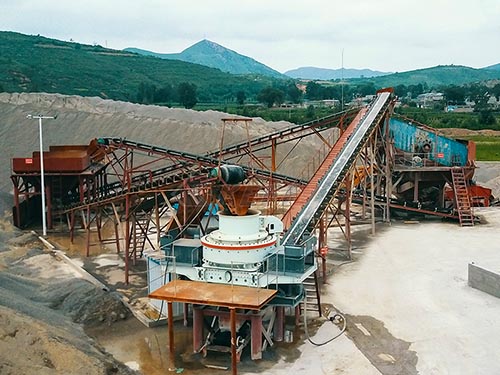
- Gold Analysis (Au Assaying): In gold exploration, the “nugget effect”—where coarse gold particles are unevenly distributed—is a major challenge. The Boyd Crusher’s ability to take a large sample (e.g., an entire quartered core or a large chip sample) and reduce it to a fine homogenate ensures that any gold nuggets are effectively broken down and distributed throughout the sample pulp before fire assaying.
- Base Metal and Bulk Commodities: For elements like copper, zinc, nickel, and iron, preparing a representative sample for X-Ray Fluorescence (XRF) or Inductively Coupled Plasma (ICP) analysis requires consistent particle size. The Boyd’s adjustable gap ensures every batch is crushed to the same specification.
- Geochemical Mapping: Regional soil and rock sampling programs process thousands of samples. The speed, reliability, and low-contamination nature of the Boyd Crusher make it ideal for such high-throughput laboratories.
-
Industrial Minerals and Construction Materials: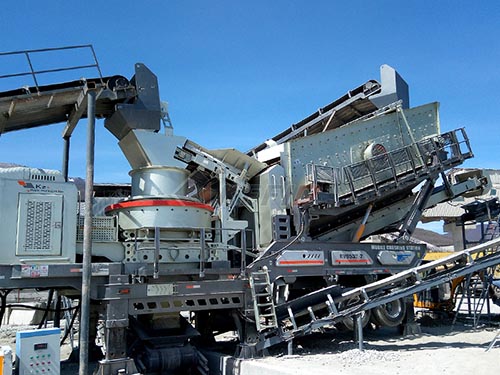
- Quality control laboratories in cement production use Boyds to crush clinker and raw meal samples for chemical analysis.
- Aggregate quarries use them to prepare rock samples for tests like Los Angeles Abrasion or soundness testing.
-
Research and Academia:
- University geology departments and government geological surveys rely on Boyds for preparing samples for academic research, mineralogical studies (e.g., using XRD – X-Ray Diffraction), and creating national geochemical databases.
-
Environmental Science:
- While less common than in mining labs, Boyds can be used to crush solidified waste forms or contaminated soil cores to prepare them for leachability testing (e.g., TCLP) or total elemental analysis.
Advantages Over Alternative Comminution Methods
To fully appreciate the value proposition of the Boyd Crusher, it is useful to compare it with other common laboratory crushing methods:
- vs. Traditional Jaw Crushers: Standard lab jaw crushers have one moving jaw, are often not fully enclosed (leading to dust loss), cannot handle large lump sizes without pre-crushing (a potential source of error), are prone to wear on only one jaw set leading to biasing sizing distribution over time.
- vs. Hammer Mills: Hammer mills use impact rather than compression.They are generally faster but generate significantly more heat and dust (“fines”), which can lead to moisture loss (affecting certain analyses)and contamination.They also tend to be less effective on hard,-abrasive materials comparedto compression-based crushers like Boyds.
- vs.Roll Crushers: Roll crushers are goodfor producinga uniform product with minimal fines but struggle with feed materials that have varying hardnessor contain clayey materialsthat can cause clogging.They also cannot acceptthe large initial feed size thata Boydis capableof handling directly.
The primary advantagesof Boydcrusherare therefore:
- Minimal Cross-Contamination: Enclosed design protects both operatorand sample integrity across batches.
- No Lossof Fines/Dust: Ensures all valuableor hazardousmaterialis retainedwithinthe crushedproductfora truly representativeanalysis.Thisis criticalforpreciousmetalandtraceelementworkwherethe analyte maybe concentratedinthe fines fraction.
- Eliminationof Pre-CrushingStage (“Two-StageCrushing”): Its abilityto takeverylarge lumpsdirectlyintoafineproductstreamlines workflow,saves time,and reducespotentialerrorsintroducedby multiplehandlingstepsbetweencrushingstages.Thisis arguablyits mostsignificantoperationaladvantageinaminingscenario wherecoreorRCchipscanbe quite largeinitiallybeforepulverizationintoanalyticalpulpformatslike-75micron(-200mesh).
- Durability& LowMaintenance: Constructedfromrobuststeelswithhardenedmanganesesteeljawplatesdesignedforlongservice lifeevenunderhighlyabrasiveconditionscommoninminingenvironments.Thesimplemechanicaldriveviaelectricmotoriseasilyservicedcomparedtomorecomplexsystemslikehydraulicsetc…
Considerationsand Limitations
While highly effective,the Boydcrusheradoes havesomelimitationswhichmustbe consideredduringlaboratoryplanning:
- ThroughputSpeed vs.Mills: While fastforits typeofcrushingaction(compression),itis slowerthanahigh-speedhammer mill whenprocessingsoftermaterialsduetoits cyclicalnature(i.e.,batchprocessingversuscontinuousfeed).
- Noise& Vibration: Likeall mechanicaljawcrushers,theymakemeasurablenoiseand vibrationduringoperationrequiringproperplacementonastablesurfacepossiblywithdampeningfeetifnoiseis anissuewithinlabspaceetc…
- PowerRequirements& Size/Footprint : Theyrequireathree-phaseelectricalsupplyformostmodelswhichmaynotbe availableinsmallerfieldcampsorremotelocationswithoutgeneratorsupport.Theyalsooccupy morespacecomparedtosmallerdiscpulverizersetc…
- InitialCapitalCost:Theengineeringprecisionandrobustconstructioncommandahigherinitialinvestmentthanbasiclabjawcrushersbutthisisoftenjustifiedbythereductioninsamplingerrorandincreaseddataqualityachievedovertimeespeciallyinhigh-valueapplicationslikepreciousmetalexplorationetc…
Conclusion
TheBoydCrusherrepresentsamature,yetcontinuouslyrelevanttechnologywithinalaboratorysamplepreparationworkflow.Itspatenteddouble-actingjawdesigncombinedwithitsencloseddust-proofconstructionprovidesanunmatchedsolutionforreducinglarge,variable-geologysamplestoa consistentfineproduct suitableforall downstreamanalyticalprocessesfrompulverizationtoinstrumentalanalysis.Itsroleinmitigatingsamplingerror-particularlyforthenugget-pronegoldindustry-hasmadeitacornerstoneinstrumentinassayinglaboratoriesworldwide.Bydirectlyaddressingthecriticalneedforsampleintegrityattheinitialcomminutionstage,theBoydcrusherensuresthattheexpensivedata generatedbymodernanalyticalinstrumentsisbuiltuponafoundationoftrustworthysamplepreparation,makingitanessentialinvestmentforanyseriousgeochemicalorminerallaboratorycommittedtoproducingaccurateandreproducibleresults
