
The global steel and metal production industry generates vast quantities of slag as a by-product. Once considered mere waste, this material is now recognized as a valuable resource for construction aggregates, cement additives, road base materials, and even fertilizer components. Processing this heterogeneous and often abrasive material efficiently requires specialized equipment: the bespoke slag crusher plant. For companies operating in regions without a strong domestic heavy machinery manufacturing base, the role of a Bespoke Slag Crusher Plant Importer becomes critical. This entity is not merely a transactional buyer but a strategic partner bridging technological innovation with local industrial needs, ensuring that processing facilities are not just equipped, but optimally engineered for specific operational challenges.
Slag is not a uniform material. Its characteristics—such as hardness, abrasiveness, composition (blast furnace slag, steel slag, ferroalloy slag), lump size, and moisture content—vary dramatically based on the source industry, furnace type, and cooling process (air-cooled, granulated). A standard, off-the-shelf crushing plant designed for limestone or granite will quickly succumb to excessive wear, clogging, and inefficient operation when faced with steel slag.
A bespoke plant is engineered from the ground up to address these specific parameters:
This level of customization necessitates deep technical dialogue between the end-user and the manufacturer—a process facilitated and managed by the proficient importer.
A sophisticated importer in this niche operates as a hybrid consultant, project manager, logistics expert, and after-sales facilitator. Their value chain extends far beyond placing an order.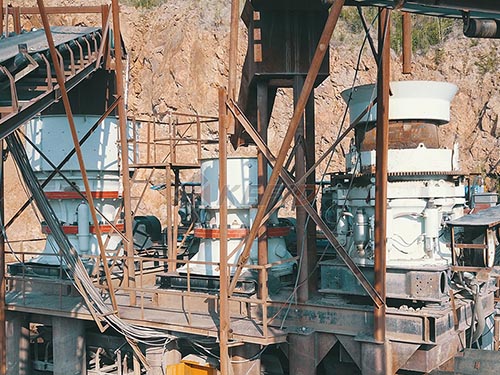
1. Technical Specification & Partner Sourcing:
The importer’s first task is to translate the client’s raw material analysis and production goals into a comprehensive technical specification document. This requires in-house engineering expertise or close collaboration with independent consultants. With specs in hand, the importer identifies suitable manufacturers globally—often in China (offering cost-effective solutions), Germany (premium engineering), Italy (specialized designs), or Turkey (regional expertise). They pre-qualify manufacturers based on proven references in slag processing, quality control certifications (ISO, CE), and financial stability.
2. Commercial Negotiation & Contract Management:
Navigating international trade terms (Incoterms like FOB, CIF), payment structures (letters of credit, advance payments), and contract law nuances is a core competency. The importer secures not just competitive pricing but favorable terms regarding warranty (often 12-24 months on major components), performance guarantees (throughput tonnage, product gradation), and penalties for non-compliance.
3. Logistics & Regulatory Compliance:
Importing multi-ton machinery involves complex logistics. The importer manages:
4. Installation Supervision & Commissioning Support:
The best-designed plant fails without proper installation. Reputable importers coordinate with the manufacturer to dispatch erection engineers to supervise local contractors during assembly foundation work mechanical alignment electrical connection They oversee the commissioning phase where the plant is tested with actual slag to verify it meets all performance guarantees
5. After-Sales Support & Lifecycle Management
The relationship extends post-commissioning The importer ensures access to
Given the capital intensity often exceeding several million dollars due diligence is paramount
1 Proven Track Record Request detailed case studies contactable references from previous slag plant projects
2 In-House Technical Capability Assess their engineering staff ability to understand flow sheets power requirements particle size distribution curves
3 Financial Health Ensure they have sufficient capital to handle large transactions without jeopardizing cash flow
4 Transparency in Supply Chain The importer should disclose manufacturing partners allowing clients to conduct background checks
5 Long-Term Partnership Ethos Look for organizations invested in lifecycle support rather than one-off transactions
The path is fraught with challenges that demand proactive management
The role of bespoke slag crusher plant importers is evolving alongside industry trends Sustainability mandates are driving demand for plants with higher energy efficiency lower noise emissions closed-loop water systems Digitalization sees importers now sourcing plants pre-equipped with IoT sensors predictive maintenance software offering remote monitoring capabilities The circular economy push turning waste into profit ensures robust demand making skilled importers vital enablers of global industrial sustainability efforts
In essence a Bespoke Slag Crusher Plant Importer serves as the critical nexus transforming capital into optimized productive capacity They de-risk complex international procurement projects inject localized expertise into global engineering solutions ensure long-term operational viability For any enterprise seeking to valorize slag into a revenue stream selecting an importer with deep technical commercial logistical acumen is arguably as consequential as selecting the machinery itself It is partnership defined not by mere purchase but by shared commitment to operational excellence resource efficiency enduring industrial productivity
Lorem ipsum dolor sit amet, consectetur adipisicing elit. Consectetur sequi saepe ut sunt eveniet perferendis excepturi, iste obcaecati. Qui tempore hic sed quia soluta obcaecati vel.